I know custom furry slippers can look simple, but wholesale buyers often face high MOQs, many design details, and slow supplier communication when they build a private-label collection1.
I can support wholesale custom furry slippers with custom designs, embroidery logos, and customized packaging or color cards, while matching production to the buyer’s design and order quantity.
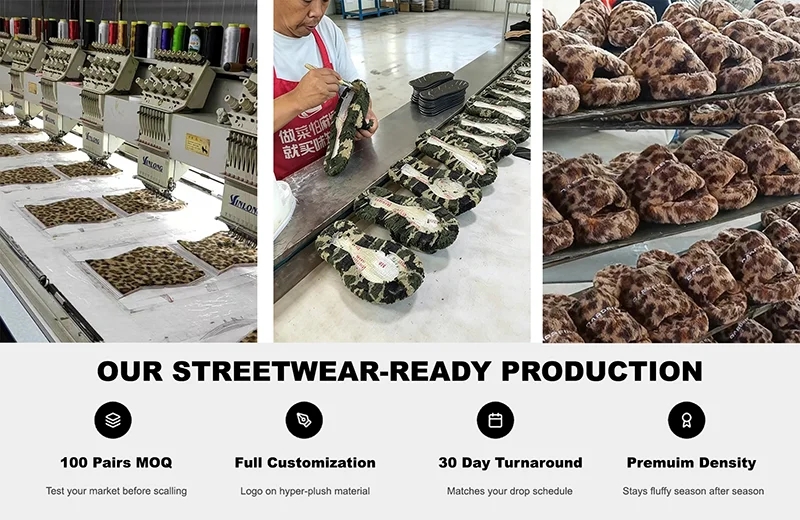
I have learned that cross-border home goods buyers usually do not need another standard slipper supplier. I need to help them turn a product idea into a workable wholesale order.
Can I Customize Furry Slippers for Different Wholesale Brands?
I have seen many buyers start with a simple product idea and then add colors, materials, logos, packaging, and other details. The product becomes harder to manage than expected.
I provide customizable furry slipper designs and custom logos for B2B wholesale buyers, and I can match production with the customer’s design requirements and order quantity.
How do I handle different custom design requirements?
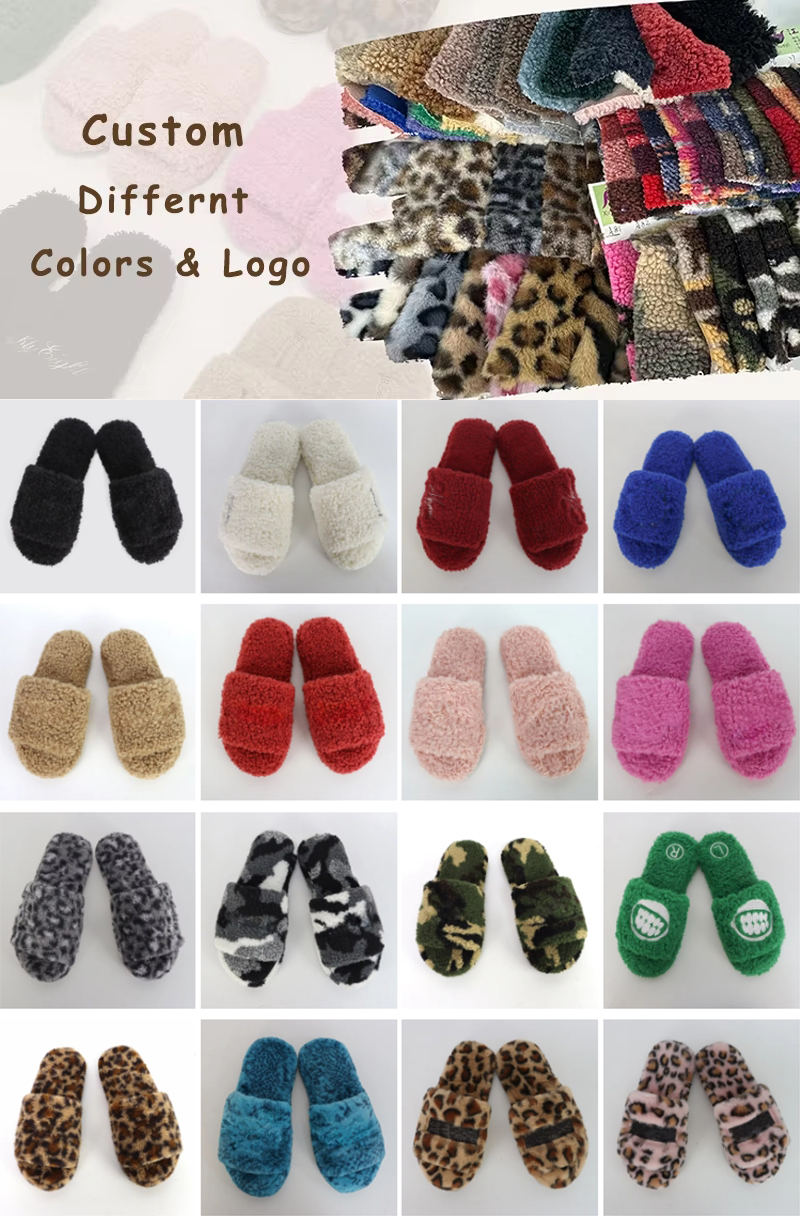
I work with customers who have different product ideas. Some buyers already have a complete design. Some buyers start with a trending style and want to add their own branding. I need to understand the design first because the production method depends on the product details and order quantity.
My company, Yangzhou JNP Imp. & Exp. Co., Ltd., works with eight long-term stable factory partners. These partners can adapt to different production processes and production lines. Some are small custom factories. Some work with brands. Some also have audit reports. This gives me more options when I need to match a customer with a suitable production partner. Our longest factory partnership has lasted 16 years.
I also understand that a small or medium brand may not want to create a completely new slipper from the beginning. A buyer may find a style that already fits the target market and then add a brand logo. This can make the process easier.
| Buyer requirement | How I approach it |
|---|---|
| Custom slipper design | I match the design with a suitable production process |
| Custom brand logo | I confirm the logo position and production details |
| Different colors | I organize color and SKU requirements before production |
| Trendy styles | I can work with trending styles and custom branding |
| Small-batch orders | I can support low MOQ for selected trending styles |
| Complex SKU requirements | I organize details and track production requirements |
My experience in cross-border e-commerce also helps me understand why buyers care about these details. I have spent 6–7 years working with cross-border e-commerce customers. During this time, I have seen that small and medium brands often need more flexibility than large traditional buyers. They may test a new design before making a larger order. They may also change the color mix based on sales data.
That is why I do not look at customization as only a logo-printing service. I see it as part of the whole wholesale process. I need to understand what the buyer wants to sell, how many variations are needed, and what production arrangement can support the order.
Can I Add an Embroidery Logo to Wholesale Furry Slippers?
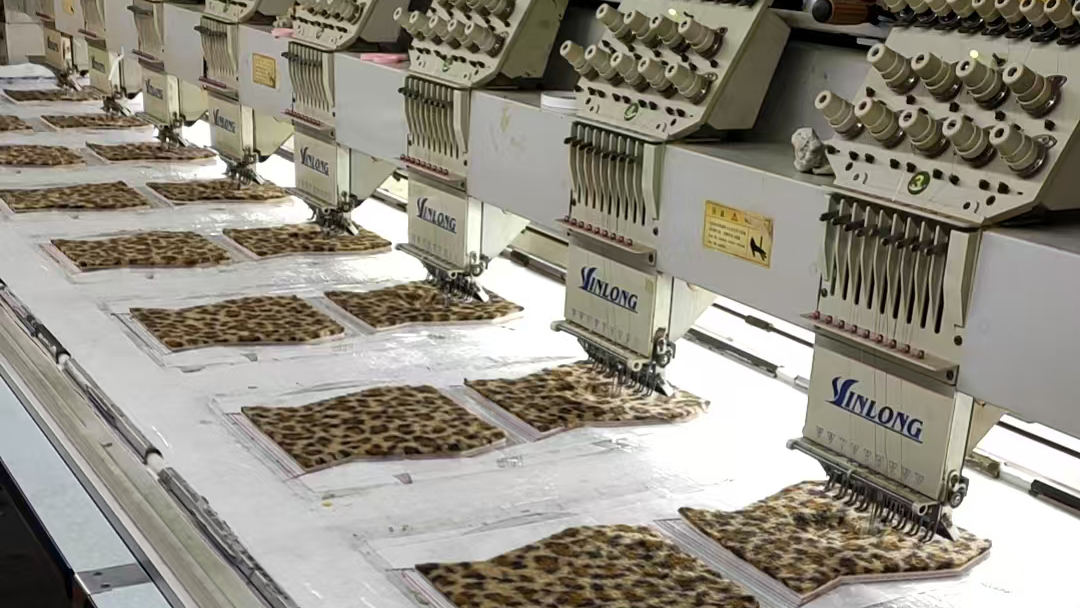
I know a custom logo can make a basic slipper feel much more like a brand product. At the same time, a logo adds another production detail that I need to confirm before manufacturing.
I can support custom logos on wholesale footwear, including furry slipper projects where the buyer wants to create a more recognizable private-label product.
Why does logo customization need careful planning?
I have worked with buyers who care about many small details. One of my typical customers is a US designer brand buyer who purchases shoes and homeware. This type of customer may have many SKUs, colors, and complex customization requirements. The buyer also needs repeated confirmation because many product details can be difficult to manage internally.
For this kind of project, I need to treat the logo as one part of the complete product specification. I need to confirm the logo design, location, size, colors, and production requirements before the order moves forward. I also need to make sure the information is clear enough for the factory to follow.
This matters because a wholesale order can include several variations at the same time. A buyer may want one slipper style in several colors. The buyer may also want different logo treatments or packaging details. If I only confirm the basic product style, I can still create mistakes later.
I therefore focus on organizing the information before production. My factory allocation system also allows me to select a suitable factory based on the customer’s design and order quantity. This is useful when a custom project needs a specific production process.
I have also found that buyers often value communication as much as the product itself. A trendy brand owner may need quick answers because product timing can affect sales. A designer brand may need more detailed confirmation because the product has many SKUs. A distributor may care more about cost, stable production, and seasonal planning.
My job is to understand these differences instead of using one process for every customer.
Can I Customize Full Color Cards for Cross-Border Home Goods?
I know packaging and product presentation can affect how a home goods product looks when it reaches the customer. A wholesale buyer may want the product to carry a clear brand identity instead of looking like a generic factory item.
I can work with buyers on customized product presentation requirements, including custom color and packaging specifications when they are part of the order.

How can customization support cross-border e-commerce?
I have spent several years working with cross-border e-commerce customers, so I understand that these buyers often work differently from traditional large-volume wholesalers. A brand may want to test a product before committing to a large quantity. It may also want a product that looks consistent with the rest of its online store.
For a cross-border home goods brand, the slipper is not always sold alone. The product can be part of a larger collection. The buyer may sell home textiles, apparel, accessories, or other lifestyle products. In this case, the slipper needs to fit the brand’s overall visual direction.
A custom color card can help the buyer communicate product colors and branding information in a more controlled way. It can also make the product feel more prepared for retail or e-commerce presentation. I need to confirm the exact artwork and production specifications with the buyer before production, because the source information I have does not define one standard full-color-card specification.
I also think this is where my organization ability becomes important. One of my typical customers is a designer brand with many styles and colors. The customer has strong design ideas but can have problems with internal communication and procurement organization. My role is to help track the production details and reduce repeated mistakes.
I can also work with logistics companies to provide door-to-door logistics services. This is useful for cross-border buyers because the product journey does not end when the factory finishes production. The goods still need to move from China to the buyer’s market.
| Cross-border buyer concern | What I can support |
|---|---|
| Brand presentation | Custom product and branding requirements |
| Product testing | Low MOQ for selected trending styles with custom branding |
| Multiple SKUs | Production detail organization |
| Overseas delivery | Door-to-door logistics through logistics partners |
| Supplier coordination | Factory allocation based on design and quantity |
I do not think every buyer needs the same level of customization. I prefer to start with the actual sales plan and product requirements. Then I can decide how to organize production.
Can I Support Small Orders for Trending Furry Slipper Styles?
I know small order quantities can be a serious problem for young brands. A brand may have a good product idea, but it may not want to purchase a large quantity before it knows whether customers will buy it.
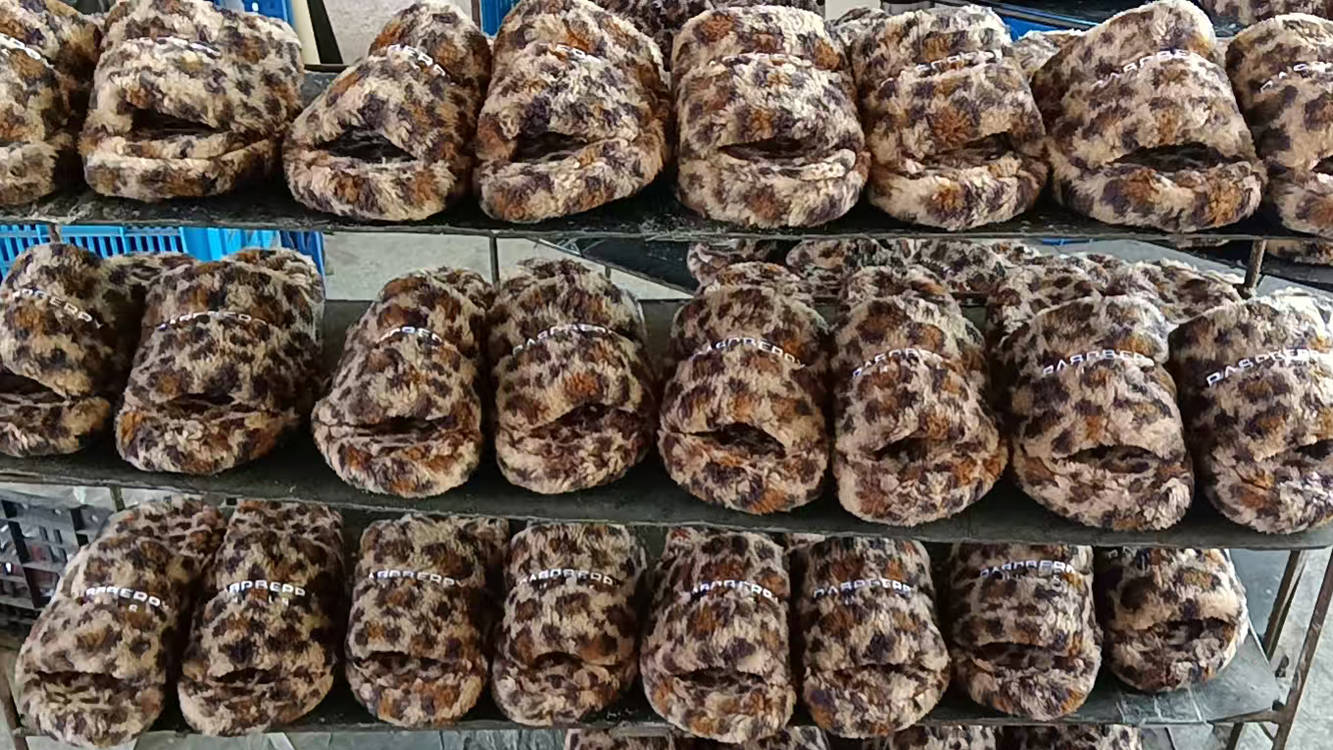
I can support low MOQ for selected trending styles with custom branding, which gives some cross-border brands more flexibility when they test new products.
Why is low MOQ useful for online brands?
I have worked with a typical customer profile that shows this problem clearly. One of my customers is a young US online trendy brand. The company focuses on products for younger buyers and looks for unique designs with custom branding. Its main problem is that many suppliers do not accept small order quantities.
For this type of buyer, a low MOQ2 can reduce the risk of testing a new style. The buyer can use sales data to understand customer demand. The buyer can then decide whether to reorder or expand the style.
I also understand why trendy brands need fast communication. A product can be attractive today and less attractive later. The buyer may need to move quickly when a style starts to gain attention. My cross-border e-commerce experience helps me understand this working pattern.
At the same time, low MOQ does not mean every design can be produced in every quantity. Production still depends on the product design, materials, customization details, and factory process. I need to check the specific order before confirming what is possible.
My factory network gives me more flexibility because I do not depend on only one production line. I work with eight long-term stable factory partners that can adapt to different production processes and lines. I allocate orders to suitable factories based on customer design and order quantity.
This approach can also help different types of buyers. A small online brand may need a small first order. A distributor may need several traditional styles with different quantities. A designer brand may need many SKUs with complex details. These projects are different, so I need to organize production differently.
I also work with materials that have eco-friendly reports and comply with testing standards. This can be useful for buyers whose product positioning includes renewable or eco-friendly materials.
My goal is not simply to offer a low MOQ number. My goal is to make the order practical for the buyer and the production side. I need to balance customization, quantity, production capability, cost, and delivery requirements.
Conclusion
I provide wholesale custom furry slippers with flexible branding, custom design support, selected low MOQ options, factory coordination, and cross-border logistics support.
Footnote
-
Private-label footwear refers to products manufactured for a buyer or brand and sold under that buyer’s own brand identity. This helps readers understand the difference between generic wholesale products and branded products made for a specific business. ↩
-
MOQ, or minimum order quantity, is the smallest quantity a supplier is willing to produce or sell for an order. Understanding MOQ helps buyers evaluate whether a supplier is suitable for product testing and smaller wholesale purchases. ↩