Retailer’s Favorite: Why Do Customizable Furry Slippers1 Outsell the Competition?
Furry slippers2 are trending, but most retailers struggle to meet consumer demands for personalization. What makes customizable furry slippers the best sellers in retail?
Customizable furry slippers1 outsell others because they combine trending styles, low minimum orders, eco-friendly materials3, and flexible branding options that attract both large brands and small retailers.

Furry slippers may seem simple, but when you add customization, you unlock a whole new sales game. Retailers like them because they can quickly adjust designs to fit fashion trends4 or seasonal themes. When your slippers match the latest looks, your sales stay strong. I’ve worked with brands that ordered one color for spring and something totally different for fall—and sold out both times.
What Makes Customizable Furry Slippers a Trend-Driven Success5?
Fashion changes fast, but retailers who can adapt stay on top. Customizable furry slippers follow the latest color palettes6 and textures, helping brands match market trends with ease.
Customizable furry slippers help retailers meet fast-changing fashion trends by offering small-batch customization, so they can update styles without wasting inventory.
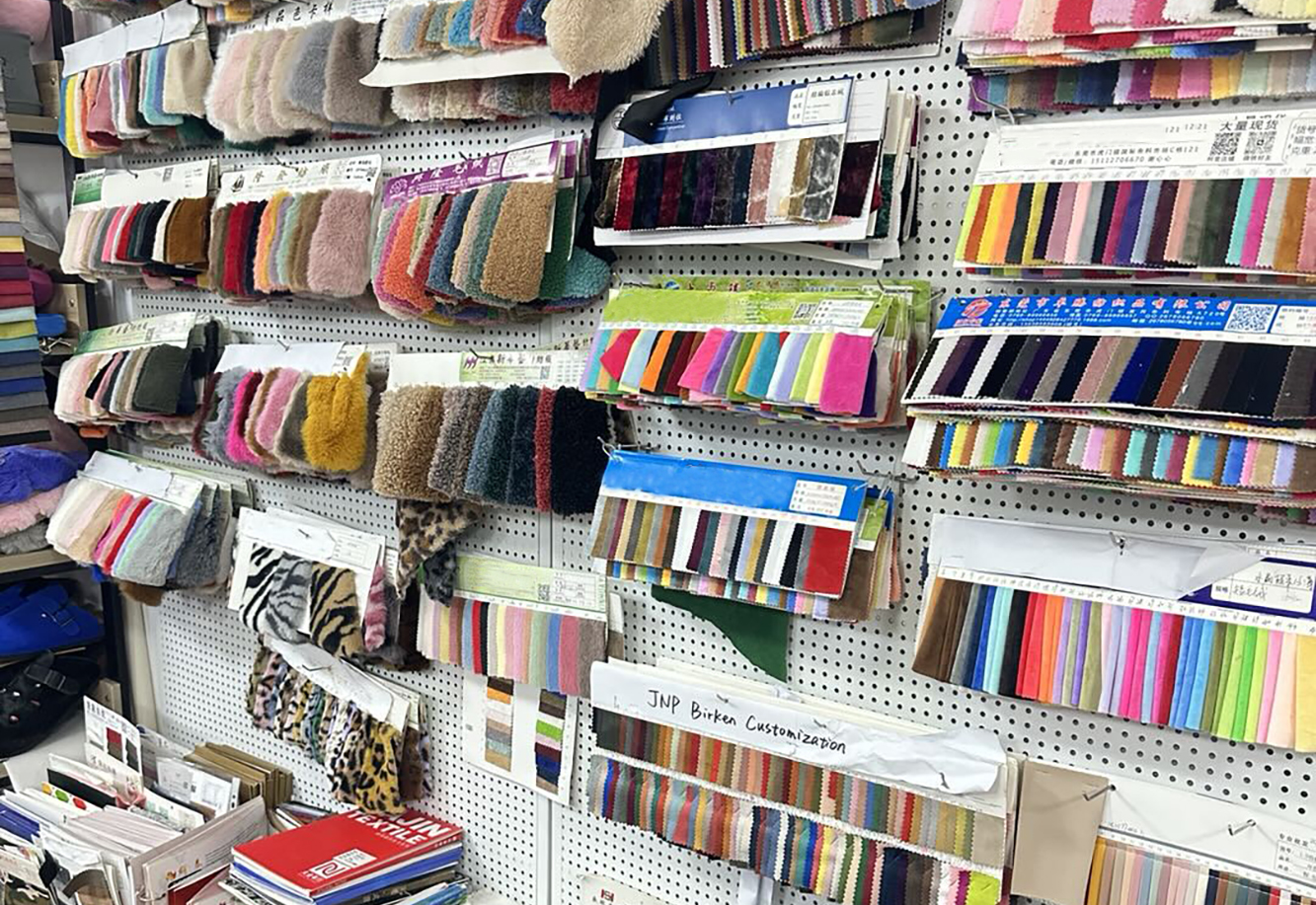
Retail buyers care about what’s trending. We help them spot color trends6, fabric upgrades, and pattern changes. By producing small batches, we let them test a new style without big risk. Here’s how it works:
How Retailers Keep Styles Fresh
| Trend Example | Customization Option | Retail Advantage |
|---|---|---|
| Pastel Spring Colors | Custom dyed fur | Seasonal product refresh |
| Animal Prints | Custom embossed logos | Fashion-focused marketing |
| Chunky Soles | New mold styles | Appeal to Gen Z buyers |
Every trend cycle, we review what’s hot and propose quick changes. Our flexible factory partners7 help us deliver.
How Do Small Order Quantities Boost Retailer Profitability8?
Retailers lose money when they overstock. Low minimum order quantities help them test products without over-committing to large inventories.
Customizable furry slippers offer low minimum order quantities, letting retailers test trends and manage inventory risk, boosting their profitability.

In my experience, small lifestyle brands struggle to meet supplier MOQs9. They need 300 pairs, not 3,000. That’s why we offer lower thresholds. Brands test styles, launch them online, and reorder only the winners. This approach improves cash flow and avoids clearance sales.
Why Low MOQ Wins
| Retailer Challenge | Solution | Result |
|---|---|---|
| New trend uncertainty | Small test orders | Confident product launches |
| Limited cash flow | Lower upfront costs | Easier financial planning |
| Niche product markets | Focused small batches | Stronger customer targeting |
This flexible order system works well for both startups and mid-size brands experimenting with new styles.
Can Eco-Friendly Materials3 Make Furry Slippers Sell Better?
Sustainability10 is no longer optional. Consumers demand eco-friendly products, and retailers must deliver.
Customizable furry slippers use renewable and compliant materials, meeting growing consumer demand for eco-conscious fashion products.
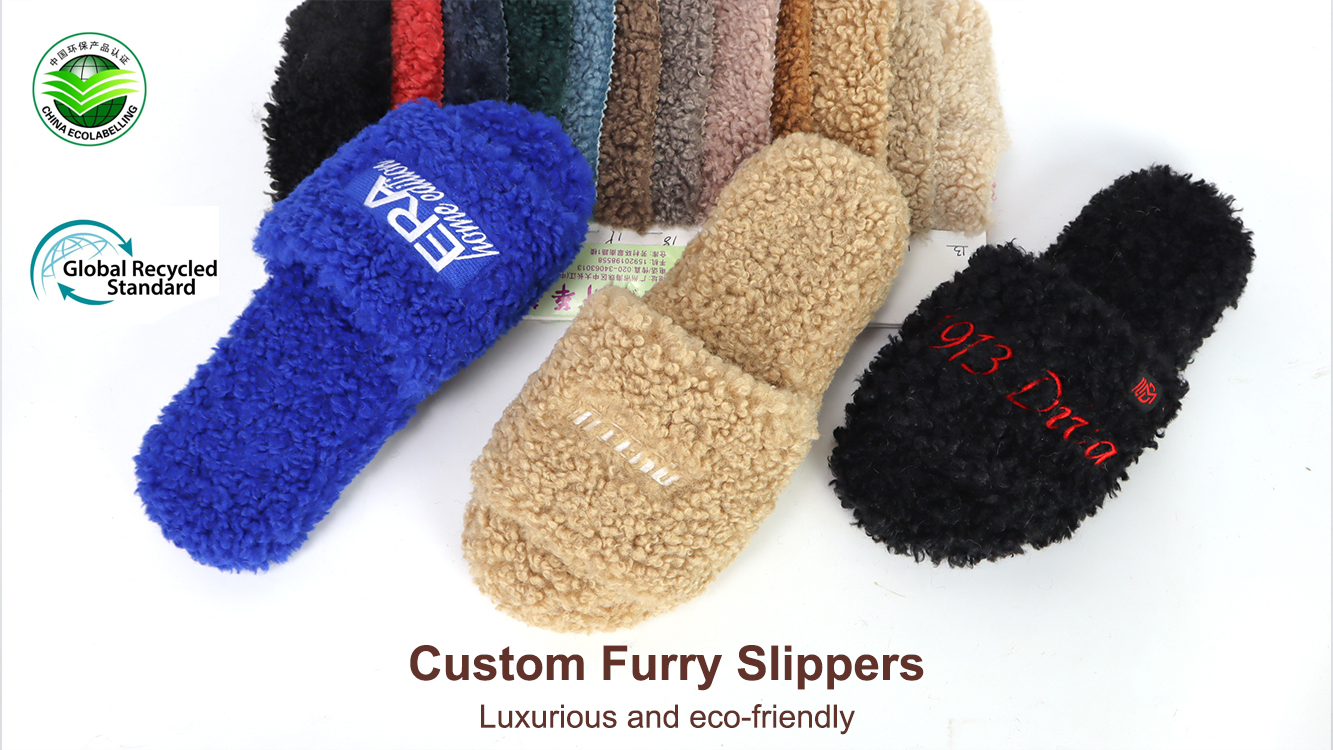
Eco certifications matter. Many of our factory partners7 use recycled or responsibly sourced materials. We also ensure compliance with EU and US safety standards11. When retailers put “eco-friendly” on their product pages, they see better engagement and conversion rates. One of my US clients even saw a 20% sales lift after switching to eco-fur linings.
The Eco-Friendly Advantage
| Sustainability Concern | Our Material Solution | Retail Impact |
|---|---|---|
| Plastic pollution | Recycled polyester fur | Appeals to eco-conscious buyers |
| Animal welfare | Vegan faux fur | Expands vegan customer base |
| Chemical safety | Tested compliant dyes | Safe for all age groups |
More retailers now ask for these eco-friendly features as part of their brand values.
Why Does Custom Branding12 Make Retailers Stick with a Supplier?
A product without a brand is easy to copy. Retailers win when their furry slippers carry their logo, making the product truly theirs.
Customizable furry slippers allow retailers to add their own logo and packaging, creating a unique branded product that stands out in the market.
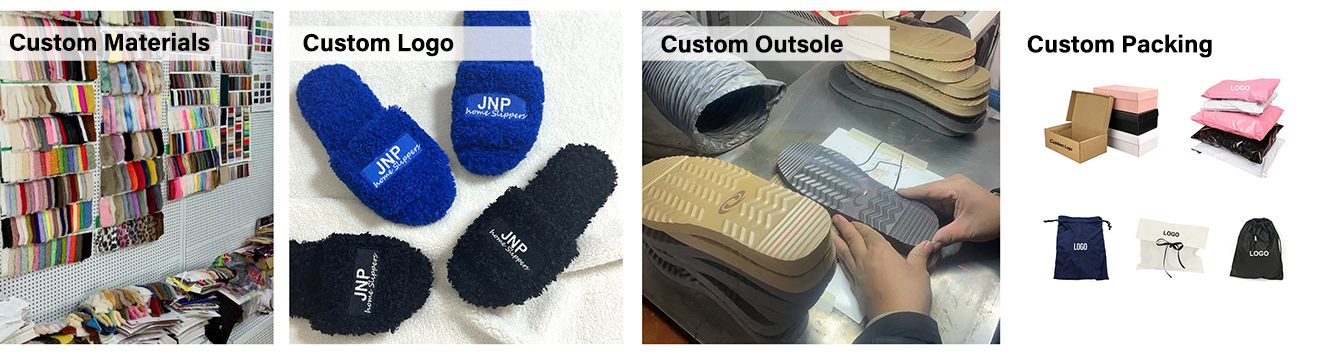
I’ve seen it again and again. Once a brand puts their logo on a slipper and sells it successfully, they rarely switch suppliers. This builds loyalty. Whether it’s embroidery, embossed soles, or custom hangtags, branding turns a generic slipper into an exclusive retail product.
Branding Options Retailers Love
| Branding Type | Example Application | Market Value |
|---|---|---|
| Embroidery | Logo on slipper front | Premium, durable branding |
| Custom sole embossing | Brand name on sole | Unique design feature |
| Custom packaging | Branded boxes & tags | Enhances unboxing experience |
These small details make a big difference on online marketplaces13 where visuals sell the product.
What Role Does Fast, Flexible Production Play in Retailer Success?
Seasonal sales windows are short. Retailers need suppliers who can move fast and adapt to order changes.
Customizable furry slippers are made in audited factories14 with flexible production processes, ensuring fast lead times and adaptable production schedules.
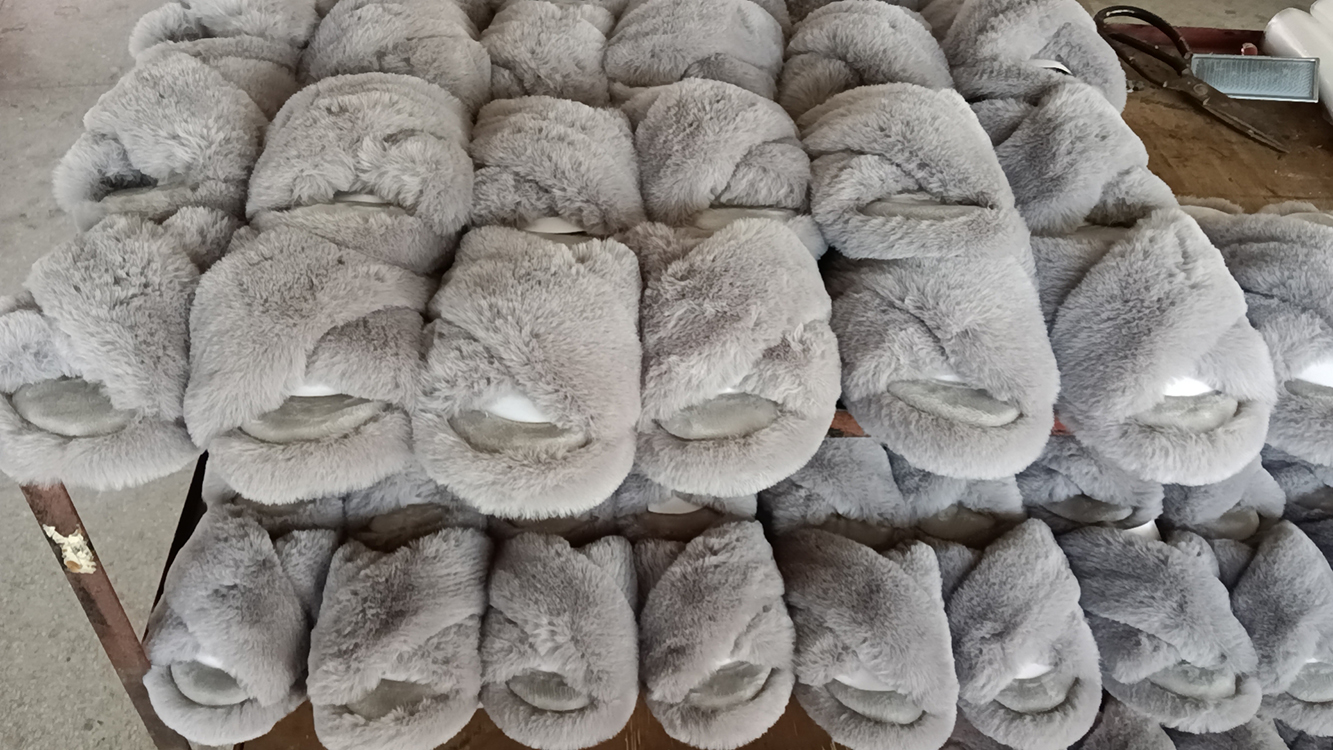
Retailers often shift orders mid-season. They need faster lead times and flexible factory processes. I work with eight factory partners who each specialize in different processes, so I can match the right factory to the product and timeline. This keeps lead times as short as three weeks for small orders and six weeks for large ones.
How Flexible Production Helps Retailers
| Retailer Need | Production Response | Outcome |
|---|---|---|
| Rush order before holidays | Priority factory allocation | Meet holiday demand |
| Design change mid-season | Rapid sample turnaround | Keep up with market shifts |
| Eco material compliance | Partner with certified mills | Meet regulatory deadlines |
This flexibility helps retailers stay competitive during fast sales cycles.
Conclusion
Customizable furry slippers succeed because they offer retailers trending designs, small orders, eco-friendly options, branded products, and flexible production.
Footnotes
-
Search: "what are customizable furry slippers". Explanation: Helps readers understand what customizable furry slippers are and why they are in demand. ↩ ↩
-
Search: "why are furry slippers trending". Explanation: Explains the broader market trend driving consumer interest in furry slippers. ↩
-
Search: "eco-friendly slipper materials". Explanation: Shows how eco-friendly materials contribute to sustainability, a key consumer concern. ↩ ↩
-
Search: "fashion color trends 2025". Explanation: Explains how staying on top of color trends helps retailers keep products relevant. ↩
-
Search: "trend-driven product strategy". Explanation: Helps readers understand how being trend-responsive supports retail success. ↩
-
Search: "color palettes for fashion brands". Explanation: Assists readers in understanding how color palettes influence product design. ↩ ↩
-
Search: "what are audited factories in China". Explanation: Shows why partnering with audited factories ensures quality and compliance. ↩ ↩
-
Search: "retail profitability small order quantities". Explanation: Explains how small MOQs improve cash flow and reduce risk for retailers. ↩
-
Search: "minimum order quantity definition". Explanation: Defines MOQ and why it matters in supplier-retailer relationships. ↩
-
Search: "sustainable fashion consumer demand". Explanation: Provides context on why consumers increasingly expect eco-conscious products. ↩
-
Search: "EU and US footwear safety standards". Explanation: Highlights the importance of safety compliance in international markets. ↩
-
Search: "custom branding benefits for retailers". Explanation: Explains how adding a brand logo creates customer loyalty and product differentiation. ↩
-
Search: "how product photos influence online sales". Explanation: Shows why strong visuals on marketplaces improve conversion rates. ↩
-
Search: "audited factories footwear production China". Explanation: Helps readers understand how production audits improve supply chain transparency. ↩