Great designers face a hidden challenge: finding shoe suppliers who match their creative vision while delivering on quality and timelines.
Designer brands can stand out by partnering with footwear suppliers who offer flexible customization, eco-friendly materials1, and precise production management.
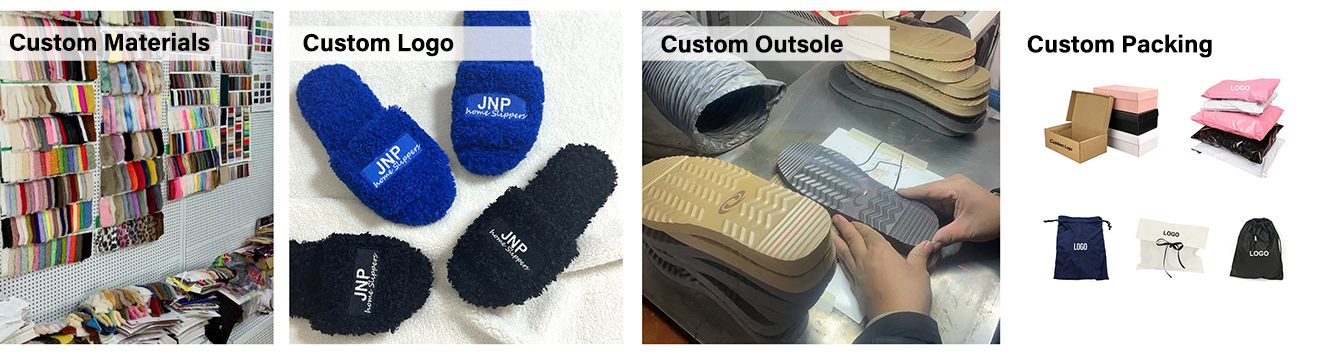
When I work with designer brands, I often see frustration around sourcing. Too many suppliers don’t understand the need for both creative freedom and supply chain control. This is why I built JNP Footwear to help brands turn ideas into finished products without drowning in delays and miscommunications.
Why Do Designer Brands Struggle with Custom Footwear Production?
Too many footwear suppliers simply want to mass-produce what they already know. But designer brands live for creativity, and this mismatch creates delays and errors.
Designer brands struggle because many suppliers can’t handle complex, small-batch, custom orders efficiently.

When I worked with Amelie, a former LV and Hermès designer, she struggled to find a supplier who could produce her eco-friendly1, high-SKU, and highly customized designs. Our ability to allocate the right factory partners2 for each order and track production in real-time helped her streamline her complex workflow.
What Are the Main Production Challenges for Designer Brands?
| Challenge | Why It Happens | How We Solve It |
|---|---|---|
| High SKU counts | Designers need diverse styles and colors | Small-batch production, flexible factories |
| Complex product details | Unique trims, patterns, and eco-materials | Clear SOPs, structured sampling process |
| Poor communication with suppliers | Cultural & language gaps in overseas factories | Hands-on service, daily production tracking |
| Tight timelines | Seasonal launches & marketing campaigns | Advanced planning, priority production slots |
How Can Eco-Friendly Materials1 Make or Break a Designer Brand’s Footwear Line?
Consumers care about sustainability, and designer brands can’t ignore this trend. But sourcing eco-friendly materials1 that meet testing standards is complicated.
Brands win by using certified eco-friendly materials without sacrificing style or comfort.

When we supply wool slippers or UGG-style footwear, we always use eco-certified materials1 that pass testing in major markets like the US, EU, and Japan. This allows our designer clients to market their products confidently, knowing that both their customers and regulatory bodies will approve.
What Types of Eco-Friendly Materials1 Work Best in Designer Footwear?
| Material | Certification Examples | Footwear Types |
|---|---|---|
| Recycled polyester | GRS (Global Recycled Standard)3 | Indoor slippers, furry slides |
| Natural wool | OEKO-TEX4, Woolmark5 | Wool slippers, classic styles |
| Plant-based rubber | FSC6 | Sustainable sole options |
| Eco-microfiber | REACH compliant7 | Lining and uppers for premium shoes |
How Can Footwear Suppliers Help Designer Brands Streamline Production?
A creative brand needs a supplier who acts like a production partner, not just a factory. This means tracking production steps and ensuring deadlines.
Suppliers help brands succeed by managing factory coordination2, material sourcing, and delivery timelines8 proactively.

In my business, we allocate orders to different factory partners2 based on order size and complexity. For a designer brand, this means they get the right factory every time—whether for a 100-pair sample run or a 10,000-pair launch.
How Does JNP Footwear Streamline Production for Designer Brands?
| Step | Action Taken |
|---|---|
| Order allocation | Match each project with the right factory |
| Production tracking | Monitor each process from material sourcing to shipping |
| Material sourcing | Verify eco-certifications and testing compliance |
| Communication | Provide updates and solve problems in real-time |
| Shipping coordination | Work with logistics partners for door-to-door delivery8 |
Conclusion
Designer brands succeed in footwear when their suppliers support creativity, customization, and quality at every step of production.
Footnotes
-
Certified eco-friendly materials help brands reduce environmental impact while maintaining product quality and market compliance. ↩ ↩ ↩ ↩ ↩ ↩
-
Allocating the right factory partners helps optimize production for order size, complexity, and deadlines. ↩ ↩ ↩
-
GRS (Global Recycled Standard) certification ensures recycled polyester meets strict environmental and social criteria. ↩
-
OEKO-TEX certification verifies that textiles are tested for harmful substances, ensuring safety for consumers. ↩
-
Woolmark certification guarantees the quality and authenticity of wool products. ↩
-
FSC certification ensures plant-based rubber is sourced from responsibly managed forests. ↩
-
REACH compliance indicates materials meet EU chemical safety regulations for consumer protection. ↩
-
Door-to-door delivery services streamline logistics, saving brands time and reducing risk in global shipping. ↩ ↩