Finding the right ballet flats for a fashion collection is not always easy. I know that buyers need attractive designs, flexible customization, and reliable production without making the purchasing process complicated.
I offer customizable bow ballet flats with multiple color and material options. I help wholesale buyers develop their own styles, add custom logos, and select suitable materials to create footwear that matches their brand identity and target market.
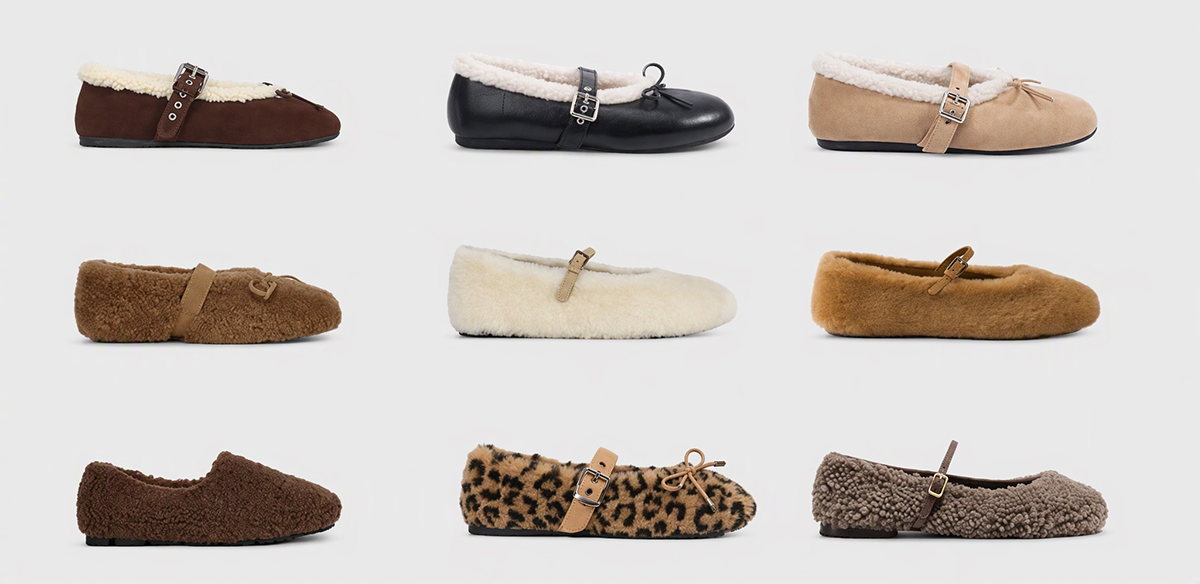
Ballet flats have a special place in women's footwear collections. Their simple shape makes them easy to match with different outfits, while small design details can give them a fresh look. I believe bow ballet flats are a good example of how a classic shoe design can remain attractive through different colors, materials, and customization options.
For fashion brands, distributors, and wholesale buyers, the key is not just finding a beautiful pair of shoes. It is finding a supplier who understands the importance of product details, handles different customization requirements, and supports the entire production process. So, how can I help buyers develop their own bow ballet flats? Let me explain the main points.
Why Are Bow Ballet Flats a Good Choice for Fashion Brands?
I have seen how classic footwear designs can create new opportunities when buyers introduce fresh colors and small design changes. Bow ballet flats are one style that offers plenty of room for this kind of development.
A simple shoe design can still attract different customer groups. The bow detail adds a feminine touch, while the basic ballet flat shape keeps the overall appearance clean and easy to wear.
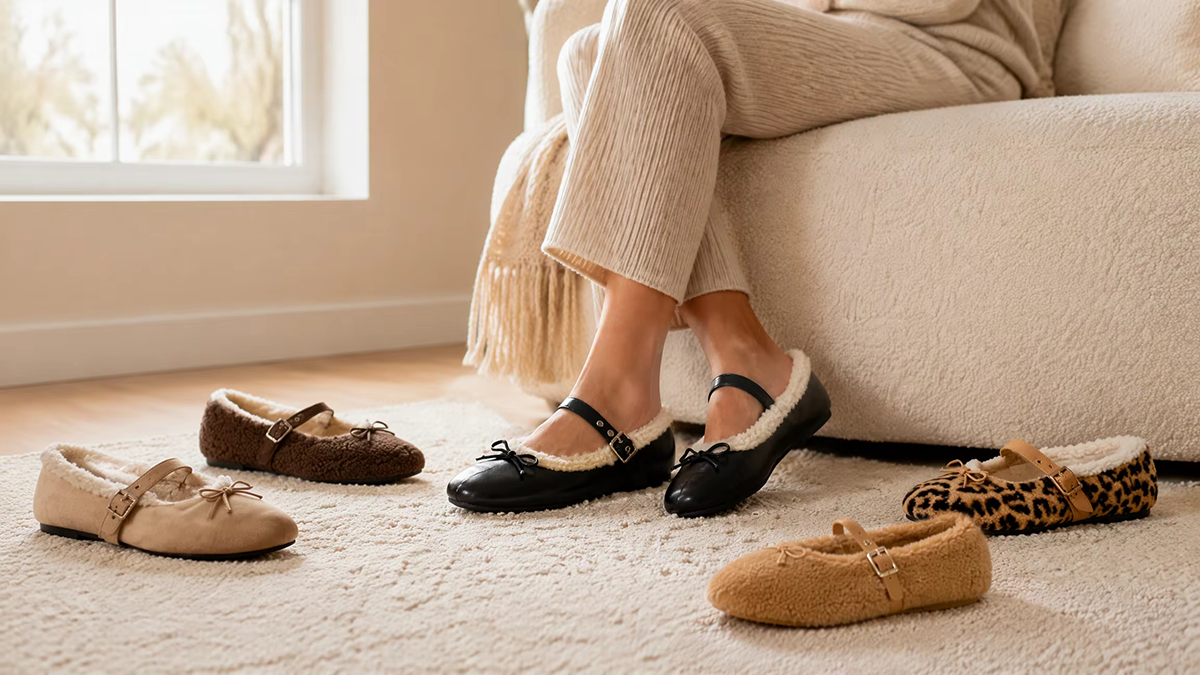
I see bow ballet flats as a flexible product for brands that want to combine classic footwear styles with their own fashion identity.
1. A Classic Design with a Fashionable Detail
I believe the bow is one of the most important details of this design. It gives the shoe a softer and more elegant appearance without making the overall style too complicated.
Different brands can also adjust the bow design to create their own product identity. For example, I can discuss different bow shapes, sizes, positions, and decorative details with buyers.
The shoe itself can remain simple while the bow becomes the main visual feature. This approach gives brands more room to create different product versions without changing the whole shoe structure.
For fashion buyers, this can also make collection planning easier. They can develop several variations around one basic design and introduce different styles for different customer groups.
2. Suitable for Different Fashion Collections
I understand that different brands have different customer profiles. Some brands prefer simple and elegant footwear, while others focus on youthful and trendy designs.
Bow ballet flats can fit into several fashion directions:
| Fashion Direction | Suggested Design Approach |
|---|---|
| Minimalist | Simple bow and neutral colors |
| Romantic | Soft colors and delicate bow details |
| Classic | Traditional colors and clean shapes |
| Trendy | Eye-catching colors and updated details |
| Premium | Carefully selected materials and refined finishing |
I do not think every brand needs the same design. My approach is to understand the buyer's market and brand positioning before discussing the final product.
This is especially important for buyers who manage multiple SKUs. A consistent basic design with different colors and material choices can help create a more organized collection.
3. More Opportunities for Seasonal Collections
I also see color changes as a useful way to develop seasonal collections.
For example, a buyer may prefer lighter colors for spring and summer collections. The same buyer may choose darker or more classic colors for autumn and winter products.
I can work with buyers to discuss suitable color combinations and product variations based on their collection plans.
For additional inspiration, buyers can explore seasonal fashion color trends1 to understand how professional color forecasts can influence collection planning.
This gives buyers more flexibility when they want to test new designs or update existing products. They do not always need to develop a completely new shoe to offer something different to their customers.
What Colors and Materials Can I Customize for Bow Ballet Flats?
Color and material selection can change the entire appearance of a pair of ballet flats. I know that buyers often have clear ideas about the look they want, but they may need help finding suitable material options for production.
I support customization discussions based on the buyer's design requirements, target price, and order quantity.
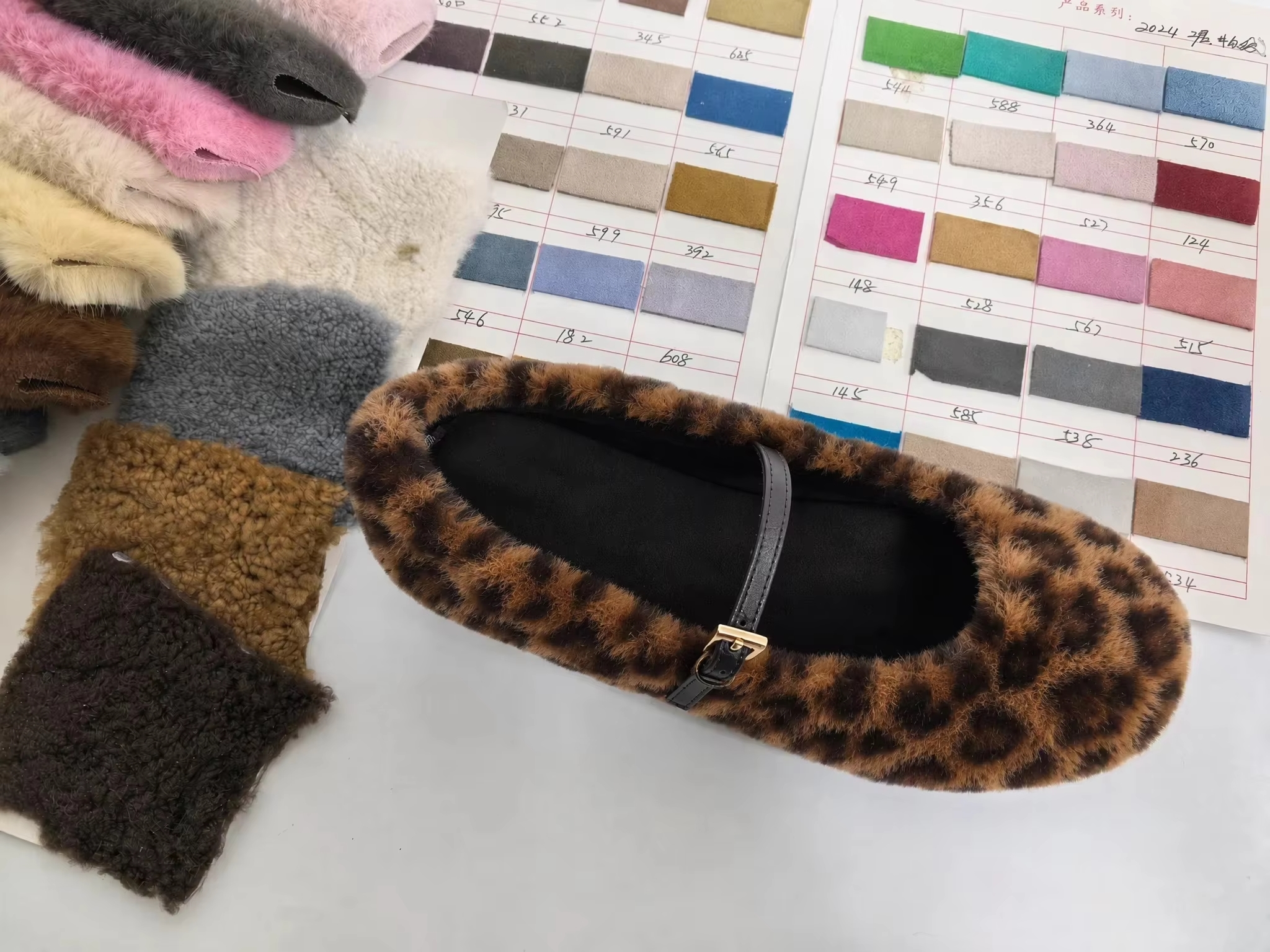
I do not believe that color and material selection should be treated as small details. They are important parts of product development, and I pay attention to them from the beginning.
1. Multiple Colors for Different Brand Identities
I understand that color is one of the first things customers notice when they look at footwear.
A classic black pair may appeal to customers who prefer simple everyday styles. Beige and brown can create a softer and more natural appearance. Pink and other soft colors may suit brands with a more feminine fashion direction.
For buyers who want a more eye-catching collection, brighter colors can also be considered.
Here are some color directions I can discuss with wholesale buyers:
| Color Direction | Possible Colors | Design Positioning |
|---|---|---|
| Classic | Black, white, beige | Everyday and timeless |
| Natural | Brown, tan, cream | Simple and understated |
| Soft | Pink, lavender, light blue | Feminine and romantic |
| Fashion | Red, burgundy, green | More distinctive collections |
| Seasonal | Colors selected for each season | Seasonal product development |
Buyers can also refer to the Pantone color matching system2 when communicating specific color requirements.
I can discuss color references with buyers before production. If a buyer has a specific brand color, I can also review the available color-matching options with the factory.
I recommend confirming the final color through an approved sample whenever color consistency is important to the brand.
2. Different Material Options for Different Product Positions
I know that different materials create different visual effects and product experiences.
Some buyers want a smooth and clean appearance. Others prefer a softer texture or a more distinctive surface. The material choice also needs to match the target price and production requirements.
I can discuss different material directions according to the buyer's requirements.
| Material Direction | Visual Characteristics | Suitable Positioning |
|---|---|---|
| Smooth materials | Clean and simple appearance | Classic collections |
| Suede-like materials | Soft and textured appearance | Casual and elegant styles |
| Textile materials | Different textures and finishes | Fashion collections |
| Eco-friendly material options | Based on available certified materials | Sustainability-focused brands |
For brands exploring sustainable textile materials3, I can discuss renewable material options and available material compliance documentation.
The exact material options depend on the design, factory capabilities, and material availability. I prefer to confirm these details before promising a specific material for production.
For buyers interested in recycled materials, the Global Recycled Standard (GRS)4 can provide useful information about recycled material content and supply-chain requirements.
I believe this step is important because a beautiful design needs suitable materials to support its final appearance and intended market position.
3. Matching Colors and Materials to Create More Variations
I often see buyers looking for ways to increase their product selection without making every SKU completely different.
One practical approach is to use the same basic ballet flat design with several material and color combinations.
For example, a buyer could develop a classic collection with black and beige options, then introduce softer colors for a seasonal collection.
The bow can also be adjusted to match or contrast with the shoe material. This small change can create a different visual effect.
I suggest that buyers first decide on their main product direction. Then I can help review suitable combinations and organize the customization details.
This approach can make product development more manageable, especially for brands that need to handle multiple styles, colors, and purchasing requirements at the same time.
How Can I Customize Bow Details and Brand Logos?
I know that a product needs more than a popular design to stand out in a competitive footwear market. Small details can help customers recognize a brand and make its products look different from standard wholesale styles.
That is why I pay attention to customization beyond color and material selection.
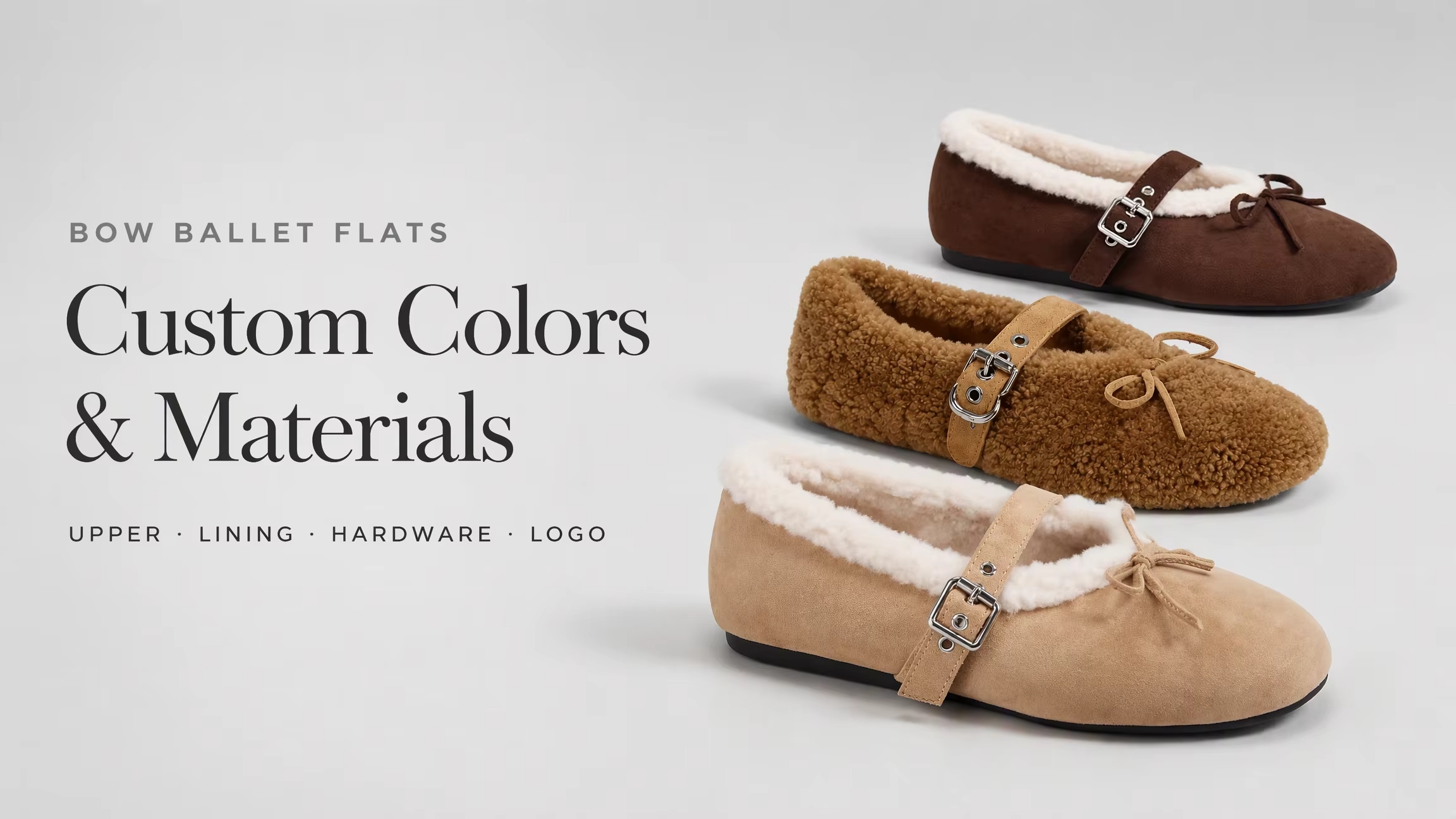
My goal is to help buyers turn their design ideas into clear production requirements. I understand that even small details need to be communicated correctly before manufacturing begins.
1. Custom Bow Shapes and Decorative Details
The bow is the main decorative feature of bow ballet flats. I believe it deserves special attention during product development.
Different bow shapes can create different styles. A small bow can give the shoe a simple and understated appearance. A larger bow can become the main design feature.
Buyers can also discuss the bow's position, proportions, material, and overall appearance.
For example, some brands may prefer a bow made from the same material as the shoe. Others may want a contrasting material or color to create a stronger visual effect.
I recommend confirming these details through a sample before mass production. This helps both sides understand the design and reduces the risk of mistakes.
2. Custom Brand Logos
I understand that private labeling is important for fashion brands and footwear distributors.
A custom logo helps buyers develop their own product identity instead of selling generic footwear.
Depending on the product structure and available production methods, I can discuss different logo applications with buyers.
Possible customization areas include:
- Logo details on the insole.
- Custom branding on selected shoe components.
- Branded packaging.
- Customized labels and other agreed product details.
I prefer to receive the buyer's logo files and placement requirements as early as possible.
This allows me to discuss the production method with the factory and confirm whether the requested logo design is suitable for the selected material.
3. Why Do I Pay Attention to Sample Confirmation?
I have worked with buyers who manage many SKUs, different colors, and complicated customization requirements.
From my experience, unclear product details can create problems during production. A small misunderstanding about logo placement or material selection may lead to unnecessary changes.
That is why I value sample confirmation.
I normally recommend checking these details before moving forward:
| Item | What I Need to Confirm |
|---|---|
| Shoe design | Overall shape and proportions |
| Bow | Size, position, and appearance |
| Material | Selected material and texture |
| Color | Approved color reference |
| Logo | Artwork, position, and application |
| Packaging | Branding and packaging requirements |
I believe clear communication at this stage saves time for both buyers and suppliers.
How Do I Support Wholesale Buyers with Custom Production?
I know that finding a supplier is only one part of the purchasing process. Buyers also need to consider order quantities, production arrangements, communication, quality requirements, and delivery schedules.
At Yangzhou JNP Imp. & Exp. Co., Ltd., I focus on B2B wholesale and customized footwear production. I work with different factory partners based on product designs, order quantities, and production requirements.

I do not rely on just one production line for every product. I believe different designs need different production capabilities.
1. Flexible Factory Resources for Different Requirements
Over the years, I have developed relationships with eight long-term factory partners. Our longest factory partnership has lasted 16 years.
These partners include small custom factories and factories that work with brands. Some also have audit reports and experience with different compliance requirements.
This network gives me more flexibility when arranging production.
For example, a buyer with complicated design requirements may need a factory with stronger customization experience. Another buyer may focus more on production cost and order quantity.
I can review these differences and allocate orders to suitable factories.
I believe this is more practical than forcing every order into the same production arrangement.
Buyers evaluating supplier social compliance can learn more about amfori BSCI factory audits5 and the types of workplace and supply-chain assessments involved.
2. Support for Small-Batch Customization
I know that many growing fashion brands do not want to place large orders for every new design.
Some buyers want to test a trending style before making a larger purchasing decision. Others need several colors and designs but have relatively small quantities for each SKU.
I understand these needs through my experience working with small and medium-sized brands in cross-border e-commerce.
For suitable trending styles, I can discuss low-MOQ options with custom branding.
However, the actual MOQ depends on the selected design, material, color, and factory requirements. I prefer to review the complete order details before confirming the quantity.
This gives buyers a more realistic understanding of the production possibilities.
3. Organized Communication for Multiple SKUs
I have learned that managing multiple SKUs can be challenging for buyers.
A brand may order several colors, different materials, and various logo versions in one purchasing project. If the information is not organized, mistakes can happen.
I pay attention to the details that need confirmation before production.
These include product specifications, color references, material choices, logo artwork, quantities, and delivery requirements.
I also understand that buyers may have several people involved in the purchasing process. Clear records and timely communication help reduce repeated confirmations.
My role is not just to connect buyers with factories. I also want to help make the purchasing process easier to manage.
4. Export and Logistics Support
I have around 6-7 years of experience in cross-border e-commerce. During this time, I have gained a better understanding of the needs of small and medium-sized brands.
Our main export markets include the USA, Australia, New Zealand, Europe, the UK, Japan, and South Korea.
I also work with logistics companies to provide door-to-door logistics services.
For wholesale buyers, this can make the process more convenient because they can discuss product development, production, and shipping with one supplier.
I understand that delivery arrangements are an important part of international purchasing. That is why I prefer to discuss the destination, shipping requirements, and expected timeline before confirming an order.
For a clearer understanding of international delivery responsibilities, buyers can refer to the ICC Incoterms 2020 rules6.
How Can I Start a Custom Bow Ballet Flats Order?
I believe the best way to start a custom footwear project is to make the requirements clear from the beginning.
Buyers do not need to have every production detail ready before contacting me. A reference picture, a basic design idea, or a sample can be a good starting point.
I can review the requirements and discuss the available customization options.
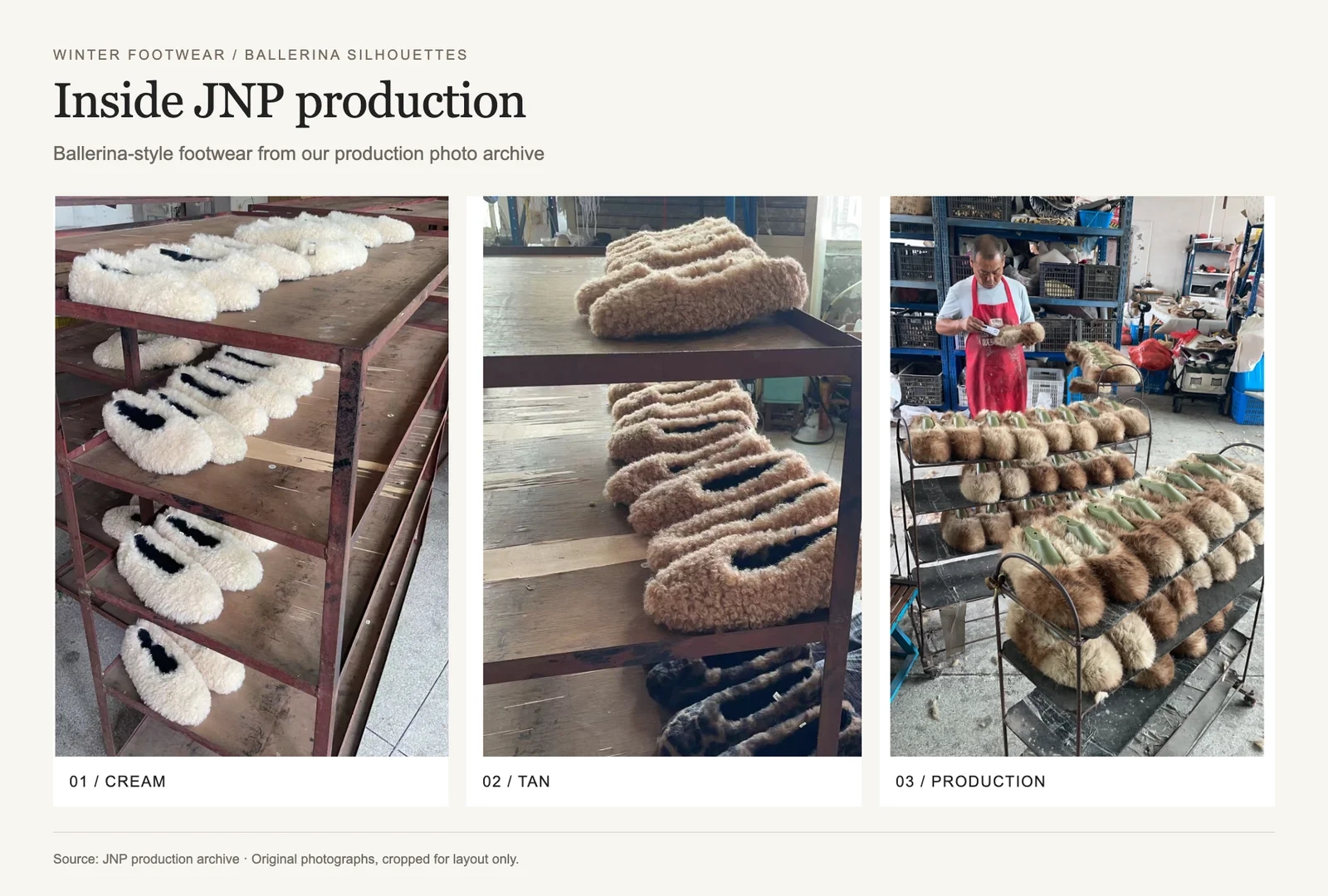
I want to make the first communication simple and useful for both sides.
1. Share Your Design Ideas
I recommend sending me a product picture, design sketch, or physical sample if available.
This helps me understand the basic shoe structure and the bow design you want.
If you already have a product specification sheet, I can also review it with the factory.
2. Confirm Colors and Materials
After understanding the design, I can discuss suitable material and color options.
If you have specific material requirements or environmental standards, please share them at this stage.
I can then check the available options and related documentation.
3. Discuss MOQ and Target Pricing
I understand that every buyer has a different purchasing budget.
Some brands need small quantities to test new products. Other distributors may prefer larger orders to support their wholesale business.
I can review the order quantity, customization details, and production requirements before discussing a suitable quotation.
4. Confirm Samples and Production Details
Once the main requirements are clear, I can arrange the next steps for sample development and production confirmation.
I recommend checking the sample carefully before approving bulk production.
This is especially important when an order includes multiple colors, materials, and logo variations.
5. Arrange Production and Shipping
After the product details and order requirements are confirmed, I can coordinate production with the suitable factory partner.
I also help buyers communicate shipping requirements and arrange logistics through our logistics partners.
My aim is to keep the process clear from the first product discussion to final delivery.
Conclusion
I offer customizable bow ballet flats with flexible colors, materials, and branding options, helping wholesale buyers develop footwear collections that match their brands and markets.
Footnotes
-
Pantone Fashion Color Trend Reports provide professional seasonal color forecasts and fashion color references, helping buyers identify relevant color directions when planning footwear collections. ↩
-
The Pantone Color Matching System provides standardized color references that help brands, designers, and manufacturers communicate specific color requirements more consistently. ↩
-
Textile Exchange publishes research and guidance on preferred materials and more sustainable textile production, helping brands evaluate material choices and sustainability opportunities. ↩
-
The Global Recycled Standard (GRS) is a voluntary product standard that verifies recycled material content and includes requirements related to processing, environmental practices, and social responsibility. ↩
-
amfori BSCI provides a social monitoring framework that helps companies assess working conditions and social compliance in their supply chains. ↩
-
ICC Incoterms 2020 defines internationally recognized trade terms that clarify the responsibilities, costs, and risks of buyers and sellers in international transactions. ↩