The holiday season is here, and buyers are shifting away from flashy logos. I've noticed more retailers asking about understated, high-quality lounge mule that feels expensive without screaming for attention.
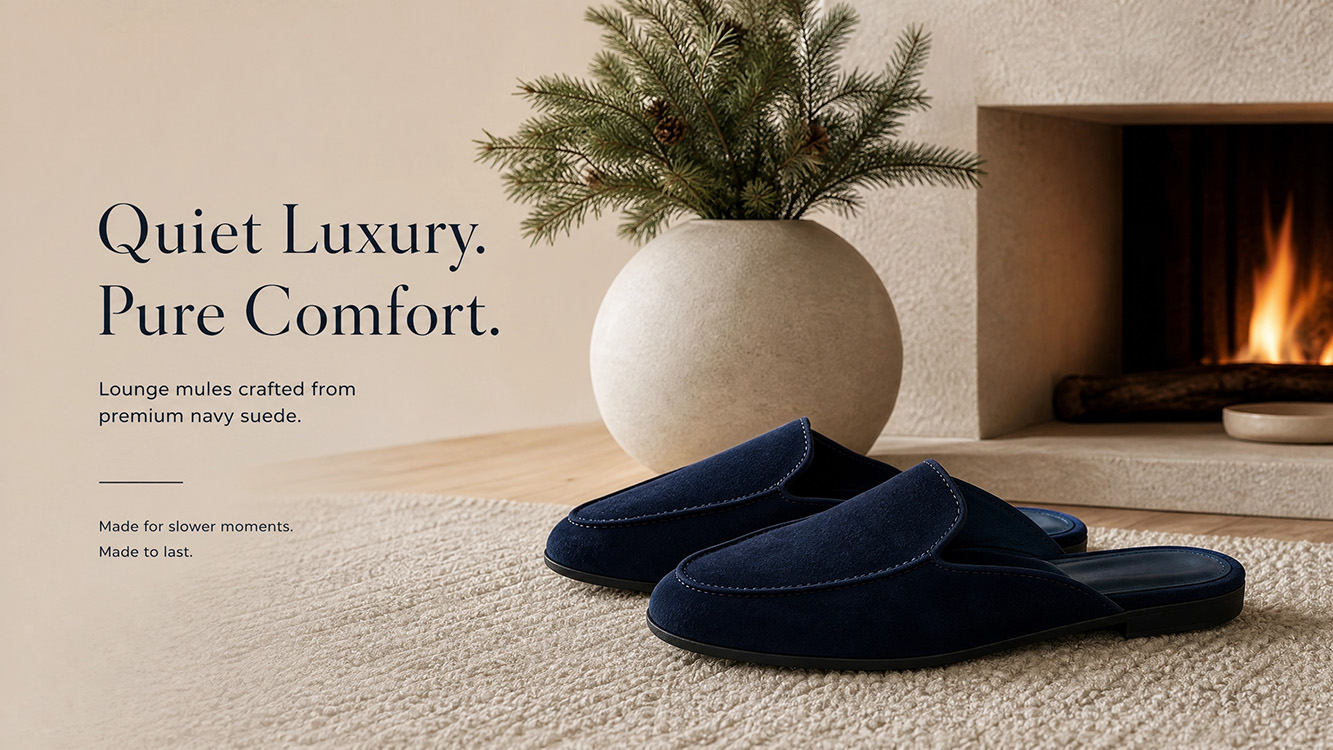
Quiet Luxury1 lounge mule combines premium materials, minimalist design, and superior comfort. It wins Q4 because consumers now prefer timeless quality over trendy branding, making it perfect for gifting and personal indulgence during the holiday season.
What Exactly Is Quiet Luxury Lounge Mule?
Buyers keep using this term, but what does it really mean for product sourcing? I've learned it's about creating pieces that look simple but feel extraordinary.
Quiet luxury lounge mule features premium Natural Fibers2, neutral colors, perfect tailoring, and minimal branding. The focus shifts from logos to craftsmanship, creating pieces that last years rather than seasons.
The Core Elements That Define This Category
When I work with clients on quiet luxury pieces, we focus on several key factors. The material comes from organic cotton and cashmere blends. These materials cost more upfront but deliver the soft, substantial feel buyers expect.
The color palette stays deliberately limited. My clients typically order ivory, camel, charcoal, navy, and soft gray. These colors don't compete with each other in a wardrobe and work across seasons.
The fit requires more development time. Unlike oversized trends, quiet luxury loungewear needs precise tailoring that drapes naturally without clinging.
Why Are Consumers Choosing This Style for Q4 Specifically?
The fourth quarter brings unique buying patterns. I've tracked orders over six years and noticed this style performs differently than other categories during holiday months.
Q4 buyers seek meaningful gifts and personal comfort investments. Quiet luxury lounge mule satisfies both needs with its premium quality, gift-worthy presentation, and year-round usability that justifies higher price points during holiday spending.
The Psychology Behind Holiday Purchasing Decisions
Holiday buyers think differently than regular season shoppers. They're looking for items that communicate care and thoughtfulness. A well-made natural lounge mule tells a different story than a branded hoodie.
I've noticed three main buyer motivations during Q4.
First, gift-givers want items that feel luxurious but not wasteful. Quiet luxury hits this balance perfectly.
Second, many people treat themselves during this period. After a long year, buyers justify premium purchases for personal comfort.
Third, the practical gifting angle matters. Neutral lounge mules work across age groups and style preferences.
How Does This Compare to Previous Holiday Trends?
I remember when branded athleisure dominated every order. The shift happened gradually, then all at once.
Previous holiday seasons favored logo-heavy athleisure and bold patterns. The 2023–2024 shift toward quiet luxury reflects economic uncertainty, sustainability awareness, and consumer fatigue with Fast Fashion3.
The Evolution from Athleisure to Refined Comfort
Three years ago, my Q4 orders looked completely different. Clients wanted bright colors, large logos, and sporty details.
The turning point came when consumers realized their homes were filled with items that wouldn't last. I started receiving requests for "investment pieces" and "timeless designs."
When budgets tighten, people choose fewer, better items. Many consumers now evaluate purchases using a Cost Per Wear4 mindset before buying.
Sustainability concerns also drive this change. Quiet luxury aligns with "buy less, buy better" values and broader Sustainable Fashion5 trends.
What Materials Work Best for This Category?
Material selection makes or breaks quiet luxury loungewear.
Premium natural fibers define quiet luxury—Merino Wool6, organic cotton, cashmere blends, and Modal Fabric7. These materials provide superior comfort, durability, and the substantial hand-feel buyers expect from higher-priced loungewear.
Sourcing and Working with Premium Materials
Merino wool transformed my approach to loungewear. Unlike regular wool, merino feels soft against skin and regulates temperature naturally.
Organic cotton costs more but delivers better results for quiet luxury positioning. I've partnered with suppliers who provide GOTS Certification8, which buyers increasingly request for marketing claims.
Modal deserves mention for its silk-like drape and sustainability profile. Made from beech trees, modal provides excellent moisture wicking and color retention.
How Should Brands Price Quiet Luxury Loungewear?
Pricing creates the biggest disconnect between production costs and market expectations.
Quiet luxury loungewear typically retails between $150-$400 per piece. Wholesale prices must account for premium materials, superior construction, and lower production volumes while maintaining healthy margins for both manufacturer and retailer.
What Production Challenges Come With This Category?
Manufacturing quiet luxury loungewear requires different factory capabilities than standard production.
Quiet luxury production demands skilled workers, quality materials handling, precise pattern making, and rigorous quality control.
Finding and Managing the Right Manufacturing Partners
Not every factory works for quiet luxury projects.
Premium natural fibers require careful handling, while pattern development requires more adjustments and sampling rounds than standard production.
Communication also becomes more intensive throughout production. Quality issues must be identified early to protect product integrity.
What Trends Will Shape This Category Moving Forward?
The market keeps evolving, and I watch for signals in buyer behavior and order patterns.
Future trends point toward increased customization, Regenerative Materials9, Transparent Supply Chains10, and cross-category versatility.
Buyers will increasingly expect products that work equally well at home and in public, while being made from materials and processes that support environmental responsibility.
Conclusion
Quiet luxury lounge mule dominates Q4 because it delivers what today's buyers actually want: quality that lasts, comfort without compromise, and style that doesn't need validation. This shift from logo-heavy trends to understated excellence reflects a mature market choosing substance over flash.
Footnotes
- Helps readers understand the broader quiet luxury movement and why understated premium products are gaining popularity. ↩
- Explains why natural materials are preferred for comfort, durability, and premium positioning. ↩
- Provides context on consumer backlash against disposable fashion and the rise of buy-better purchasing habits. ↩
- Shows how consumers evaluate long-term value instead of focusing only on initial purchase price. ↩
- Supports the discussion about shifting consumer values and long-term purchasing behavior. ↩
- Explains merino wool's temperature regulation, softness, and suitability for premium loungewear. ↩
- Explains modal's sustainability profile, softness, and performance characteristics. ↩
- Helps readers understand the importance of certified organic textiles and sustainability claims. ↩
- Introduces emerging sustainable materials and future trends in apparel sourcing. ↩
- Helps readers understand why consumers increasingly demand visibility into sourcing and manufacturing. ↩