Many buyers struggle to find slippers that feel premium, look modern, and still support flexible customization for small or large orders.
Custom leather mules combine clean minimalist design1, daily comfort, and brand flexibility. I work with brands that want stylish indoor footwear with custom colors, logos, materials, and low MOQ options for changing market trends.
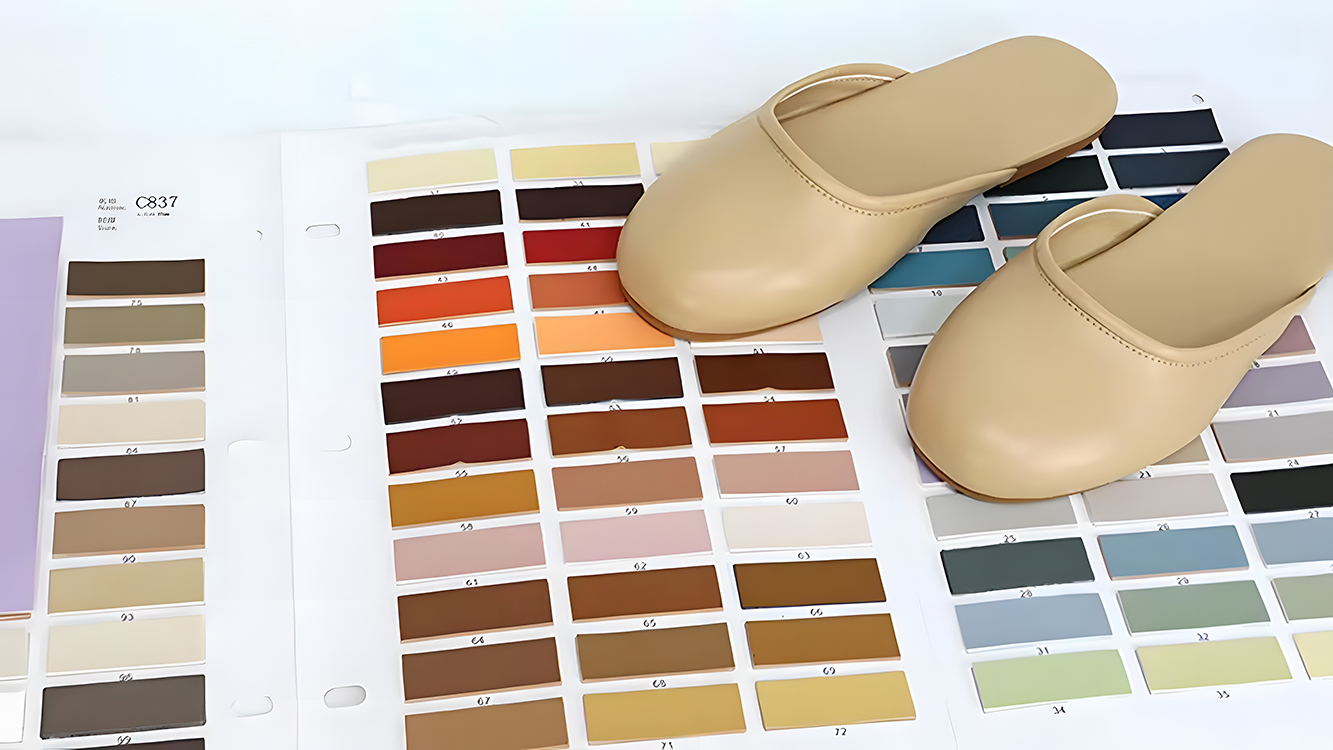
I noticed that many brands now want products that look simple but still feel special. I also saw that customers care more about comfort, materials, and branding details than before. This shift changed how I approach indoor footwear development. Today, minimalist leather mules are no longer basic home slippers. They are now part of lifestyle branding, boutique hotels2, and online trend stores.
Why Are Minimalist Leather Mules Becoming So Popular?
Many brands chase trends too fast. Then they end up with products that look outdated after one season and create inventory pressure.
Minimalist leather mules stay relevant because they combine timeless shapes, soft comfort, and flexible styling. They work across fashion brands, homeware collections, boutique hotels, and modern lifestyle markets.
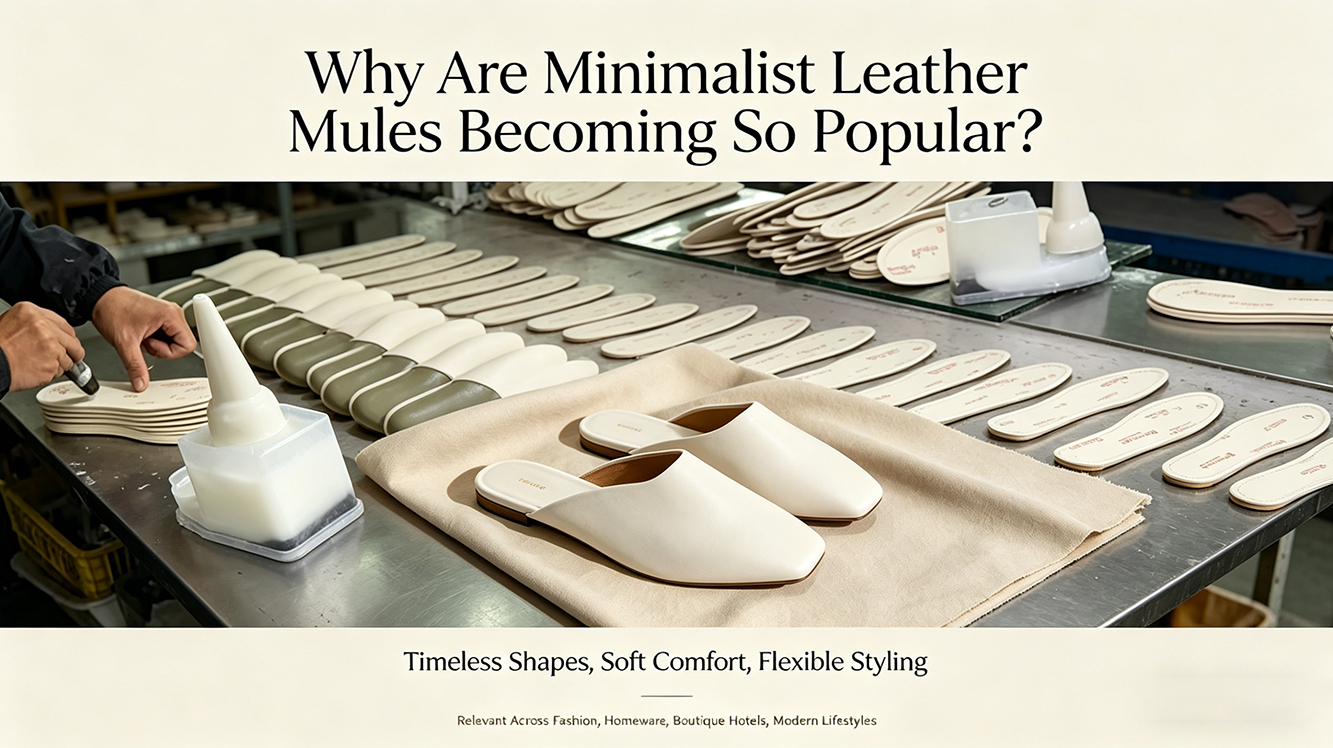
I often discuss trend direction with buyers from the USA, Europe, Australia, and Japan. I noticed one common point. Buyers want products that feel calm, clean, and easy to match with modern interiors. Minimalist leather mules fit this demand very well.
Simple products are actually harder to make look premium. Shape, stitching, edge finishing, and material texture become much more important. When there are fewer decorative elements, every detail becomes visible. I learned this while working with designer brands that needed very clean silhouettes but still wanted luxury-level finishing.
Many online brands also prefer minimalist mule slippers because they photograph well on ecommerce platforms3. Neutral colors like cream, beige, camel, black, and chocolate brown perform strongly on ecommerce platforms. These colors also reduce seasonal risk.
Here is why many buyers now choose minimalist mule styles:
| Feature | Why Buyers Like It |
|---|---|
| Clean silhouette | Easy to match with modern interiors and fashion |
| Soft leather upper | Gives premium visual texture |
| Open-back design | Convenient for daily indoor use |
| Neutral colors | Lower inventory risk |
| Unisex styling | Expands target customer groups |
| Easy branding | Supports custom logo applications |
I also noticed that many boutique brands now use slippers as part of their full lifestyle collection. A customer may buy candles, blankets, robes, and slippers together. Because of this, buyers want footwear that matches a calm and premium brand image instead of loud fashion trends.
How Does Customization Help Brands Stand Out?
Many brands sell similar products online. Without customization, it becomes difficult to build brand identity or customer loyalty.
Customization helps brands create unique products through logo placement, material choices, colors, outsole options, and packaging details while keeping production flexible for different order sizes.
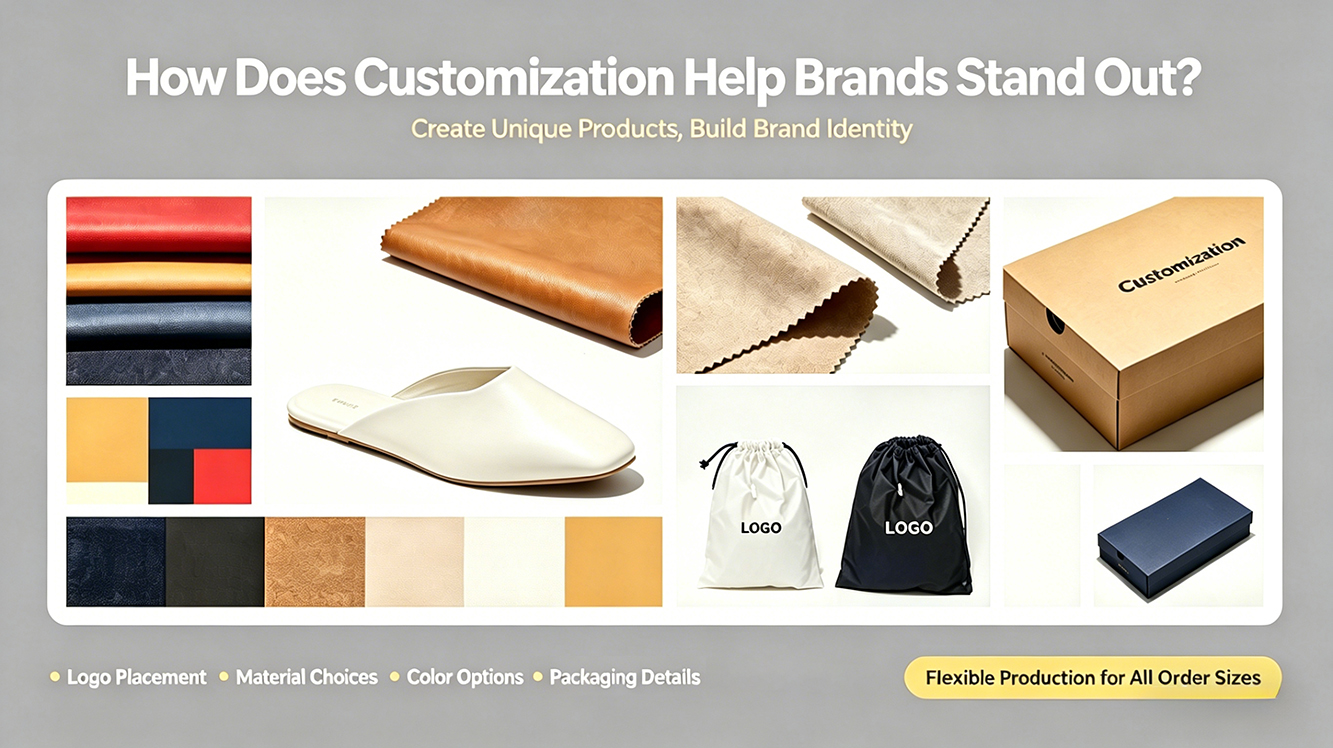
I work with many small and medium brands that need flexible customization support. Some clients need only logo changes. Others need fully customized outsole molds, packaging systems, or exclusive colors.
One important lesson I learned is this: customization is not only about appearance. It also solves business problems. Many ecommerce brands want lower MOQ4 because they test products in smaller quantities first. This helps them reduce inventory pressure and react faster to trend changes.
For example, one trendy online client wanted soft cream leather mules with embossed logos and recycled packaging5. Their order quantity was not large enough for many traditional factories. Because we work with several long-term factory partners, I could help balance production flexibility and cost efficiency.
Customization usually includes several areas:
| Customization Area | Common Options |
|---|---|
| Upper material | PU leather, genuine leather, vegan leather6 |
| Color | Pantone custom colors7 |
| Logo | Embossed, printed, metal tag, woven label |
| Insole | Memory foam insole8, wool lining, faux fur |
| Outsole | Indoor soft sole or outdoor rubber sole |
| Packaging | Custom boxes, dust bags, tissue paper |
I also noticed that sustainable materials9 are becoming more important. Some designer brands now request recycled PU, renewable wool blends, or eco-friendly packaging reports. Buyers especially care about this in Europe and parts of the USA market.
At the same time, customization needs strong communication management. Brands often change details during sampling. If suppliers cannot organize updates clearly, production mistakes happen easily. I spend a lot of time confirming artwork, material swatches, outsole details, and size specifications before mass production starts.
That process helps clients reduce risk and improve delivery consistency.
What Makes Comfortable Indoor Footwear Feel Premium?
Many slippers look good in photos but feel disappointing after a few days of use. Poor support and cheap materials reduce repeat purchases.
Premium indoor footwear depends on balanced construction, soft materials, supportive insoles, smooth lining, and lightweight outsoles that improve long-term comfort and durability.
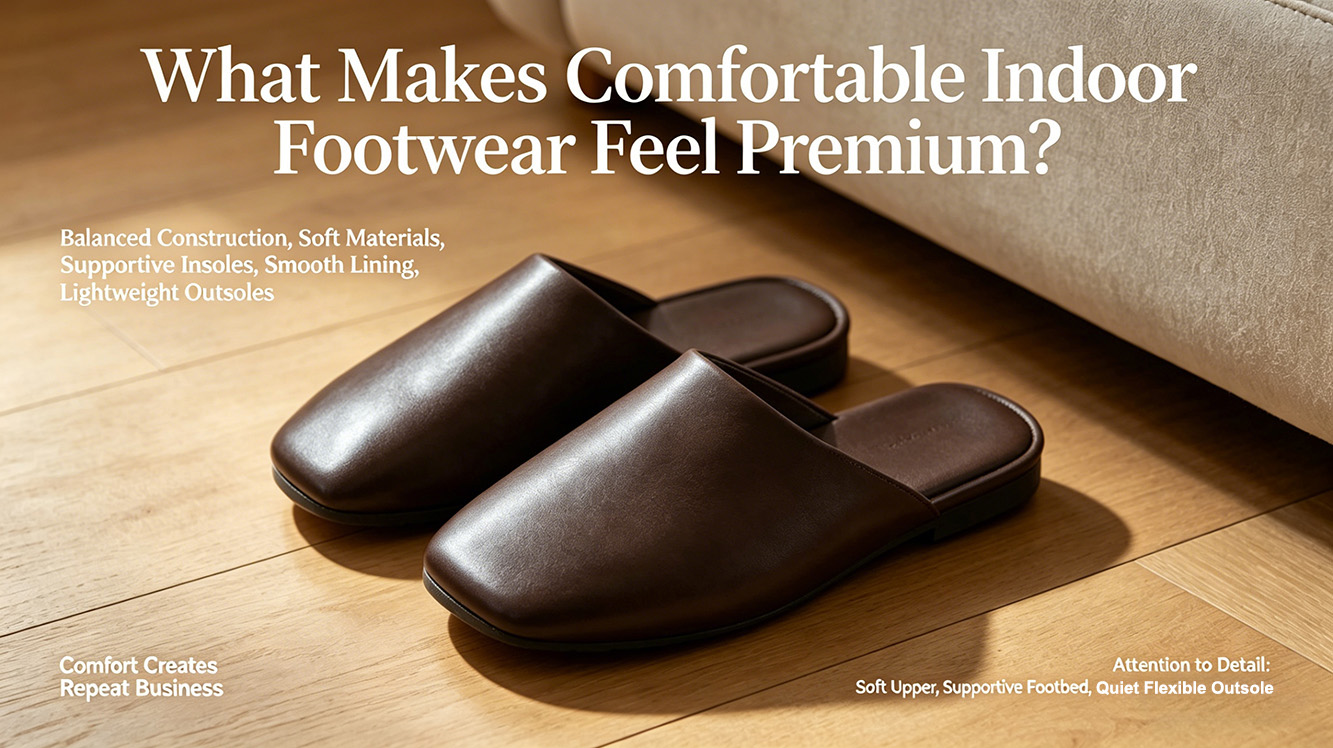
I always believe comfort is what keeps customers coming back. Design attracts first-time buyers. Comfort creates repeat business.
When I test slippers, I pay close attention to several small details. The upper should feel soft without collapsing too much. The footbed should support walking indoors for long periods. The outsole should remain quiet and flexible on wood flooring.
Many people think indoor slippers are simple products. Actually, comfort development requires careful balancing between materials, structure, and production methods.
Here are some factors that strongly affect comfort:
| Comfort Element | Impact on User Experience |
|---|---|
| Memory foam insole | Reduces pressure on feet |
| Soft lining | Improves skin comfort |
| Lightweight outsole | Makes walking easier |
| Proper toe shape | Prevents tight fitting |
| Flexible upper | Helps natural movement |
| Breathable materials | Improves daily wear comfort |
I also learned that different markets prefer different comfort styles. Japanese buyers often prefer lighter and softer indoor slippers with clean shapes. Some USA brands want thicker cushioning and more structured footbeds. Australian and New Zealand buyers may request wool lining because of colder seasons.
This means factories need flexible sourcing and development capability. One production line cannot solve every market requirement.
I often recommend brands build collections with both timeless basics and trend-driven seasonal colors. This creates stability while still keeping products fresh.
Another important point is durability. Customers now expect indoor slippers to last longer. Better stitching, outsole bonding, and edge finishing improve customer satisfaction and reduce complaints.
For brands, this matters a lot because online reviews directly affect future sales.
Can Small MOQ Production Work for Trend-Driven Brands?
Many growing brands struggle because suppliers refuse small quantities or slow down communication during development stages.
Small MOQ production works when suppliers understand trend cycles, maintain flexible factory partnerships, and organize sampling, sourcing, and production efficiently.
I understand the pressure many startup brands face today. They need fast product launches but cannot carry huge inventory risks. This is especially common for online stores and social media-driven brands.
Traditional factories often prefer large stable orders. Smaller brands then struggle to access customization support. This gap is where flexible supply chain management10 becomes very important.
Because I work with multiple factory partners, I can allocate production based on style complexity, materials, and order quantity. Some factories are better for small fashion runs. Others handle larger volume production more efficiently.
This flexible structure helps solve many common problems:
| Brand Problem | Flexible Production Solution |
|---|---|
| Low starting quantity | Smaller factory allocation |
| Fast trend changes | Shorter sampling cycles |
| Multiple color testing | Flexible sourcing |
| Custom packaging needs | Specialized packaging partners |
| Seasonal launches | Adjustable production planning |
I also noticed that fast communication matters almost as much as production itself. Many younger buyers want updates quickly because they run lean teams. Delayed responses often create stress during launch periods.
Over the past few years, I learned that strong organization is one of the biggest hidden values in footwear sourcing. Good coordination reduces mistakes, improves delivery timing, and keeps product development moving smoothly.
That support becomes especially important when brands manage many SKUs, colorways, and customization requests at the same time.
Conclusion
Minimalist custom leather mules combine timeless style, comfort, and flexible branding opportunities that help modern brands build stronger lifestyle-focused product collections.
Footnote
-
Minimalist design focuses on simplicity, clean lines, and functional aesthetics that help products remain visually relevant over time. ↩
-
Boutique hotels increasingly use premium indoor footwear as part of lifestyle-focused guest experience branding. ↩
-
Ecommerce platforms help lifestyle brands showcase products visually, test trends quickly, and reach broader online consumer markets. ↩
-
MOQ stands for Minimum Order Quantity, which affects production flexibility, pricing, and inventory planning for brands. ↩
-
Recycled packaging helps brands reduce environmental impact while supporting eco-conscious consumer expectations. ↩
-
Vegan leather is a non-animal alternative material designed to replicate the appearance and feel of traditional leather. ↩
-
Pantone custom colors allow brands to standardize and accurately reproduce colors across manufacturing batches and materials. ↩
-
Memory foam insoles improve indoor footwear comfort by reducing foot pressure and adapting to body movement. ↩
-
Sustainable materials in footwear include recycled, renewable, or lower-impact materials that support environmentally responsible production. ↩
-
Supply chain management improves sourcing coordination, production efficiency, communication flow, and delivery consistency. ↩