
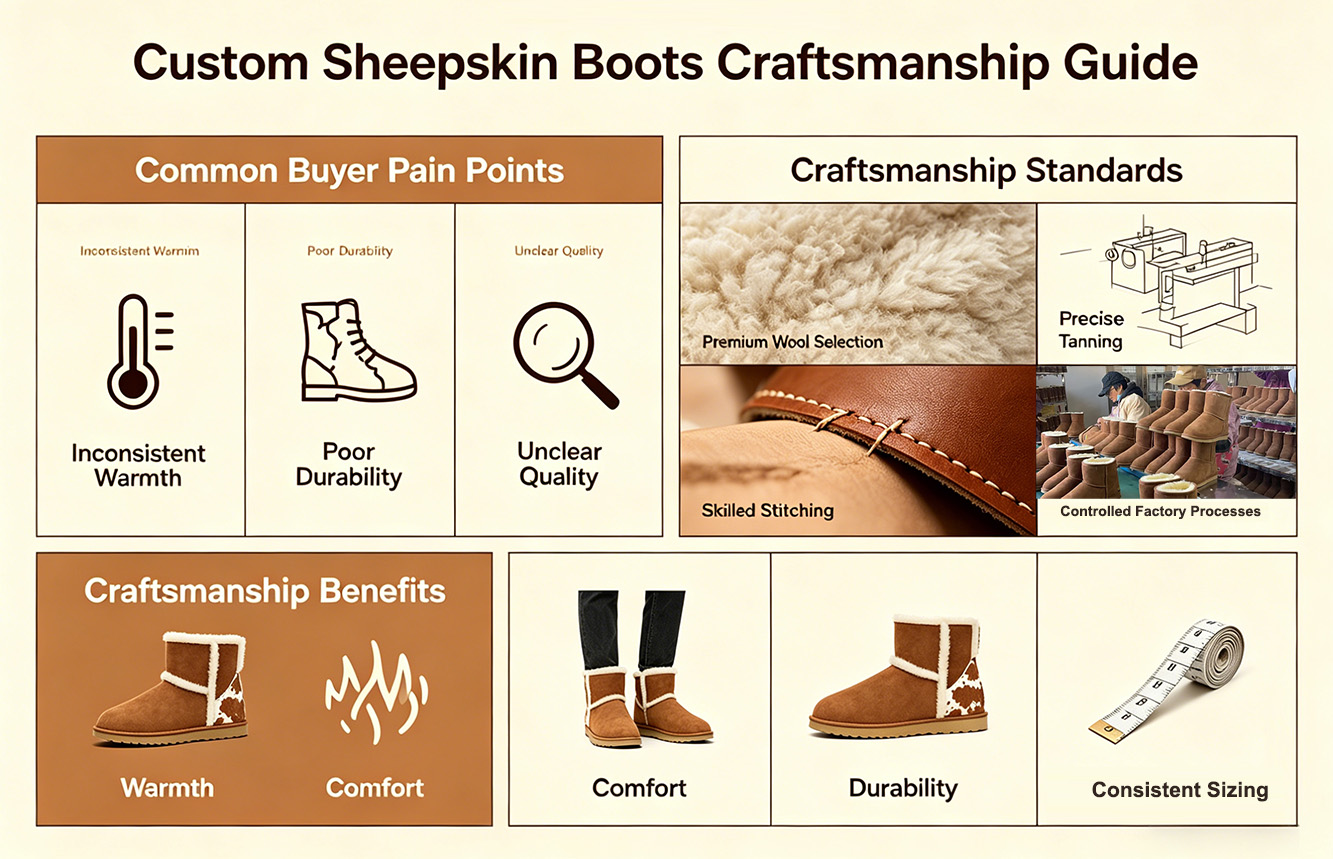
Many buyers struggle with inconsistent warmth, poor durability, and unclear quality in sheepskin boots, which makes sourcing stressful and risky.
snippet paragraph:
High-quality custom sheepskin boots are defined by premium wool selection1, precise tanning, skilled stitching, and controlled factory processes. True craftsmanship ensures warmth, comfort, durability, and consistent sizing for wholesale buyers.
Transition Paragraph:
When I first started working with sheepskin footwear production, I also thought most boots looked the same. But once I stepped into real factory systems, I realized the gap is huge. What I share below is what I see every day in my work with long-term factory partners.
What makes sheepskin boots truly high-quality?
leading paragraph:
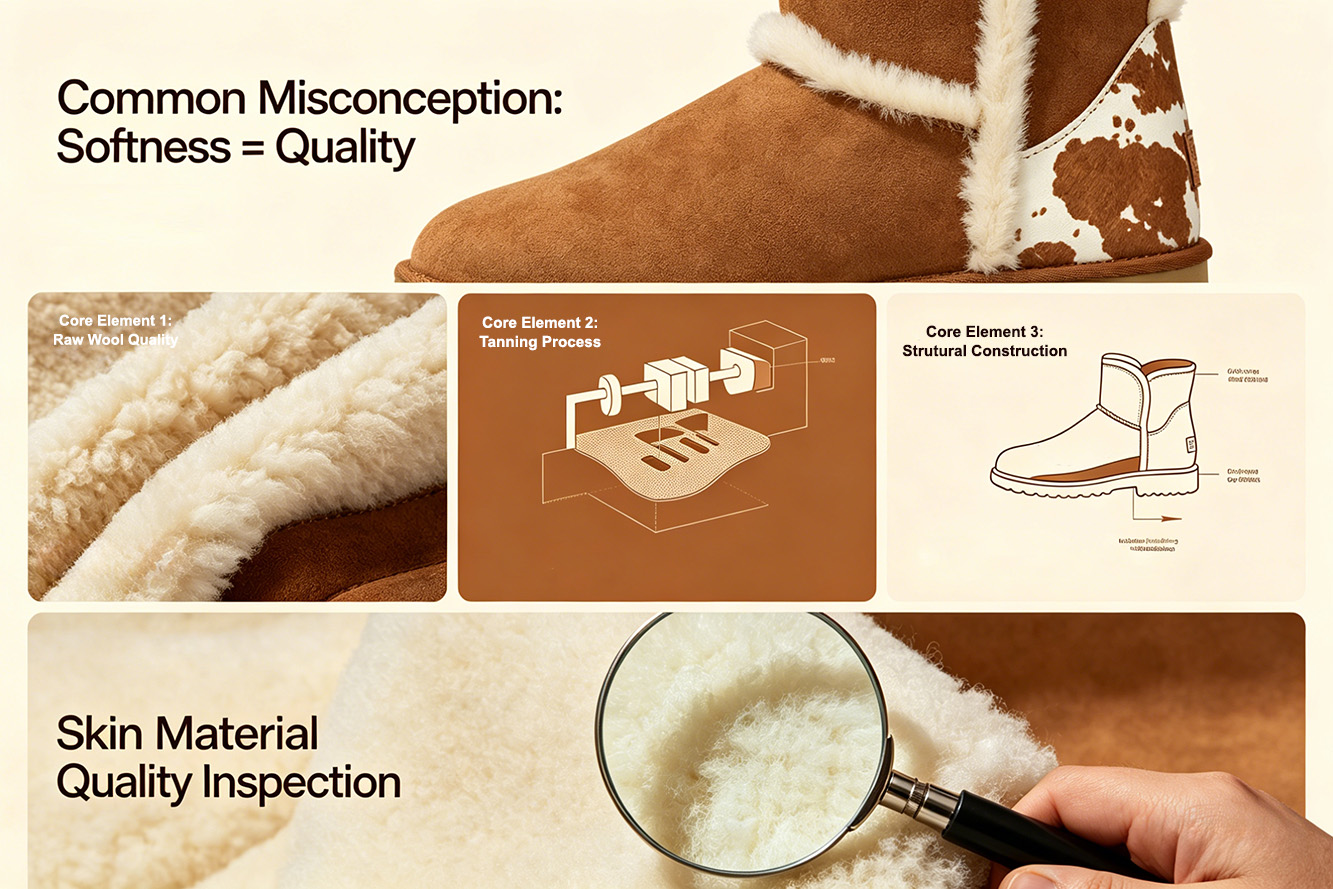
Many buyers think softness alone defines sheepskin boots, but I have seen soft-looking products fail within weeks of use.
snippet paragraph:
High-quality sheepskin boots depend on three core elements: raw wool quality, tanning process2, and structural construction. Each layer directly affects warmth, durability, and long-term shape retention.
I. Raw Material Selection Matters First
When I work with factories, I always check the wool source first. Good sheepskin is dense, even, and naturally insulating. Low-grade wool may feel soft at first but collapses after repeated wear.
II. Tanning and Safety Standards
Tanning is where most quality differences appear. Some factories skip eco-friendly standards to reduce cost. But in my supply chain, I only work with partners who provide compliance and testing reports. This ensures the boots are safe for long-term skin contact and export markets like the USA, EU, and Australia.
III. Structure and Comfort Balance
A boot is not just wool. It includes outsole bonding, insole shaping, and stitching strength. Poor construction leads to deformation. In my experience, structured assembly is what separates premium boots from fast-fashion products.
| Key Factor | High Quality Result | Low Quality Risk |
|---|---|---|
| Wool Density | Warm & long-lasting | Collapses quickly |
| Tanning Process | Eco-safe & stable | Odor & irritation |
| Stitching | Strong shape retention | Loose deformation |
leading paragraph:
Most people imagine boots are simply stitched together, but real production involves multiple controlled stages that many buyers never see.
snippet paragraph:
Sheepskin boots go through selection, cutting, shaping, stitching, and finishing. Each stage is handled by different skilled teams to ensure consistent quality and scalable B2B production.
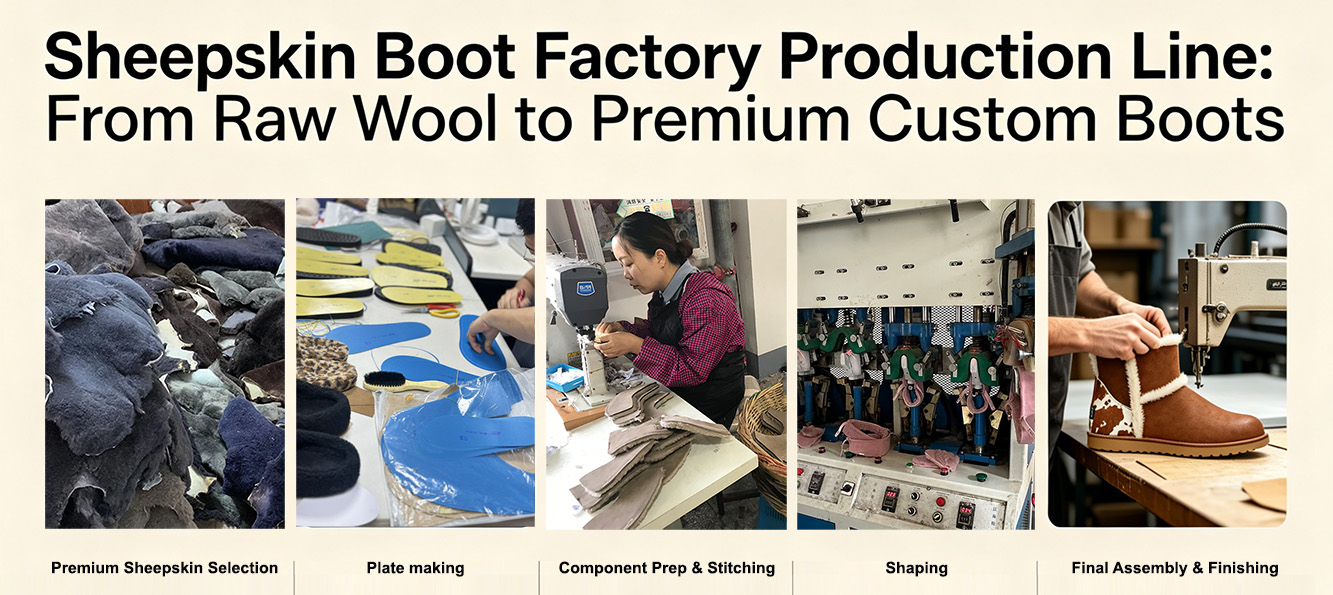
I. Material Cutting and Pattern Control
In my factory network, pattern precision is critical. Even a 2mm deviation can change comfort. Skilled workers cut leather and wool layers separately to maintain balance.
II. Assembly Across Specialized Lines
Factories I work with do not rely on one production line. Instead, different teams handle stitching, sole bonding, and shaping. This specialization improves consistency and reduces defects.
III. Quality Inspection Before Shipment
Before shipping, every batch goes through footwear quality inspection3. I often coordinate with factories that have audit reports and long-term compliance systems. This step ensures the boots meet brand expectations for overseas markets.
| Production Stage | Main Focus | Common Risk Without Control |
|---|---|---|
| Cutting | Precision fit | Size inconsistency |
| Stitching | Structural strength | Loose seams |
| Finishing | Appearance & comfort | Surface defects |
From my perspective, this structured system is why long-term factory partnerships matter. I rely on stable partners rather than switching suppliers frequently.
Why does customization matter in B2B sheepskin footwear production?
leading paragraph:
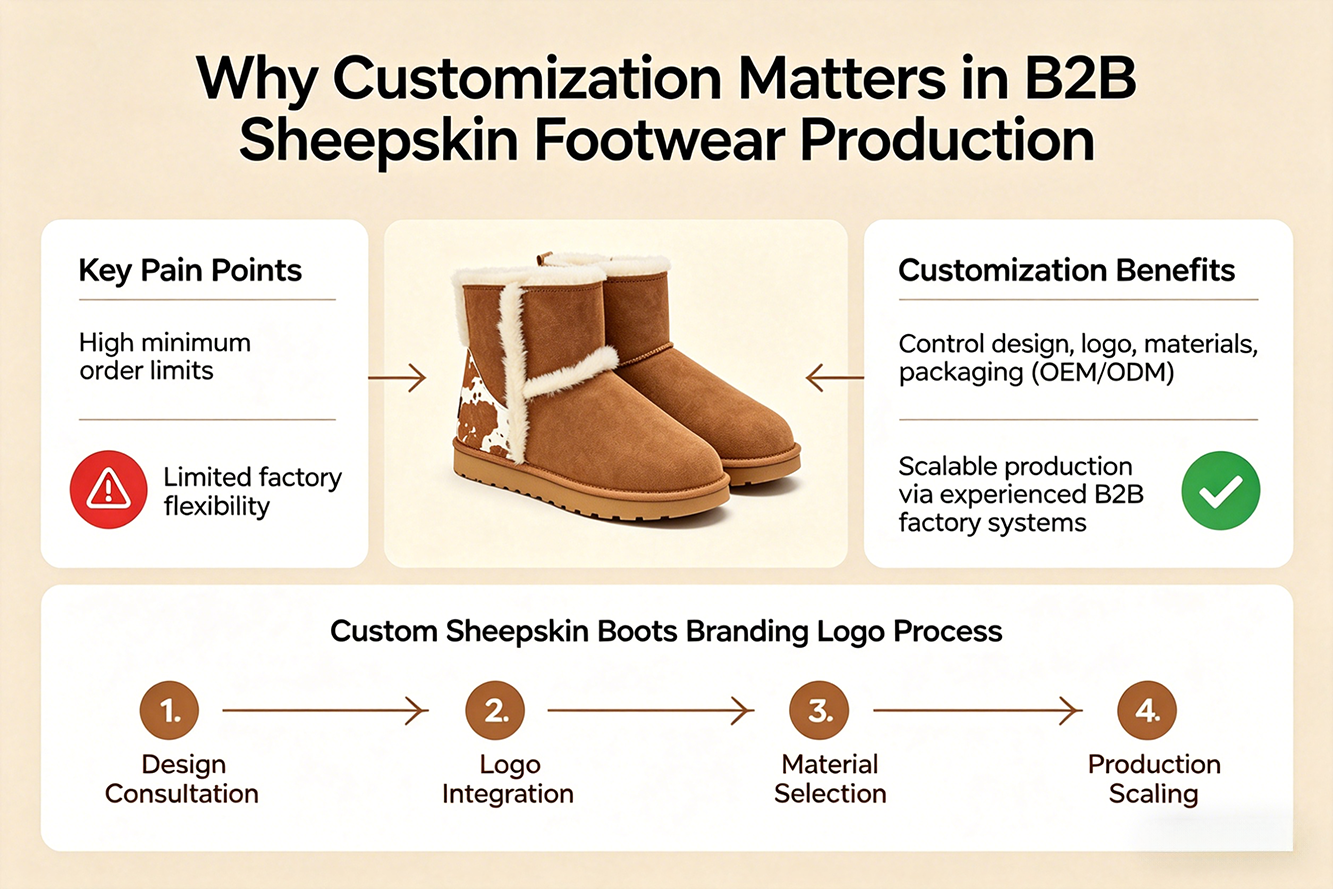
Many brands want unique products, but they often face rejection due to high minimum order limits and limited factory flexibility.
snippet paragraph:
Customization in sheepskin boots allows brands to control design, logo, materials, and packaging through OEM/ODM customization4 while maintaining scalable production through experienced B2B factory systems.
I. Branding Through Custom Design
In my work with clients like designer brands and trend-focused companies, I see strong demand for custom logos and unique silhouettes. This helps brands stand out in competitive markets like the USA and Europe.
II. Low MOQ for Market Testing
One key advantage in my supply chain is flexible MOQ wholesale manufacturing5. Some factories I work with allow small batches for trending styles. This helps brands test markets without heavy risk.
III. Supply Chain Coordination for Complex Orders
Clients often bring multiple SKUs with different colors and materials. I coordinate between factories using a structured B2B footwear supply chain6 system. This avoids delays and keeps delivery stable.
| Custom Option | Business Value | Production Challenge |
|---|---|---|
| Logo Branding | Strong identity | Extra process step |
| Material Choice | Market differentiation | Sourcing complexity |
| Small Batch Orders | Market testing | Scheduling pressure |
From my experience, customization is not just design work. It is a coordination system between factories, materials, and logistics. My role is to make this system stable and predictable for buyers.
Conclusion
High-quality custom sheepskin boots depend on materials, craftsmanship, and structured factory collaboration across the entire supply chain.
Footnotes
-
Wool selection refers to choosing high-density, high-quality natural wool that determines insulation performance and product longevity. ↩
-
Leather tanning process is a treatment method that stabilizes animal hides, improving durability, safety, and compliance with international standards. ↩
-
Footwear quality inspection is a factory process that checks size accuracy, stitching strength, and surface quality before shipment. ↩
-
OEM/ODM customization footwear refers to private-label or design-based manufacturing where brands customize products under factory production systems. ↩
-
MOQ (Minimum Order Quantity) is the lowest number of units a factory accepts per order in wholesale production. ↩
-
B2B footwear supply chain describes the coordinated production and logistics system between factories, suppliers, and international buyers.