
Many slippers feel good at first but disappoint after a few weeks. I often hear buyers complain about flat soles, poor support, and short product life. That frustration pushes many customers to search for better options.
Customers choose Birken-style slippers repeatedly because they combine orthopedic comfort, durable materials, and timeless design. Their cork-latex footbed1 molds to the wearer’s feet, creating long-term support and a custom fit that improves with use.
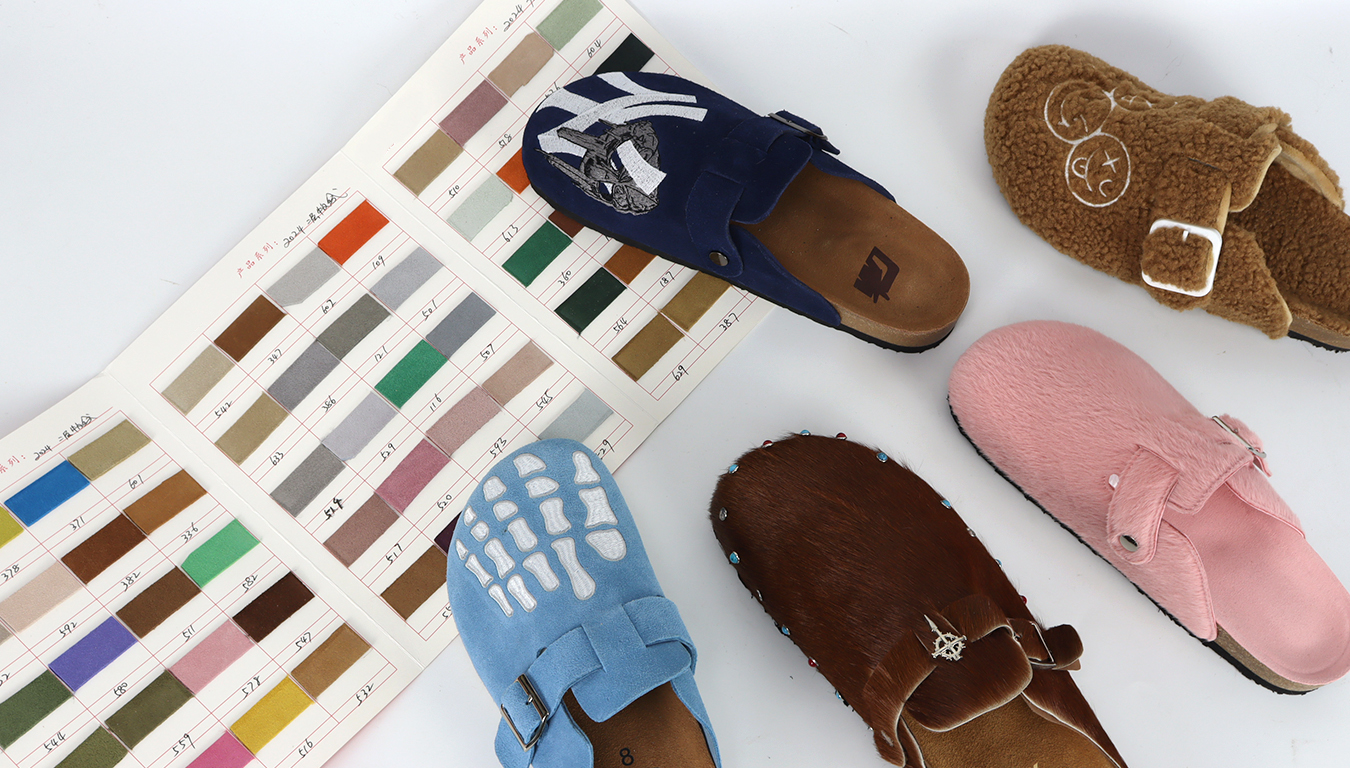
When I talk with buyers and brand owners, I notice a pattern. Once customers experience real comfort and durability, they rarely switch back. The reasons are practical, not just fashionable.
What Makes the Birken Footbed So Comfortable?
Many slippers look soft but fail to support the foot. I used to test many styles myself, and I noticed that most flat soles create foot fatigue after a few hours.
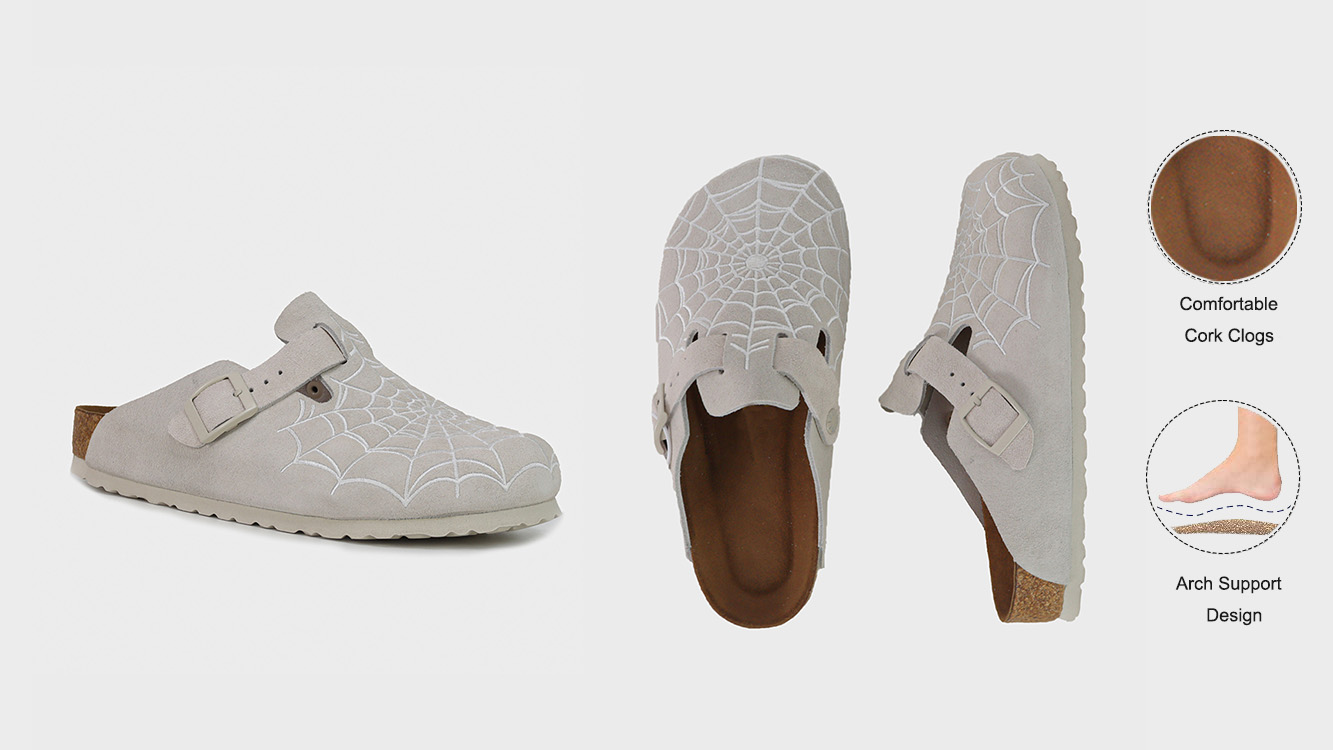
Birken-style slippers use a cork and latex footbed that supports the natural shape of the foot. The material absorbs shock, molds to the wearer’s foot over time, and distributes pressure evenly for long-term comfort.
Dive Deeper
The biggest difference between Birken-style slippers and ordinary slippers lies in the footbed structure. Instead of using only foam, the design combines several layers of natural materials that work together to support the foot.
The core layer is made of cork and natural latex. This combination creates a flexible but supportive base that adapts to the wearer’s foot shape with body heat and pressure. Over time, the footbed forms a personalized imprint, almost like a custom orthopedic footbed2.
Cork material3 also contains tiny air pockets. These pockets help absorb impact when walking and provide insulation against heat and cold. This helps keep feet comfortable during long hours of wear.
The typical footbed structure looks like this:
| Layer | Material | Purpose |
|---|---|---|
| Top layer | Suede lining | Absorbs moisture and keeps feet dry |
| Core layer | Cork + latex | Provides support and molds to the foot |
| Stabilizing layer | Jute fibers | Adds durability and structure |
| Outsole | EVA material4 or rubber | Shock absorption and grip |
Another detail I appreciate is the deep heel cup and toe bar design. The heel cup stabilizes the heel, while the toe bar encourages natural foot movement. These small features improve balance and reduce fatigue during long periods of standing.
Because of this design, many people say the slippers actually feel better after a few weeks of wear.
Why Do Birken Slippers Last Much Longer?
Many cheap slippers lose shape quickly. I often see flat soles, broken straps, or compressed foam after only one season.
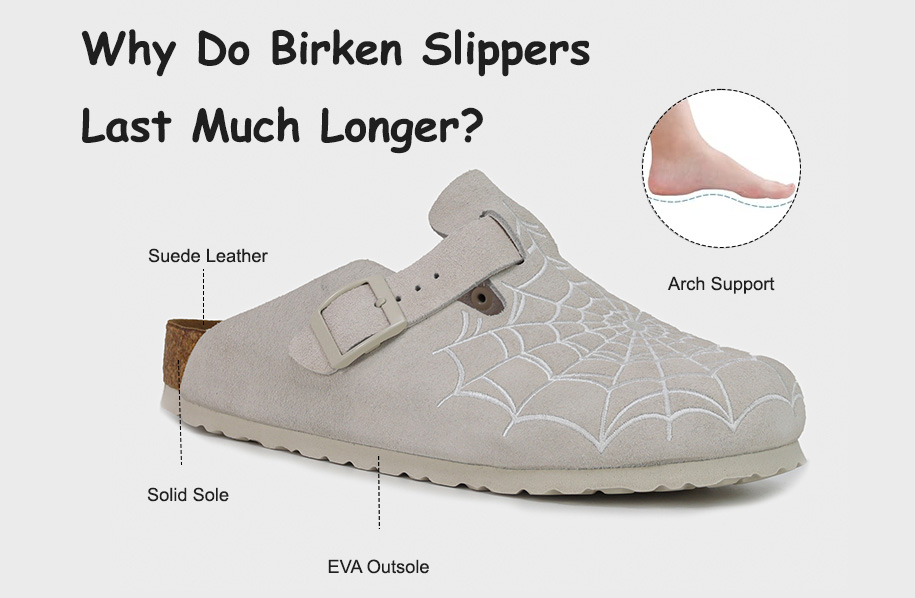
Birken-style slippers last longer because they use durable materials like cork, leather, and EVA outsoles. These materials resist compression and maintain support even after long-term daily use.
Dive Deeper
Durability is one of the most overlooked reasons customers return to Birken-style slippers.
Most inexpensive slippers rely on soft foam midsoles. Foam feels comfortable at first, but it compresses quickly. After a few months, the support disappears and the slipper becomes flat.
Birken-style slippers solve this problem by using a structured footbed.
Cork5 is naturally resilient. It compresses under pressure but returns to its original shape. This allows the footbed to keep its structure for years instead of months.
Another reason for durability is the layered construction. Each component serves a specific purpose.
| Component | Function | Benefit |
|---|---|---|
| Cork-latex core | Flexible support | Maintains shape over time |
| Jute reinforcement | Structural strength | Prevents cracking |
| Leather upper | Breathability | Adapts to foot shape |
| EVA outsole | Shock absorption | Long-lasting wear |
In my experience working with footwear factories, products with multi-layer construction always last longer than single-layer foam designs.
Customers notice this difference quickly. Instead of replacing slippers every season, they can wear the same pair for years. That reliability builds trust in the product and encourages repeat purchases.
Why Are Birken Slippers Still Fashionable?
Comfort alone is not enough for many customers. People still want footwear that looks good with everyday outfits.
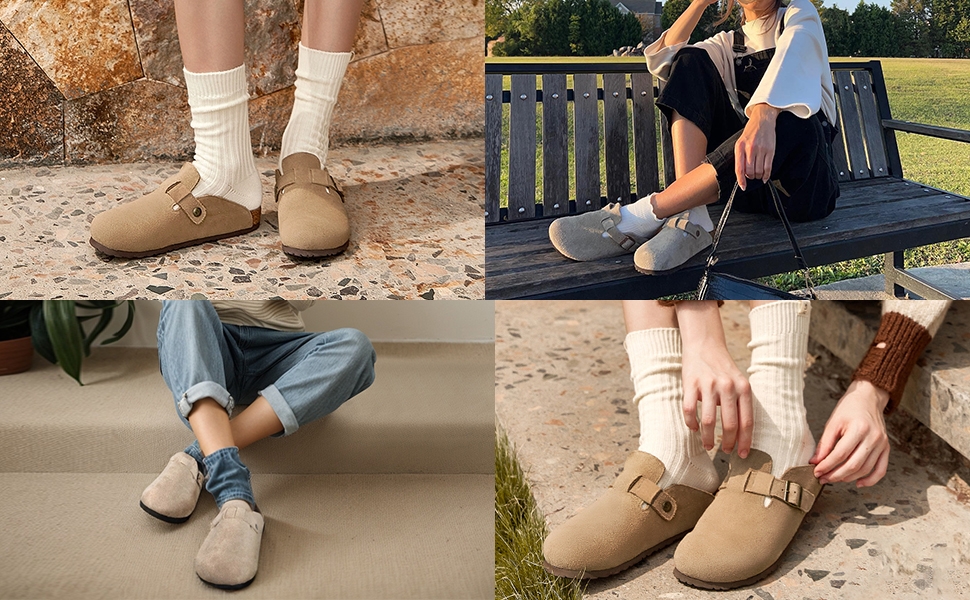
Birken-style slippers remain popular because their minimalist design works with many styles. The simple silhouette fits casual, homewear, and even street fashion trends.
Dive Deeper
One interesting thing I noticed over the years is how Birken-style footwear moves between comfort product and fashion item.
The design itself is very simple. Most styles use only a few elements:
- Wide straps
- Neutral colors
- Open structure
- Visible cork sole
This minimal structure makes the slippers easy to combine with different outfits.
For example:
| Style Scenario | Outfit Match |
|---|---|
| Homewear | Pajamas or lounge sets |
| Casual outings | Jeans and T-shirts |
| Summer fashion | Shorts or linen pants |
| Travel outfits | Comfortable walking looks |
Fashion trends also play a role. Younger consumers, especially Gen Z, often prefer relaxed and authentic styles instead of overly polished designs. This trend has contributed to the rising popularity of Birkenstock-style footwear6.
Many consumers are also paying more attention to sustainability and eco-conscious production. Natural materials like cork and latex are often associated with the broader movement toward sustainable footwear materials7.
Another factor is versatility. Some customers wear them as indoor slippers. Others use them for quick outdoor errands. This flexibility makes the product more useful than traditional house slippers.
In my conversations with buyers, I often hear the same feedback: customers buy one pair for comfort, then come back for another color or style.
Conclusion
Customers repeatedly choose Birken-style slippers because they deliver lasting comfort, strong durability, and simple style. Once people experience the supportive cork footbed, many never want ordinary slippers again.
Footnotes
-
A cork-latex footbed is a structured footwear base made from natural cork and latex designed to mold to the shape of the foot and provide long-term ergonomic support. ↩
-
Orthopedic footbeds are designed to support the natural alignment of the foot, helping distribute pressure evenly and reduce fatigue during walking or standing. ↩
-
Cork is a natural material with tiny air pockets that provide cushioning, insulation, and shock absorption, making it widely used in supportive footwear. ↩
-
EVA (ethylene-vinyl acetate) is a lightweight foam material commonly used in shoe outsoles because it offers cushioning, flexibility, and durability. ↩
-
Cork is highly resilient and can compress under pressure while returning to its original shape, which helps maintain footwear structure over long periods of use. ↩
-
Birkenstock-style footwear became popular globally due to its combination of comfort, minimal design, and lifestyle appeal in both casual and fashion markets. ↩
-
Sustainable footwear materials include renewable or environmentally friendly materials such as cork, natural latex, and recycled fabrics used to reduce environmental impact. ↩