Tired of factories turning down your small orders or making you wait forever for trendy styles? I’ve been there too, helping brands stay ahead.
The best suppliers for online trendy brands offer low MOQs1, fast production, and customizable designs2, enabling brands to launch trendy slippers quickly and with less risk.
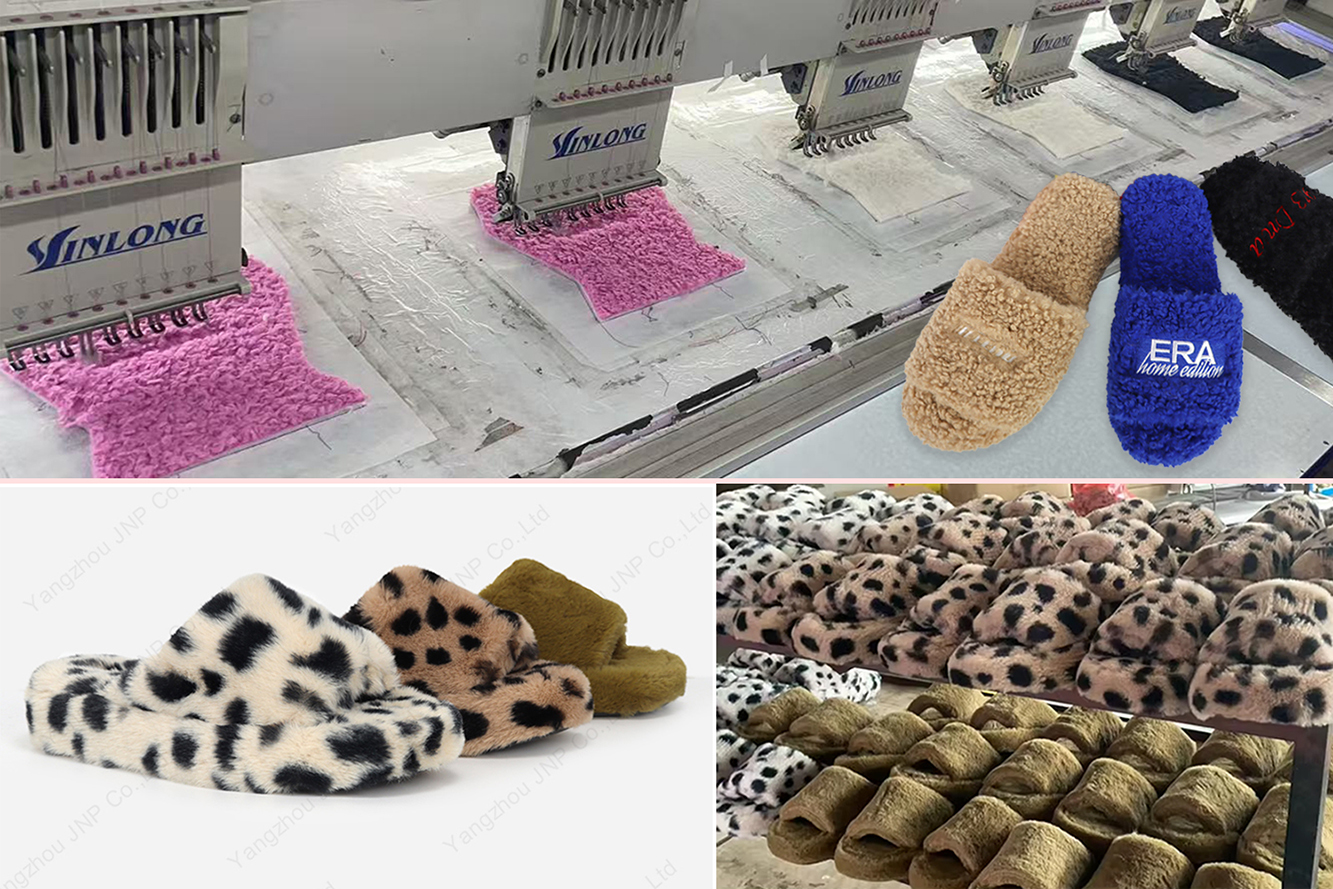
Finding a slipper supplier for your trendy brand feels like searching for a unicorn. Small orders? Fast turnaround? Custom branding? Most factories say no. But the right partner makes your vision real, on time and with your style.
Why do trendy brands struggle with slipper sourcing?
Big factories often reject small orders, and slower suppliers miss trending windows. This puts fast-moving brands at risk of missing sales.
Online trendy brands struggle with suppliers because most factories prefer large orders, and cannot keep pace with fast-changing fashion trends.

When I first worked with an online brand owner, they were frustrated. Their minimum order needs were small—sometimes just 200 pairs to test a new trend. Big factories didn’t want this business. They also needed new colors and logos fast. My company solved this by matching them with small factories skilled in trendy, small-batch production. We cut production times from 60 days to as little as 25.
Here’s how I break this down:
Supplier Comparison for Trendy Brands
| Supplier Type | MOQ | Custom Branding | Turnaround Time |
|---|---|---|---|
| Large Traditional Factory | 2,000+ pairs | Limited | 45–60 days |
| Small Trendy Supplier (like us) | 100–500 pairs | Full Custom | 25–35 days |
| Trading Company | 500–1,000 pairs | Partial | 40–50 days |
Fast fashion is about reacting quickly, and small, agile suppliers win. By working with small factories and optimizing the process, I help brands stay on‑trend and meet market demand without overstocking.
How can custom branding stay affordable with low MOQs?
Custom logos and designs often mean higher costs, especially for small runs. But smart production and reusable molds make it possible.
Smart use of reusable molds3, digital heat transfer printing4, and flexible material sourcing keeps custom branding affordable even for low-quantity slipper orders.
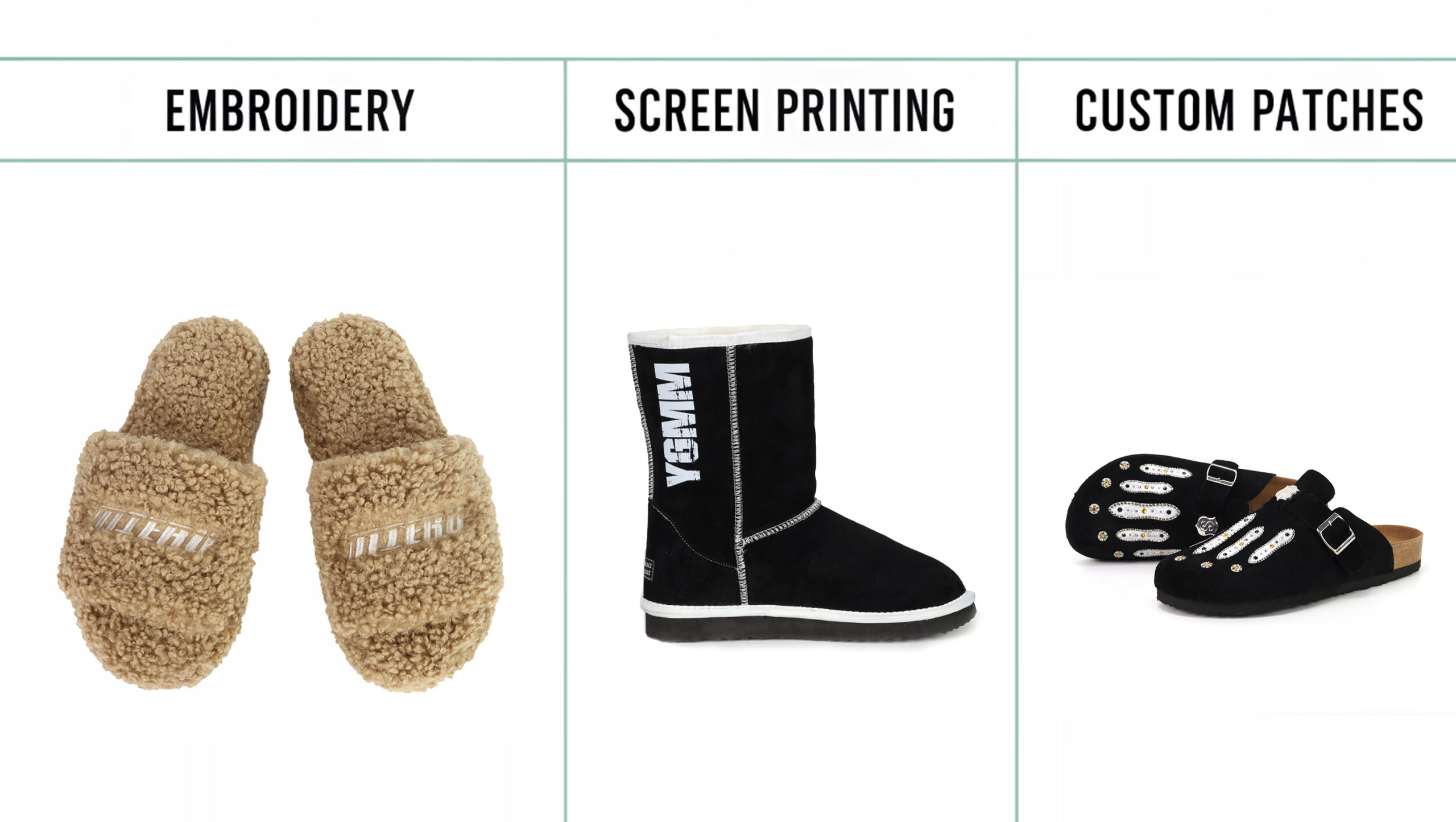
One online brand I worked with asked for their logo in four colors across three slipper styles. Normally, a factory would charge separate mold fees for each color. I connected them with a factory using digital heat transfer printing. This cut setup costs and let them switch colors easily. They only paid for the logo print, not new molds.
Let’s look at the typical cost differences:
Custom Branding Cost Breakdown (Example)
| Production Method | Setup Cost (USD) | MOQ | Customization Limit |
|---|---|---|---|
| Mold Injection Logo | 300+ | 1,000 | Single color mold |
| Heat Transfer Printing | 50–100 | 200 | Multi‑color prints |
| Embroidery | 80–150 | 300 | Single/multi‑color |
Using the right process means you pay for your creativity, not for waste. I always help my clients choose the most cost‑efficient method based on their quantity and brand style.
Can fast turnaround and low MOQs also mean good quality?
Many brands think small orders mean cutting corners. But small factories focused on fashion trends often maintain strict quality for brand reputation.
Small‑batch trendy suppliers can maintain good quality by partnering with audited factories5 and using eco‑friendly, tested materials6.

When I match a brand with a factory, I don’t just ask about capacity. I ask for their audit reports and material testing compliance. Some of my partner factories have been with me for over 16 years. We work together to balance speed and quality. For instance, we use recycled faux fur7 and eco‑certified outsoles8 that meet EU and US standards.
Here’s how I compare quality focus:
Quality Factors in Fast Slipper Production
| Factory Type | Material Compliance | Quality Control | Experience with Trends |
|---|---|---|---|
| Large Factory | High | High | Low |
| Small Trendy Factory | Medium–High | Medium–High | High |
| Unverified Supplier | Unknown | Low | Unknown |
Working fast doesn’t mean being careless. I keep quality on track while moving quickly to market.
Conclusion
Low MOQ and fast turnaround slippers help trendy online brands test ideas quickly, stay on trend, and grow without big inventory risks.
Footnotes
-
Inquiry to define "low MOQ" typical thresholds and why it matters for small brands. ↩
-
Explanation of what “customizable designs” include and why it benefits brand identity. ↩
-
Details on reusable molds in footwear production for cost efficiency. ↩
-
Benefits of digital heat transfer printing vs traditional mold-based methods. ↩
-
What constitutes an audited factory and why audits matter for quality control. ↩
-
Definition and examples of eco‑friendly, tested slipper materials. ↩
-
Context on recycled faux fur—materials, sourcing, environmental impact. ↩
-
What "eco‑certified outsoles" are and relevant EU/US compliance standards. ↩