
Feeling lost with all the customization options for sheepskin boots1? You’re not alone — too many choices can make the process feel overwhelming.
The best way to design your perfect pair of custom sheepskin boots is to start with comfort, define your personal style, and select materials and details that reflect your daily lifestyle and local climate.
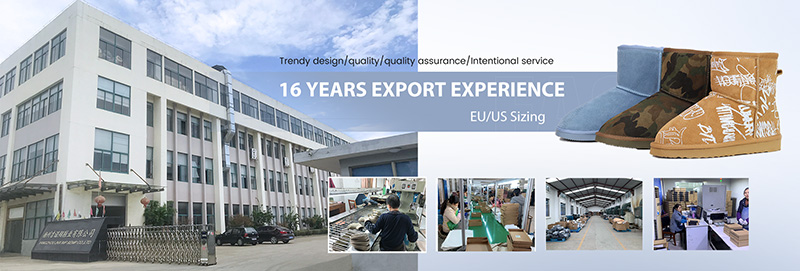
When I first started helping clients design custom boots at Yangzhou JNP2, I noticed that most didn’t know where to begin. They had a vision, but the technical details — materials3, linings, colors — made things confusing. Over time, I learned that guiding them step by step created better results. Let me show you the same process.
What makes a good pair of sheepskin boots?
Many people think good boots just mean soft and warm. But true comfort is about more than the sheepskin quality4 alone.
A good pair of sheepskin boots balances comfort, breathability, and durability. Choose high-quality twin-face sheepskin and a well-constructed outsole5 that matches your usage.
Dive Deeper: Understanding materials and structure
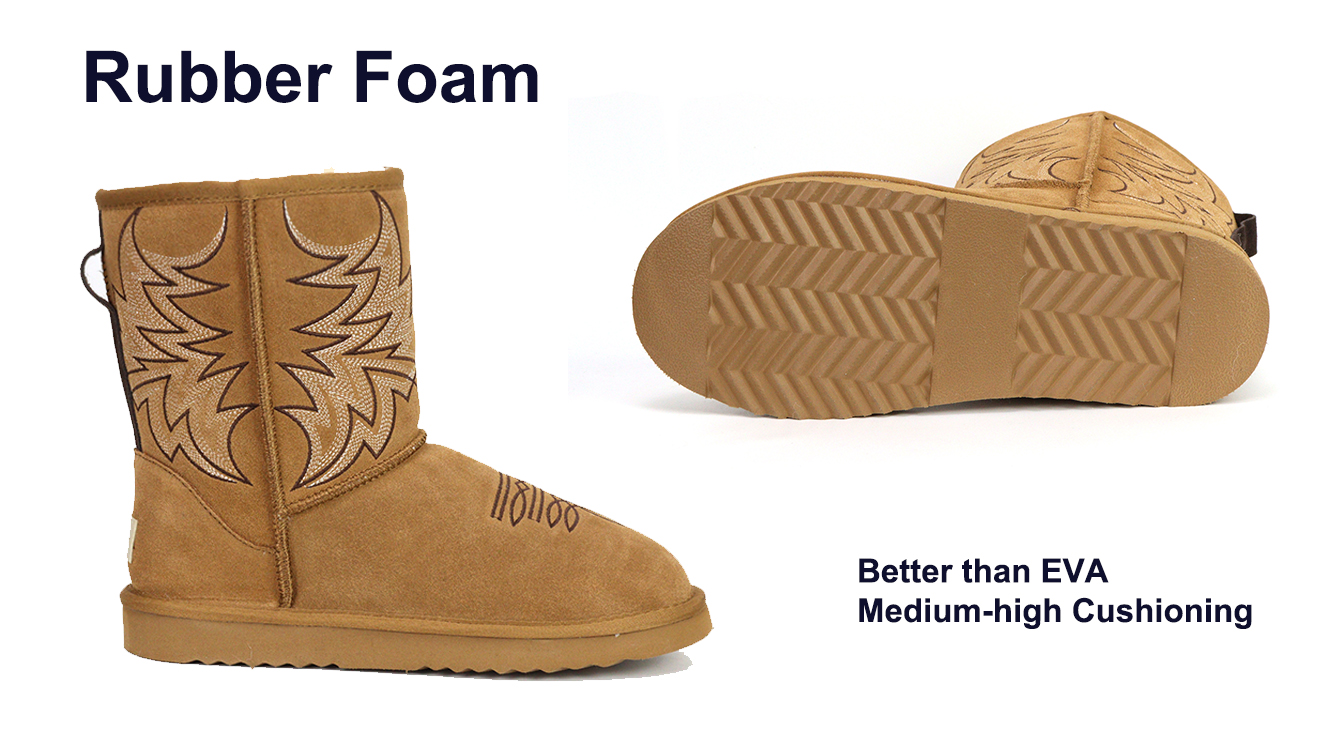
Good materials define how your boots feel and last. Twin-face sheepskin means both the wool and hide come from the same piece — it’s naturally warm and breathable. Some brands use split sheepskin6, which feels similar but wears out faster.
When choosing an outsole, think about where you’ll wear them most. A TPR7 or EVA8 outsole works well for indoor or light outdoor use, while rubber9 is better for slippery or wet surfaces.
Here’s a quick reference:
| Feature | Option | Best For |
|---|---|---|
| Sheepskin Type | Twin-face | Premium comfort, longer wear |
| Sheepskin Type | Split | Lower cost, indoor wear |
| Outsole | TPR/EVA | Lightweight, flexible use |
| Outsole | Rubber | Durable, outdoor conditions |
I always advise my buyers from Australia and New Zealand10 to match outsole type to local seasons. Their customers expect both warmth and grip on damp mornings — so a durable rubber sole wins.
How do you choose the perfect color and style?
Picking a color sounds simple, but it sets the tone for your entire design. A wrong shade can make even premium boots look cheap.
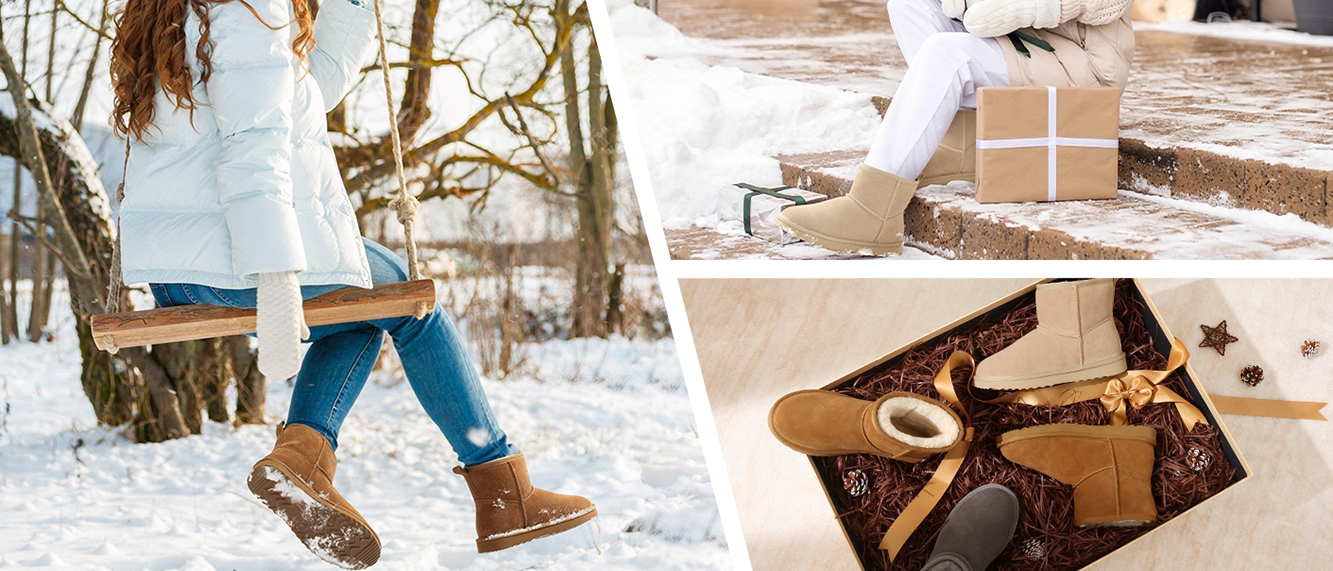
Start with a neutral base color that fits your wardrobe and season. Then, add unique details like stitching color11, buttons, or trims to make it personal.
Dive Deeper: Matching design to your brand or personality
When I design for brands like Rural, a trendy U.S. label, I often combine neutral bases like sand or chestnut with bright trims or custom logos12. It gives a clean yet recognizable look.
Color psychology13 matters too — light beige feels cozy, black looks elegant, and grey suits modern minimalist brands. For logo placement, consider back heels or side panels for visibility.
| Design Element | Effect | Tips |
|---|---|---|
| Base Color | Defines mood | Keep neutral for versatility |
| Trim Color | Adds contrast | Use your brand color |
| Stitching | Adds subtle detail | Contrast stitching stands out |
| Logo Placement | Brand identity | Side or heel placement works best |
By visualizing your design early — even with simple sketches — you make communication with the factory14 smoother and reduce sampling errors.
What customization details make your boots stand out?
Customization is where creativity shines, but overdoing it can ruin the design’s balance.
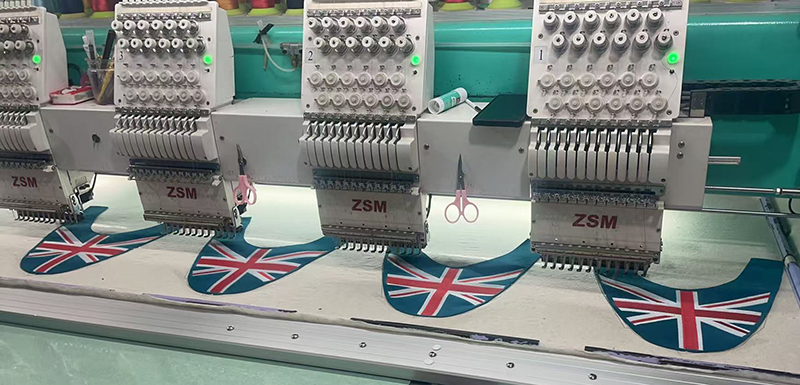
Focus on 2–3 signature details that align with your lifestyle — such as logo embossing15, custom packaging, or a unique shape around the ankle or cuff.
Dive Deeper: Balancing design and production practicality
One of my clients from a designer brand in the U.S. once wanted metallic buckles, printed lining, and colored soles — all in one model. While it looked exciting on paper, production became complex and costly.
I later suggested focusing on one strong feature: a silver embroidered logo with matching lining. It simplified production and still looked premium.
Here’s how I balance customization:
| Detail Type | Impact | Production Difficulty | Suggestion |
|---|---|---|---|
| Logo Embossing | Strong branding | Low | Highly recommended |
| Metal Accessories | Visual impact | Medium | Use sparingly |
| Printed Lining | Hidden charm | High | For limited editions |
| Custom Packaging | Brand story | Low | Great for gift series |
Less is often more. A clean design helps the sheepskin’s natural texture stand out, which most buyers love.
How do you make sure the factory gets your design right?
Even perfect designs can fail if communication16 breaks down during production.
Always send clear design files, material samples17, and written confirmations for every detail before production begins.
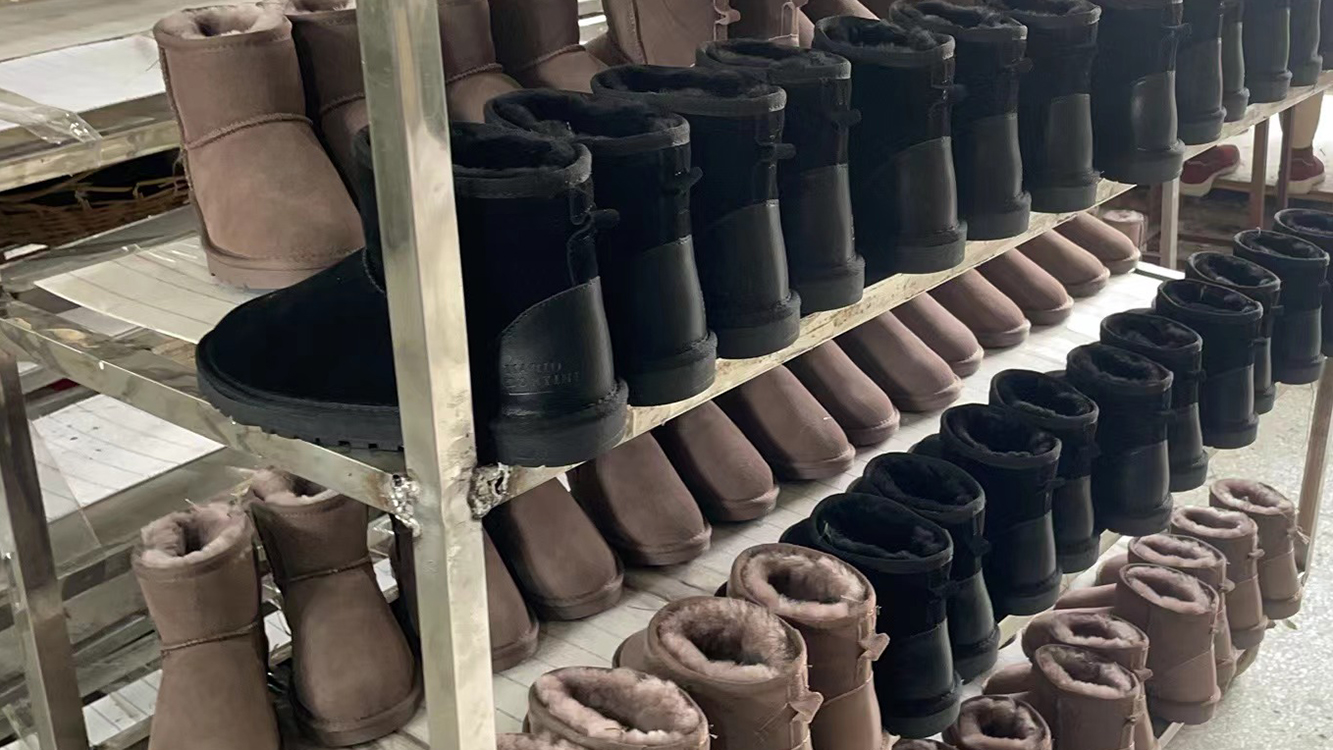
Dive Deeper: Working smoothly with manufacturers
At JNP, many of our buyers face similar challenges — high SKU counts, mixed materials, and tight deadlines. That’s why we’ve built SOPs18 for sampling, confirmation, and pre-production checks.
Here’s my process:
- Receive design draft or photo.
- Provide material suggestions and cost range.
- Confirm design mockup digitally.
- Produce a sample.
- Confirm sample, packaging, and labeling before mass production.
For small brands, clear and timely feedback is key. Delays usually happen when design details change mid-process. I often tell clients, “Lock your final version before we cut the first pattern.”
Conclusion
The perfect custom sheepskin boots come from simple ideas done with care — quality materials, thoughtful colors, and clear communication with your maker.
Footnotes
-
Learn what customization options are available for sheepskin boots to help narrow down your design decisions. ↩
-
Visit Yangzhou JNP to explore professional guidance for custom sheepskin footwear production. ↩
-
Understand the different materials used in custom boots, such as leather types and linings. ↩
-
Explore how sheepskin quality affects comfort, durability, and insulation performance. ↩
-
Learn about outsole construction and its effect on grip and durability. ↩
-
Compare twin-face and split sheepskin to choose the right balance between cost and longevity. ↩
-
Discover the properties of TPR soles and why they’re used in footwear manufacturing. ↩
-
Learn why EVA soles are preferred for lightweight and flexible designs. ↩
-
Understand the advantages of rubber soles for outdoor and wet conditions. ↩
-
Study seasonal footwear preferences in Australia and New Zealand to tailor your product designs. ↩
-
Explore creative ways to use stitching color to highlight craftsmanship. ↩
-
Learn how to apply custom logos and branding to footwear for better recognition. ↩
-
Understand the basics of color psychology in fashion and how it influences perception. ↩
-
Tips for smoother communication and production alignment with your factory partners. ↩
-
Learn how logo embossing enhances brand value without complicating production. ↩
-
Discover best practices for communication between designers and manufacturers. ↩
-
Learn how to prepare and send material samples for accurate production results. ↩
-
Understand how standard operating procedures (SOPs) improve production efficiency and reduce errors. ↩