
Are you tired of selling the same fluffy slippers as everyone else? You want your brand to stand out. You want your logo, your colors, your story. But you do not know where to start.
To customize fluffy faux shearling slippers, I first confirm the target market and price level, then choose materials and colors, add logo methods like embroidery or woven labels, and finish with branded packaging. I always balance MOQ, cost, and production time to fit my client’s sales plan.
I have helped many brand owners turn a simple slipper into a branded product. I will walk you through each step. You will see that customization is not complex when the process is clear.
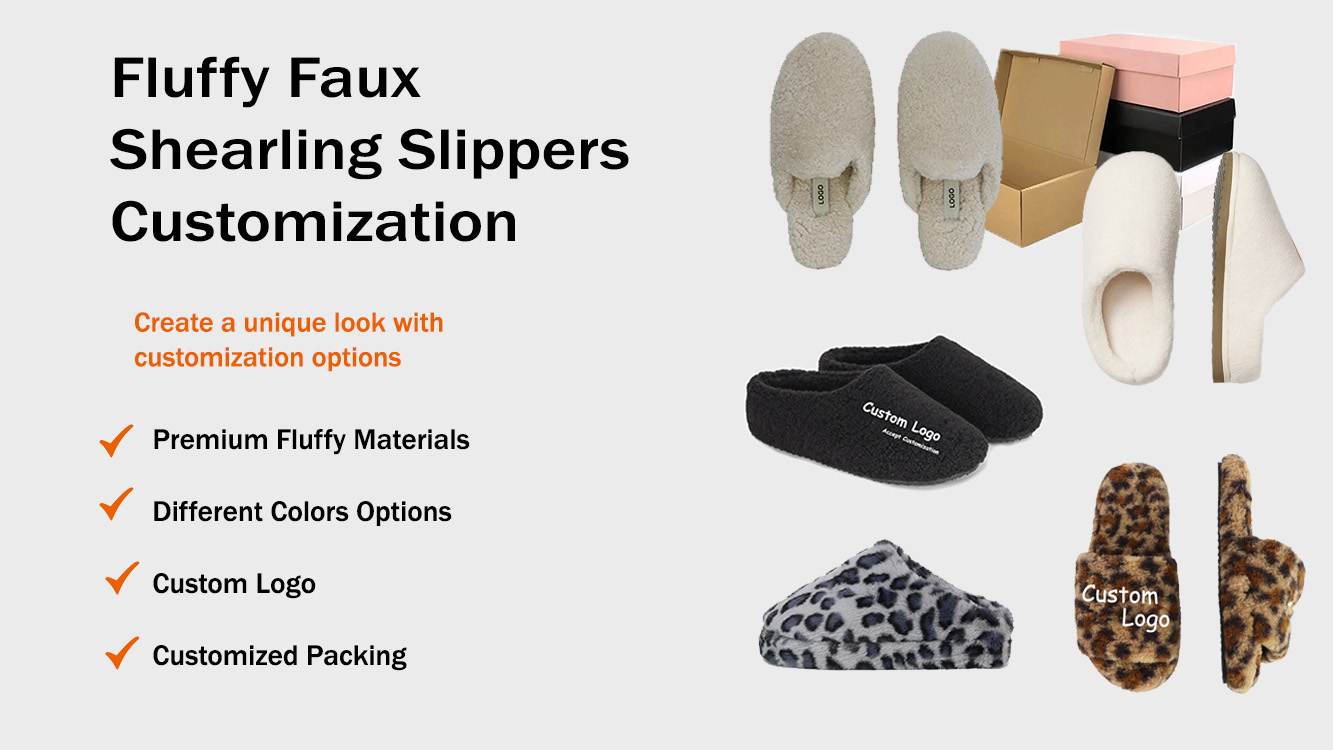
How Do I Choose the Right Faux Shearling Material and Structure?
Many buyers focus only on the look. They forget about structure and comfort. This leads to high returns and bad reviews.
I choose faux shearling1 based on pile length, density, backing quality, and sole structure. I match the material to the target price and market. Soft touch, stable stitching, and durable outsoles are key for repeat orders.
When I work with clients from the USA or Australia, I first ask about their target retail price. This tells me what level of material we should use. Faux shearling is not just “fluffy fabric.” It has many grades.
1. Key Material Factors I Always Check
| Factor | What I Check | Why It Matters |
|---|---|---|
| Pile Length | 8mm, 10mm, 15mm | Affects warmth and visual effect |
| Density | Thick or loose | Impacts comfort and durability |
| Backing | Knitted or woven | Determines stability |
| Color Fastness | Lab test reports | Prevents fading problems |
I also decide the slipper structure. Some customers want closed toe mule style. Some want cross-band open toe. I look at trending styles in markets like the USA and Europe. I then match the upper with a TPR sole2 or EVA sole.
For colder markets like New Zealand, I often suggest thicker insoles. For younger brands, I suggest lighter soles to reduce shipping cost.
I always tell my clients that comfort is the base. Logo and packaging come later. If the product feels cheap, no branding can fix that.
What Are the Best Ways to Add My Logo on Fluffy Slippers?
Many buyers worry that logos will look messy on fluffy material. They are right to worry. Not every logo method works on faux shearling.
I usually recommend embroidery, woven labels, PVC patches3, or embossed logos on the sole. I choose the method based on logo complexity, budget, and minimum order quantity.
From my experience with designer brands, logo placement changes the whole feeling of the slipper.
1. Common Logo Methods I Use
Embroidery
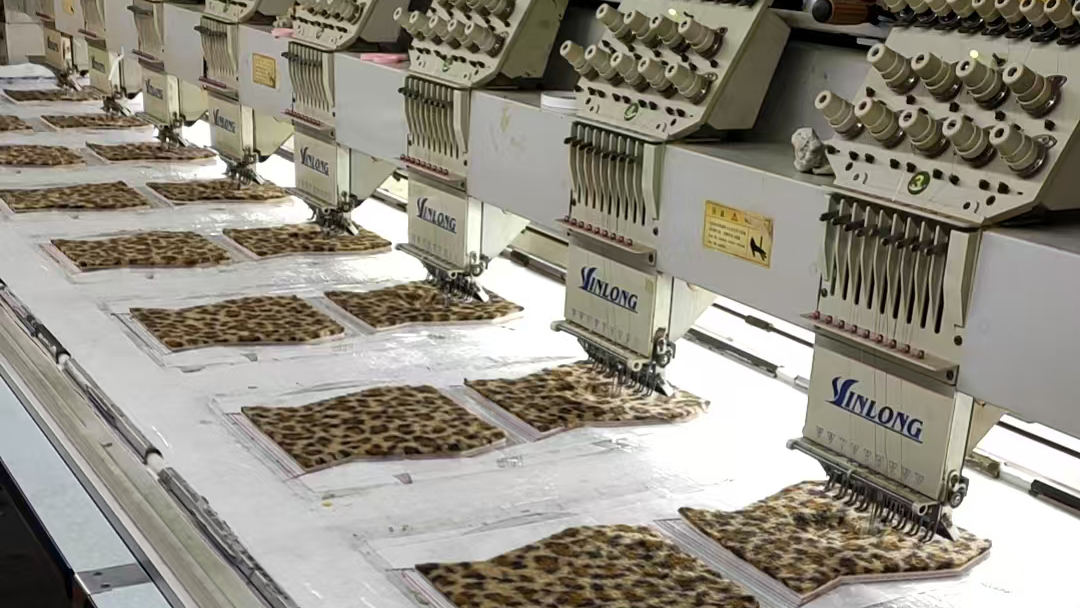
- Best for simple logos
- Strong brand feeling
- Works well on straps or upper panels
Woven Label
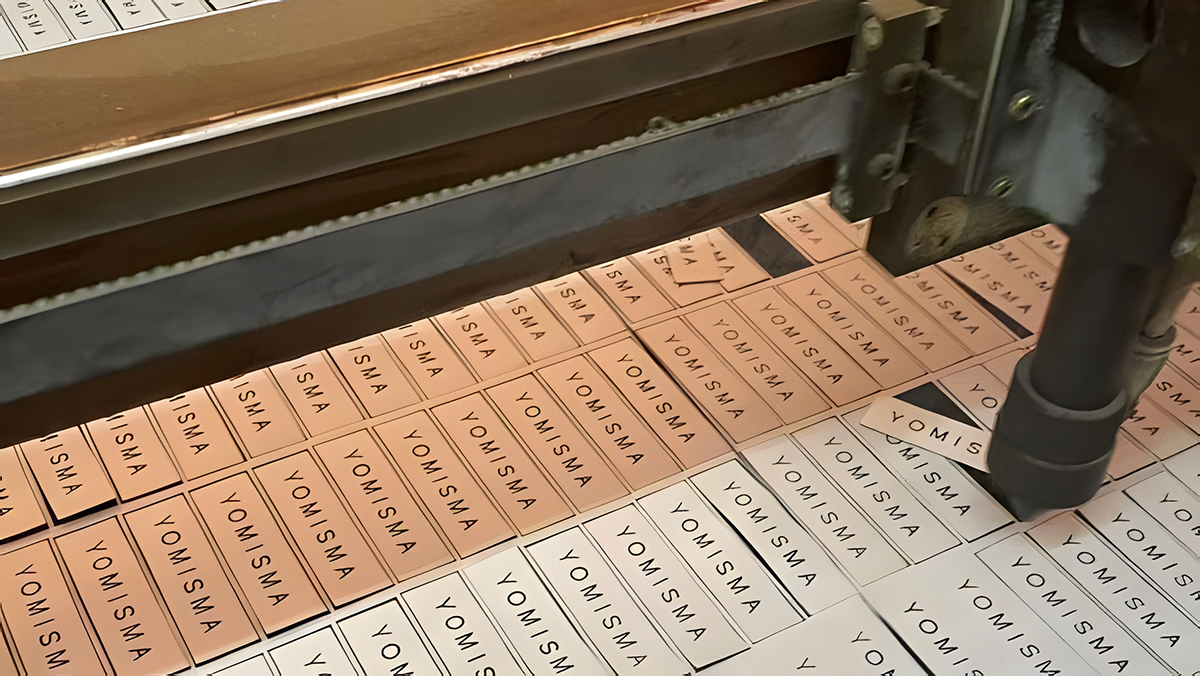
- Sewn on side or insole
- Clean and low cost
- Good for small MOQ orders
Sole Embossing
- Logo on outsole
- Subtle branding
- No impact on upper appearance
Sampling always solves doubts.
How Can I Customize Colors to Match My Brand Identity?
Color is emotional. Many buyers choose safe colors like beige or black. But strong brands use signature colors.
I match slipper colors to brand Pantone codes4. I confirm dyeing options, minimum quantity per color, and color consistency. I always request lab dips5 before bulk production.
Faux shearling can be dyed in many colors. But each factory has dyeing minimums. I explain this clearly to clients before they confirm.
1. My Color Customization Process
- Client provides Pantone code.
- Factory prepares lab dip.
- Client approves physical swatch.
- Bulk dyeing starts.
- Random inspection during production.
I learned that too many colors increase inventory pressure. So I always discuss SKU strategy with my clients. I do not just sell slippers. I help them reduce risk.
What Packaging Options Make My Slippers Look Premium?
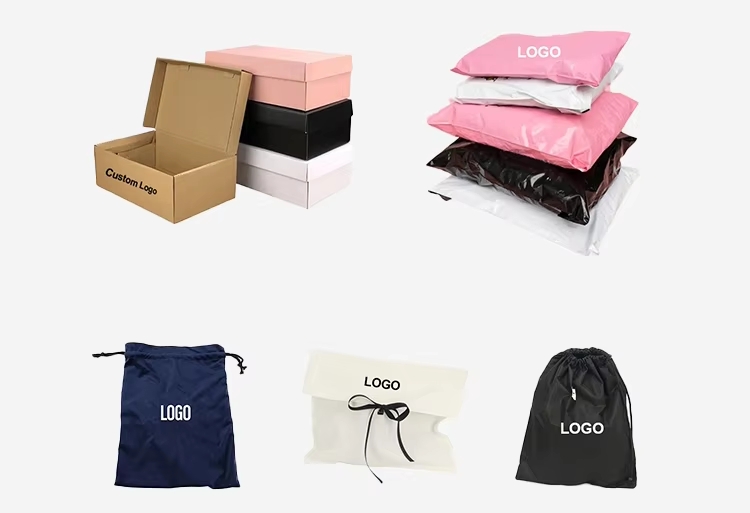
Many buyers ignore packaging at the start. But packaging is the first thing customers see. It affects unboxing photos and social media sharing.
I offer custom shoe boxes, dust bags, barcode stickers, and eco-friendly packaging6. I design packaging based on shipping method, retail channel, and brand positioning.
For B2B wholesale clients, I often suggest strong export cartons with simple inner packing. For online brands, I recommend custom printed boxes.
For eco-friendly brands, I suggest recyclable paper and soy ink printing. For large distributors, I reduce packaging cost to protect margin.
Good packaging tells your brand story before the customer even touches the slippers.
Conclusion
I customize fluffy faux shearling slippers step by step, from material to logo, color, and packaging. Clear planning helps brands control cost, reduce risk, and build strong identity.
Footnote
-
Faux shearling is a synthetic fabric designed to imitate real shearling wool, offering warmth and softness at a lower cost and with easier maintenance. ↩
-
TPR (Thermoplastic Rubber) and EVA (Ethylene Vinyl Acetate) are common outsole materials. TPR offers durability and anti-slip performance, while EVA is lightweight and flexible. ↩
-
PVC patches are molded rubber-like logo patches made from polyvinyl chloride, often used for modern, durable branding on footwear and apparel. ↩
-
The Pantone Color System is a standardized color matching system used worldwide to ensure color consistency across different manufacturers and materials. ↩
-
A lab dip is a small dyed fabric sample created for color approval before bulk textile production begins, ensuring accurate shade matching. ↩
-
Eco-friendly packaging refers to sustainable packaging materials such as recyclable paper, biodegradable bags, or soy-based ink printing that reduce environmental impact.