Cold weather makes people look for comfort, but picking the wrong supplier often leads to delays, poor quality, or wasted costs.
To choose the right winter fluffy faux shearling slippers supplier, check their experience, factory network, customization ability, compliance certificates, and support for both large and small orders.

When I first looked for suppliers, I thought low price was everything. But I soon learned that the real test was delivery, stable quality, and flexibility. A good supplier can make or break your winter collection.
Why is supplier experience so important?
Many suppliers look good online, but not all can handle complex orders when deadlines are near.
Supplier experience matters because experienced suppliers manage different order sizes, adjust to seasonal demand, and already have stable factory partnerships for consistent production.
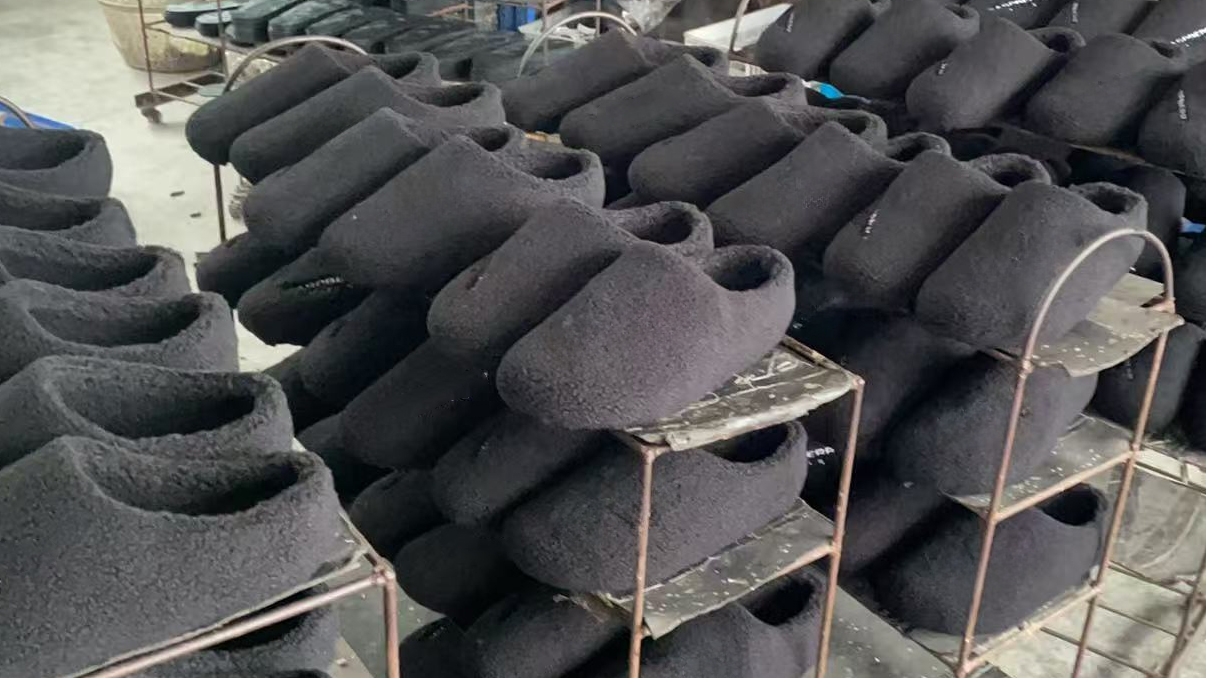
I learned that a supplier with 10+ years of stable partnerships can prevent mistakes. For example, JNP has worked with factories for over 16 years1. That long-term trust means less risk of last-minute problems.
Breaking down supplier experience
| Factor | Why it matters | What to ask suppliers |
|---|---|---|
| Years in business | Shows survival and trust in the market | How long have you worked with your factories? |
| Factory stability | Reduces risk of inconsistent production | Do you rely on one factory or several? |
| Seasonal knowledge | Helps plan winter demands | How do you adjust capacity for peak season? |
How important is customization for winter slippers?
Trends change fast. Without customization, it is hard to stand out in a crowded market.
Customization is key because it allows brands to add unique designs, logos, and eco-friendly materials that connect with their customers and boost brand value.
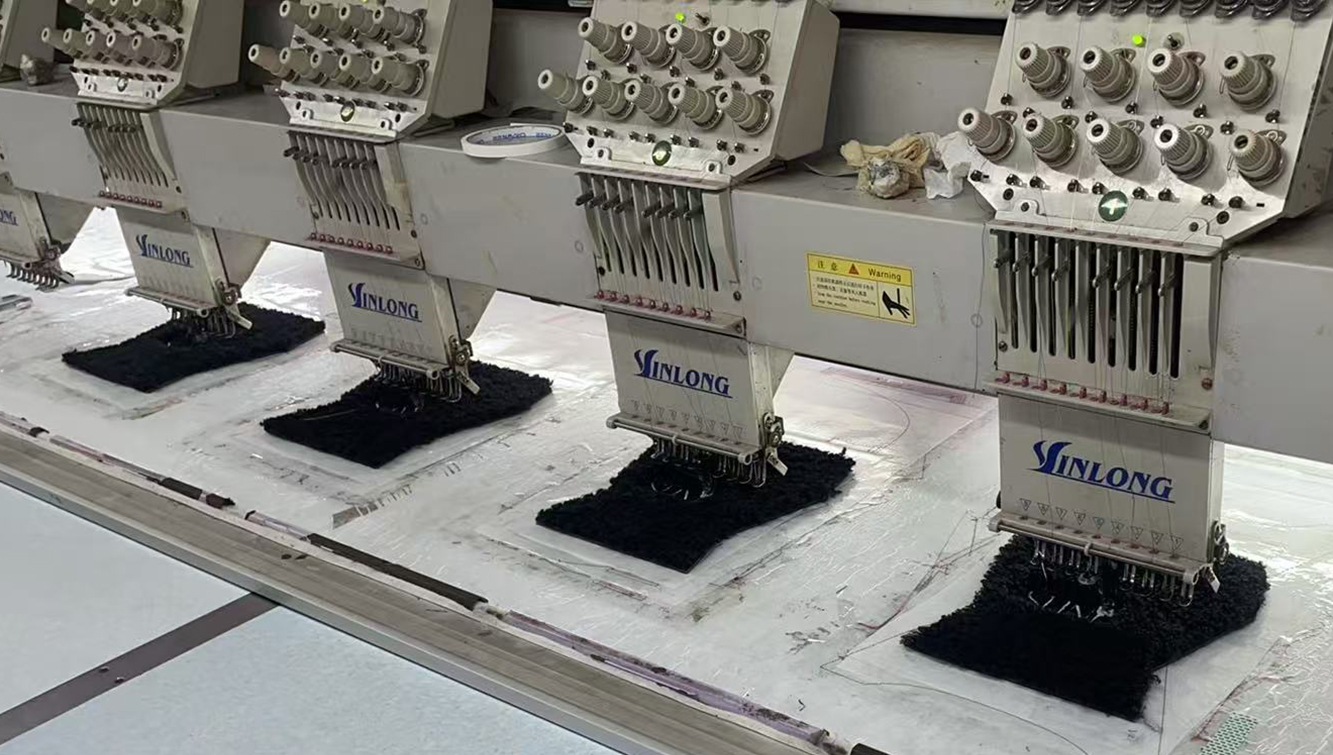
In my experience, buyers from both fashion brands and online stores want custom logos and trending colors. JNP, for example, offers low MOQ for trending styles with custom branding2. That flexibility helps smaller brands grow without risking too much stock.
Customization essentials
| Customization type | Benefit for brand | Key supplier question |
|---|---|---|
| Logo & branding | Builds recognition | Can you emboss or print my logo? |
| Color & material mix | Matches seasonal trends | Do you provide sample swatches? |
| Eco-materials | Attracts eco-conscious buyers | Do you have eco-certificates? |
What role do compliance and eco-certificates play?
Suppliers often claim good quality, but without compliance and testing, shipments can be blocked at customs.
Compliance and eco-certificates matter because they prove that materials meet safety, sustainability, and legal import requirements, protecting both your brand and your customers.
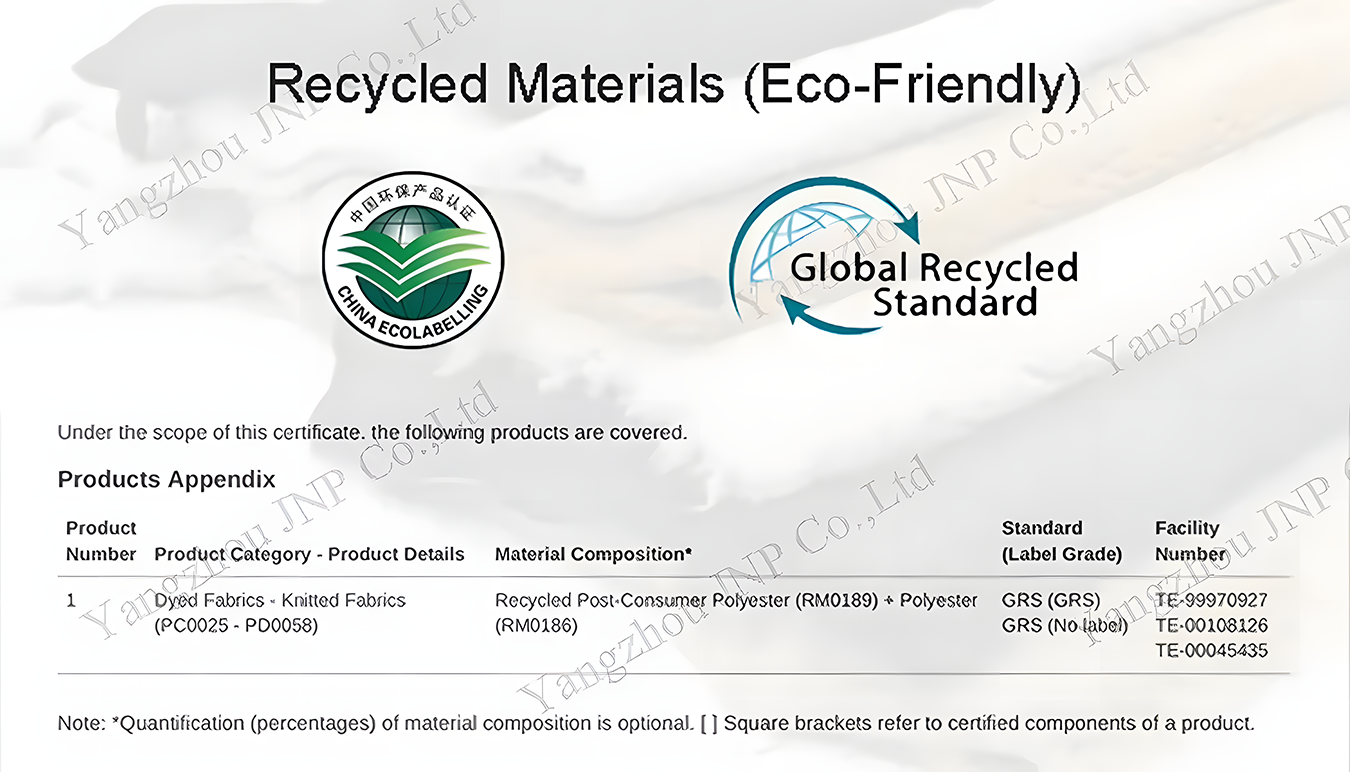
I once had a client whose shipment was delayed because the supplier had no eco-report. Since then, I only trust suppliers who can provide reports upfront. JNP ensures materials meet eco-friendly and testing standards3. This makes importing smoother and keeps brands safe from legal risks.
Key compliance checks
| Compliance area | Why it matters | Example question to ask |
|---|---|---|
| Eco-material reports | Shows care for sustainability | Do you provide material reports? |
| Factory audit reports | Ensures ethical production | Can I see your latest audit? |
| Import safety tests | Avoids customs problems | Which markets do your products already pass? |
Why is order flexibility important when choosing suppliers?
Not every buyer can place huge orders. Small brands need smaller runs, but they still want custom designs.
Order flexibility is critical because it allows both large buyers and smaller brands to order at a scale that fits their business without sacrificing customization or quality.
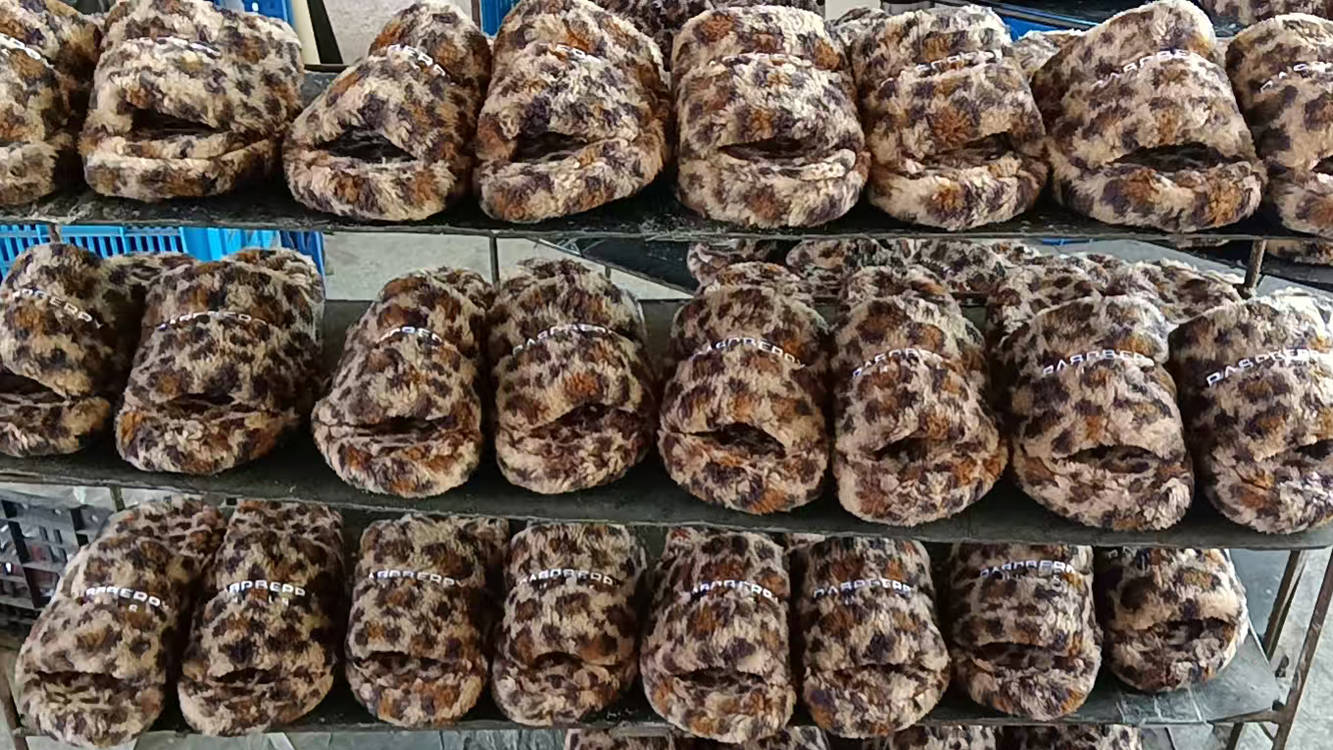
I often see trendy brands struggle because suppliers refuse small orders. But JNP provides small-batch customization and large runs4 for established brands. This balance means new brands can test styles while big ones can scale up smoothly.
Order flexibility breakdown
| Order type | Benefit to buyer | Supplier question |
|---|---|---|
| Low MOQ orders | Helps small brands start | What is your minimum order? |
| Bulk orders | Meets large buyers’ demand | How do you handle peak volume? |
| Mixed SKUs | Supports variety in collections | Can I combine styles in one order? |
Conclusion
The right supplier combines experience, customization, compliance, and flexibility, ensuring comfort for customers and peace of mind for buyers.
Footnotes
-
Explains how JNP’s 16+ years of cooperation with factories reduces production risks and ensures stability. ↩
-
Shows why low minimum order quantity with customization is critical for smaller brands wanting to grow. ↩
-
Clarifies why eco-certificates and compliance reports are important to avoid customs issues and ensure sustainability. ↩
-
Explains how suppliers supporting both small and bulk orders benefit both startups and established brands. ↩