
Suede clog slippers are soft, stylish, and cozy—but they’re also delicate. Without the right care, they can wear out or stain quickly.
To care for suede clog slippers, brush them regularly with a suede brush1, keep them dry, use a protective spray2, and clean stains with white vinegar3 or a suede eraser4.
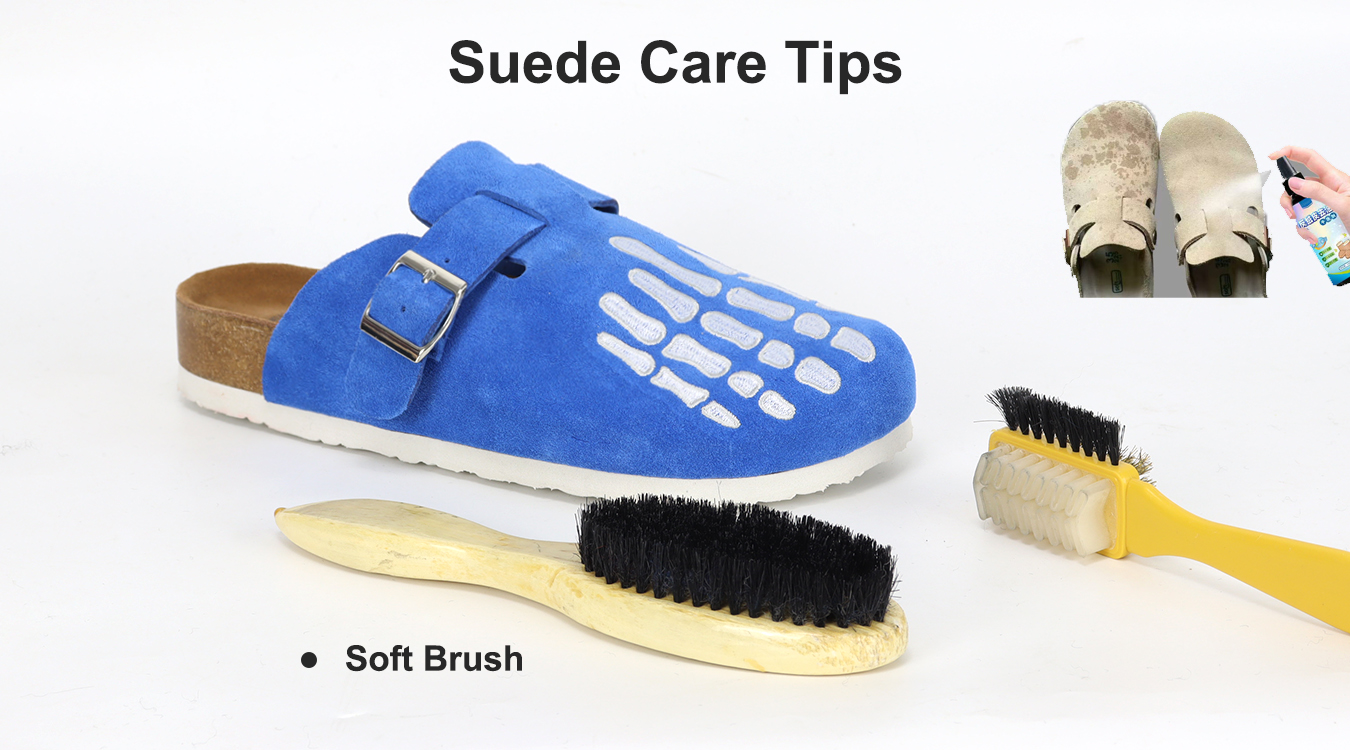
Suede slippers need a little more attention than other shoes. But with simple tools and routines, you can keep them looking fresh for a long time. Here's exactly how I care for mine—and what I recommend to customers who buy from us.
Why Does Suede Need Special Care?
Suede’s soft texture makes it comfortable—but also vulnerable. One wrong step into water or mud can leave a lasting mark.
Suede5 is made from the underside of leather, which gives it its soft texture but also makes it more absorbent and harder to clean than smooth leather.
What Makes Suede Different?
| Feature | Suede | Regular Leather |
|---|---|---|
| Texture | Soft, velvety | Smooth and glossy |
| Water Resistance | Low | Medium to high |
| Cleaning Method | Dry cleaning tools only | Can use mild soap and water |
| Risk of Staining | High | Medium |
The tiny fibers on suede attract dust and oil. That means if you spill something—even just a few drops of tea—it can seep in fast. That’s why I always tell our customers to treat their slippers before the first wear.
How Do You Protect Suede Clog Slippers Before Wearing Them?
It’s tempting to wear new slippers right away. But a quick spray treatment can double their lifespan.
Before first use, spray your suede clog slippers with a waterproof suede protector2 and let them dry for 24 hours to prevent future stains.
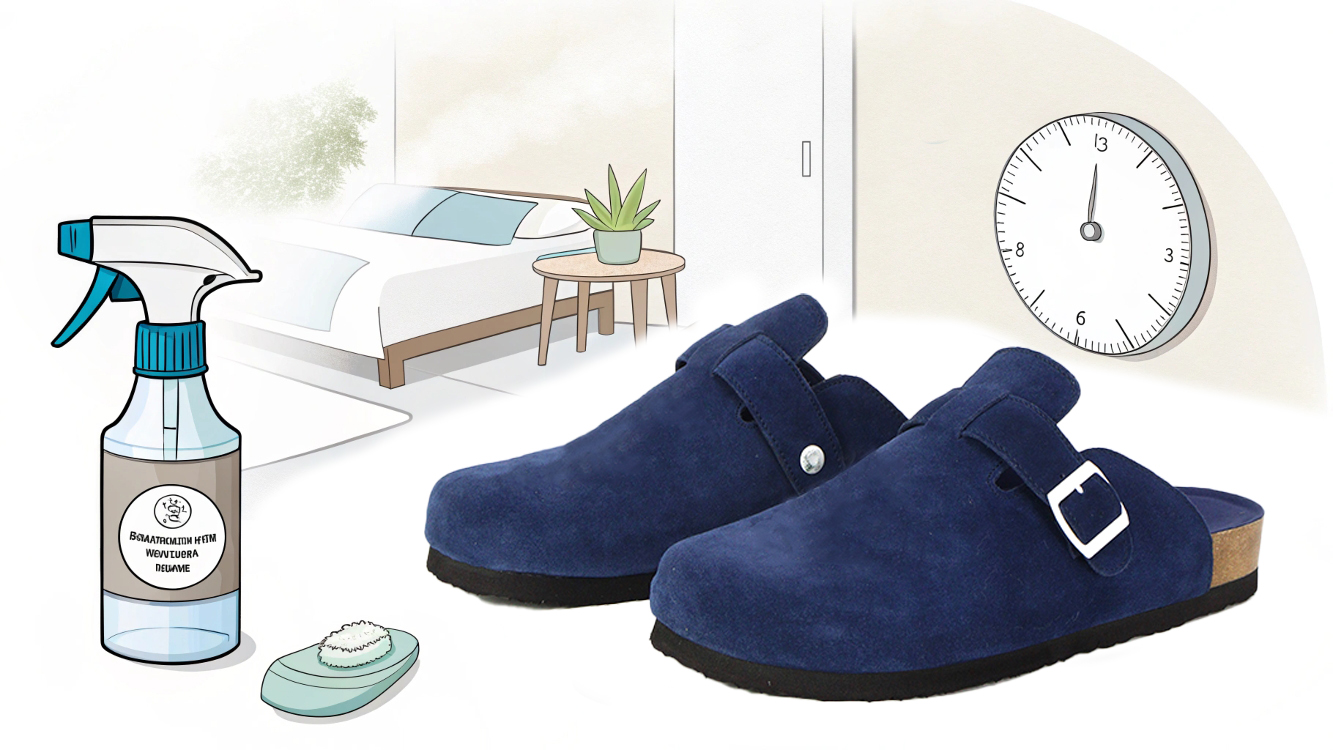
How to Apply Suede Protector Spray
- Take the slippers outside or near a window.
- Hold the spray about 15 cm away from the shoe.
- Spray evenly over the suede surface—don’t soak it.
- Let it dry completely overnight.
- Repeat monthly, especially in wet seasons.
I do this for all our sample pairs before photo shoots. It helps them survive our team’s wear and tear—and also makes it easier to clean later.
How Do You Remove Dirt and Stains from Suede?
Suede doesn’t like water. So you need the right tools to keep it clean without damage.
Use a suede brush1 to remove dry dirt. For stains, gently rub with white vinegar3 or a suede eraser4, then let it air dry.
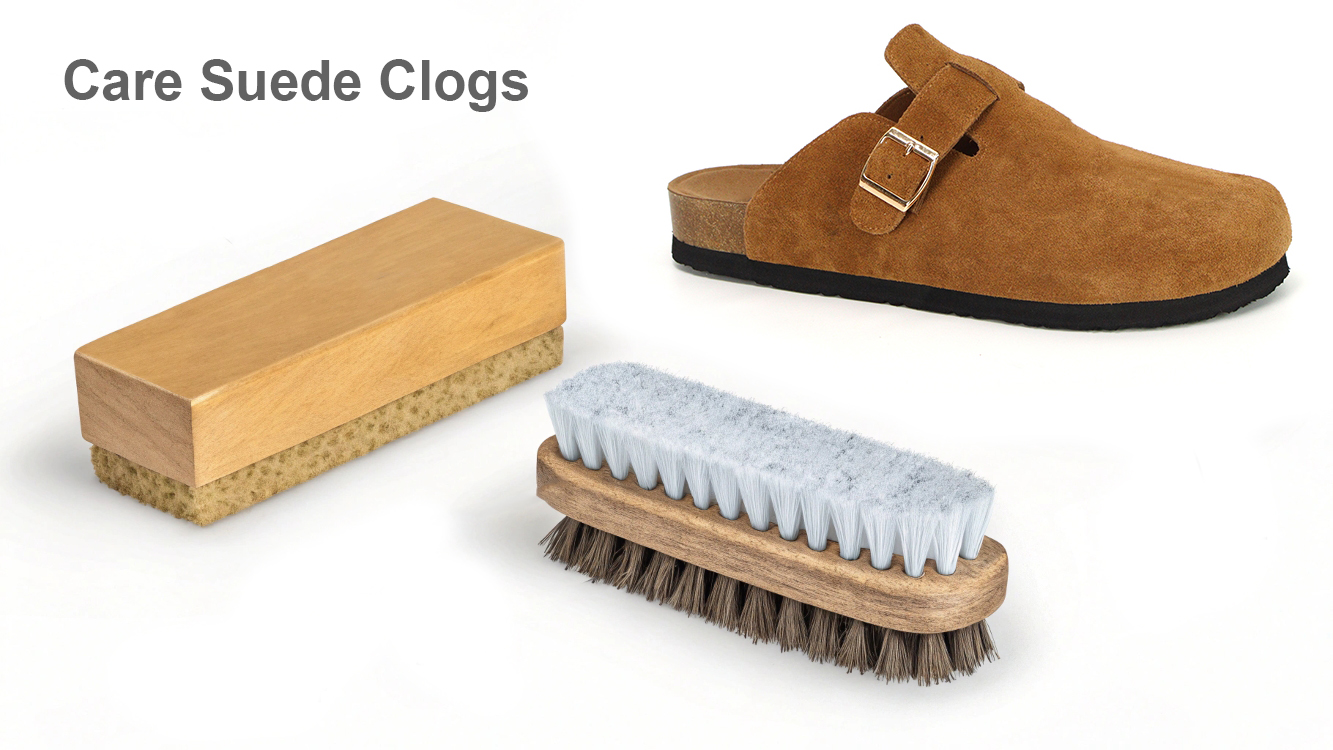
Tools You’ll Need
| Tool | Purpose |
|---|---|
| Suede Brush | Removes surface dirt and dust |
| Suede Eraser | Rubs off small scuffs and spots |
| White Vinegar | Lifts deeper stains (like tea) |
| Soft Towel | Blotting and drying |
If a client sends us a sample that’s stained from a factory floor, I use white vinegar with a cloth. Dab lightly—never scrub—and let it dry overnight. Then I brush it to bring back the texture.
Can You Wash Suede Clog Slippers?
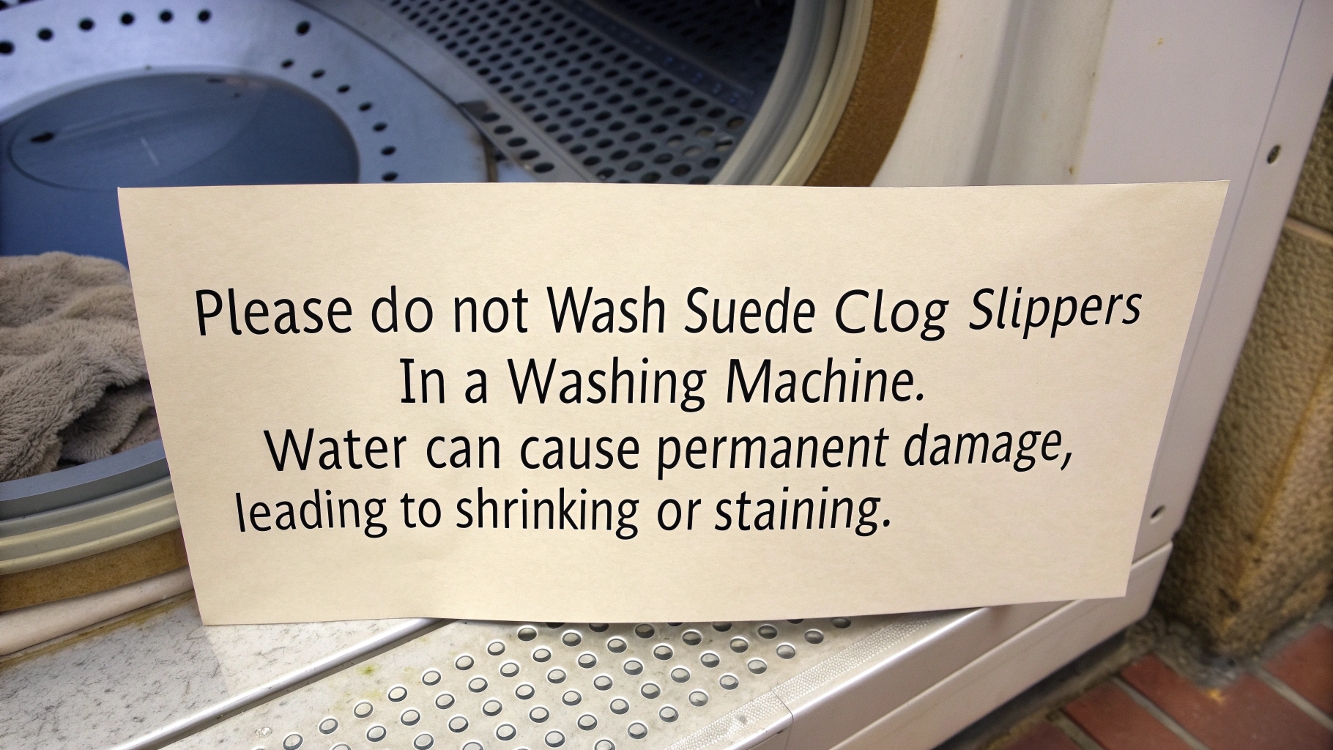
Sometimes people want to toss them in the washer. Please don’t.
No, you should not wash suede clog slippers6 in a washing machine. Water can permanently damage suede, causing it to shrink or stain.
What to Do Instead
If your slippers smell or feel dirty inside, here’s what I recommend:
- Sprinkle baking soda7 inside and let it sit overnight.
- Shake it out and use a handheld vacuum.
- Air dry the slippers in a shaded, ventilated space.
- Never place them near heaters or in the sun.
We’ve had clients accidentally machine wash their samples, which ruined the suede and made them too stiff. It’s best to spot clean and refresh them the dry way.
How Should You Store Suede Slippers?
Suede needs to breathe. If you leave them in a damp or airtight place, mold or smells can build up.
Store suede slippers in a dry, cool place away from direct sunlight. Use shoe bags or cotton covers8 instead of plastic.
Storage Tips
| Don’t Do This | Do This Instead |
|---|---|
| Put them in a plastic bag | Use breathable cotton bags |
| Store near heaters or windows | Keep in a shaded cabinet or closet |
| Stack them under heavy items | Let them rest flat on a shelf |
I learned this the hard way when a batch of winter samples developed mildew after being stored in a plastic box over summer. Now, we keep all seasonal samples in open cotton bins and rotate them every few weeks.
Conclusion
Suede clog slippers need gentle care, but it’s simple once you get the routine down: brush, protect, clean dry, and store smart.
Footnotes
-
Suede brushes are designed specifically to lift dirt from the suede’s nap without flattening or damaging the material. ↩ ↩
-
Suede protector sprays create an invisible waterproof barrier that helps prevent stains and water damage. ↩ ↩
-
White vinegar is an effective natural cleaner for removing organic stains from suede without using water-based products. ↩ ↩
-
A suede eraser works like a pencil eraser to rub out scuffs and small surface marks. ↩ ↩
-
Suede is a type of leather made from the underside of animal skin, making it soft but also more absorbent and sensitive to moisture. ↩
-
Suede clog slippers should not be washed in a machine as the water and agitation can cause irreparable damage. ↩
-
Baking soda naturally absorbs moisture and odors, making it ideal for freshening up the interior of suede slippers. ↩
-
Cotton or canvas shoe bags allow suede to breathe, preventing mold and maintaining its texture over time. ↩