
Suede boots look stylish, but many buyers feel confused when suppliers mention “cow suede1” or just “suede2.” I once faced the same confusion while sourcing materials for a custom boot project.
Cow suede is actually a type of suede made from cowhide3. For custom boots, cow suede is usually the better choice because it is thicker, more durable, and holds the boot shape better than suede from smaller animals.
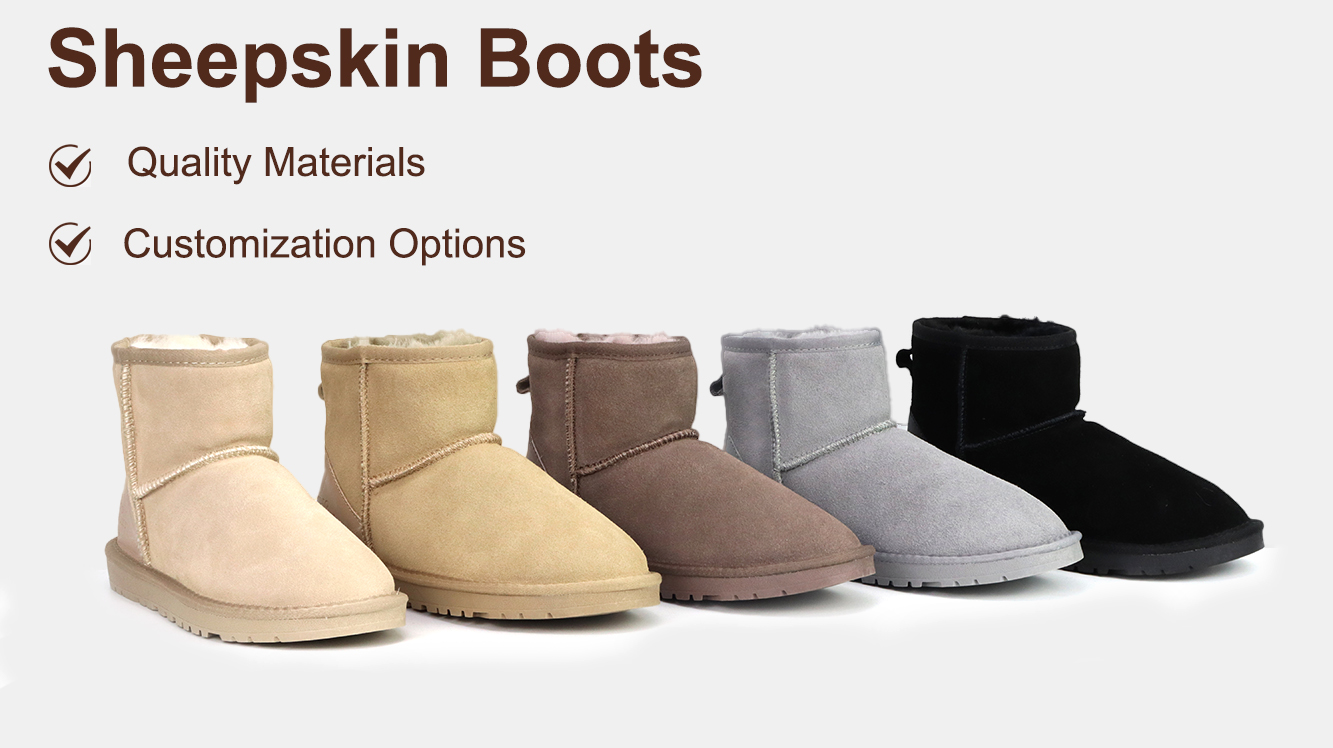
When I first started working with footwear factories4, I noticed buyers often use “suede” as a general word. However, the animal source behind the suede can greatly affect how the boots perform. Understanding this difference helps brands choose the right material for durability, comfort, and style.
What Exactly Is Suede?
Many people think suede is a special material, but it is actually a type of leather5. I remember learning this while discussing materials with a factory technician.
Suede is leather made from the inner layer of animal hide that is sanded to create a soft, fuzzy surface. It is softer and more flexible than regular leather but also less resistant to water and wear.
Understanding How Suede Is Made
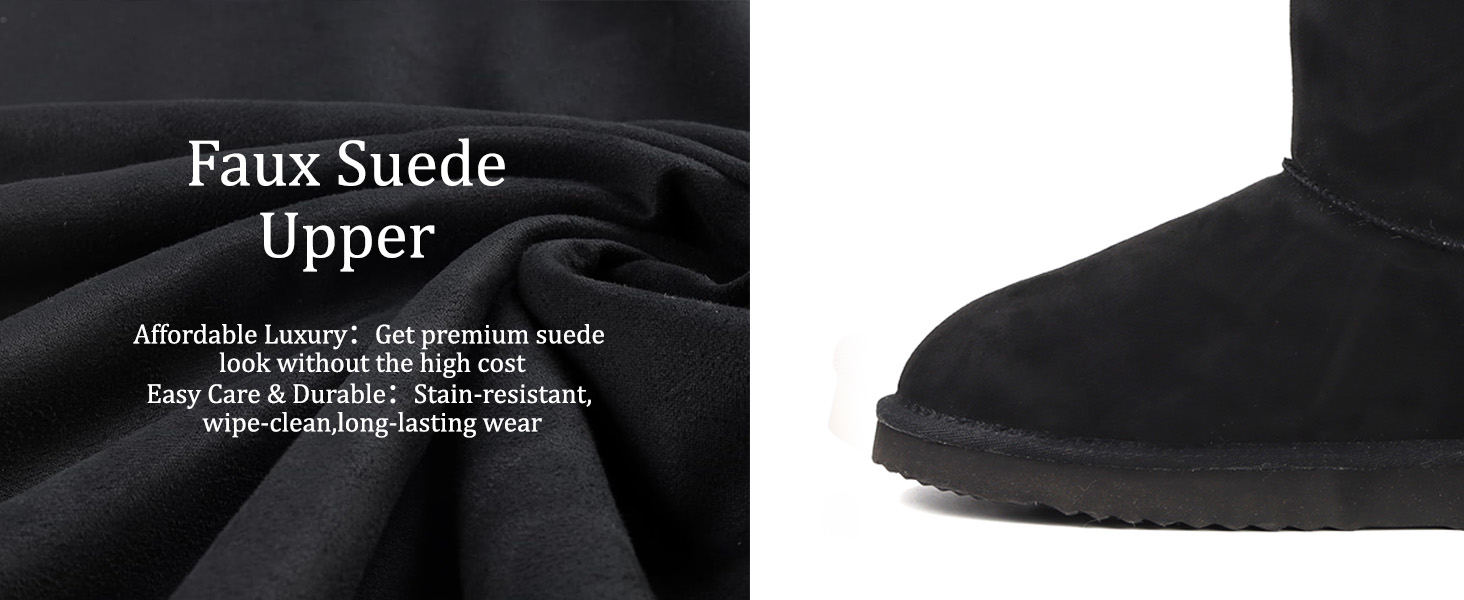
Suede comes from the underside of the leather hide. This layer is softer than the outer grain layer. Manufacturers buff6 this surface to create the signature velvet-like texture.
I often explain suede to new buyers using a simple comparison.
| Feature | Suede Leather | Full Grain Leather |
|---|---|---|
| Surface | Soft and fuzzy | Smooth and polished |
| Flexibility | Very flexible | More structured |
| Durability | Medium | Very high |
| Water resistance | Low | Higher |
Because suede uses the inner layer of the hide, it feels soft and breathable. That is why it works well for casual footwear. However, the lack of the strong outer grain means it cannot resist heavy wear like full-grain leather.
Another thing I learned from working with footwear suppliers is that suede can come from several animals. The most common sources include cow3, lamb7, goat8, and pig hides9. Each source creates a slightly different texture and strength.
This difference is exactly why “suede” alone does not tell the full story when designing custom boots.
What Is Cow Suede?
The term cow suede sounds special, but it simply means suede made from cowhide3. I remember a client once thinking cow suede was a premium upgrade when in reality it was just the standard material used for most suede boots.
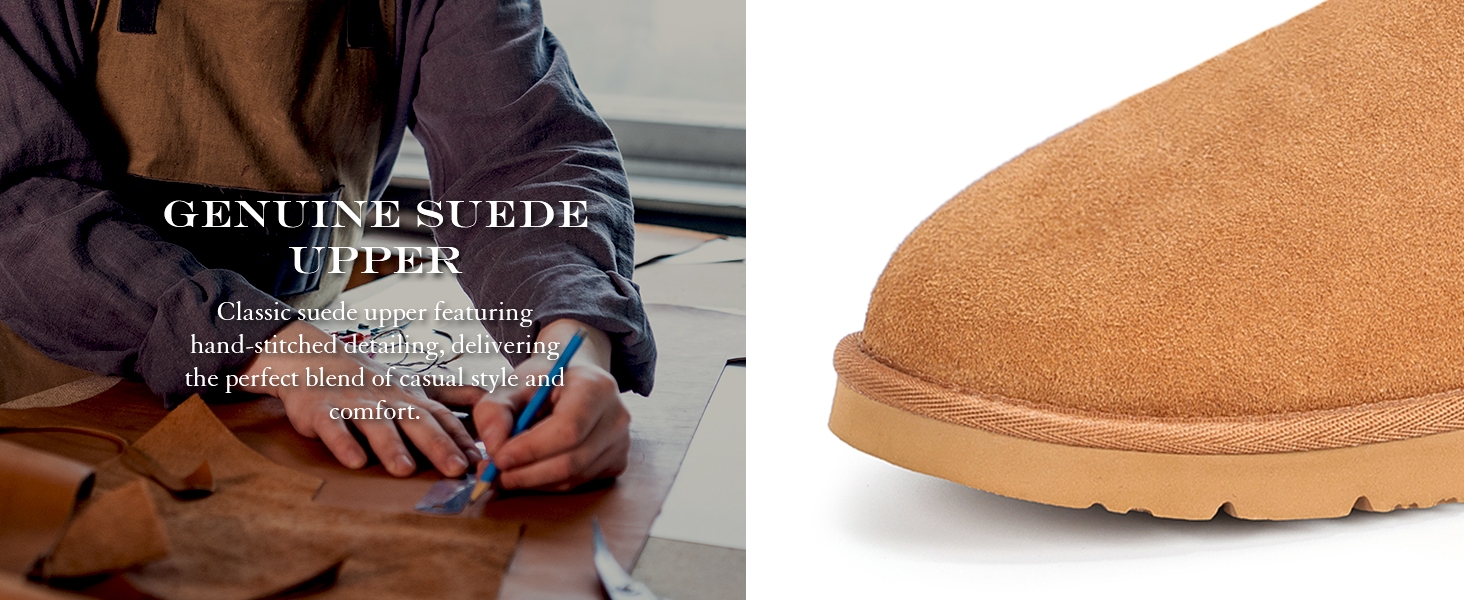
Cow suede is suede produced from cowhide, which is thicker and stronger than suede made from lamb, goat, or pig leather. This makes it more suitable for boots and other durable footwear.
Why Cowhide Makes Better Suede for Boots
Cowhide3 is naturally thicker and tougher than many other animal hides. When suede is made from cowhide, the result is a stronger material that still keeps the soft suede feel.
From my experience working with footwear production4, cow suede offers several practical advantages.
| Advantage | Why It Matters for Boots |
|---|---|
| Thicker fibers | Boots keep their shape better |
| Stronger structure | Better durability for daily wear |
| Larger hides | More consistent material panels |
| Stable surface | Better for stitching and pattern cutting |
Another factor is cost efficiency. Cowhide is widely available in the leather industry because it is a byproduct of the meat industry10. This means factories can produce suede boots at a reasonable price while still keeping good quality.
I once worked on a small custom boot order where the buyer originally wanted lamb suede because it sounded luxurious. After reviewing samples, we switched to cow suede because the lamb material was too soft and thin for structured boots. The final product looked better and lasted longer.
That experience taught me that the right material choice often depends on function, not just appearance.
Which Material Is Better for Custom Boots?
When comparing cow suede and other suede types, the best choice depends on how the boots will be used. I often help buyers evaluate materials based on durability, comfort, and style goals.
For most custom boots, cow suede is the better choice because it balances durability, structure, and cost while still providing the soft suede appearance customers like.
Comparing Different Suede Types for Boots
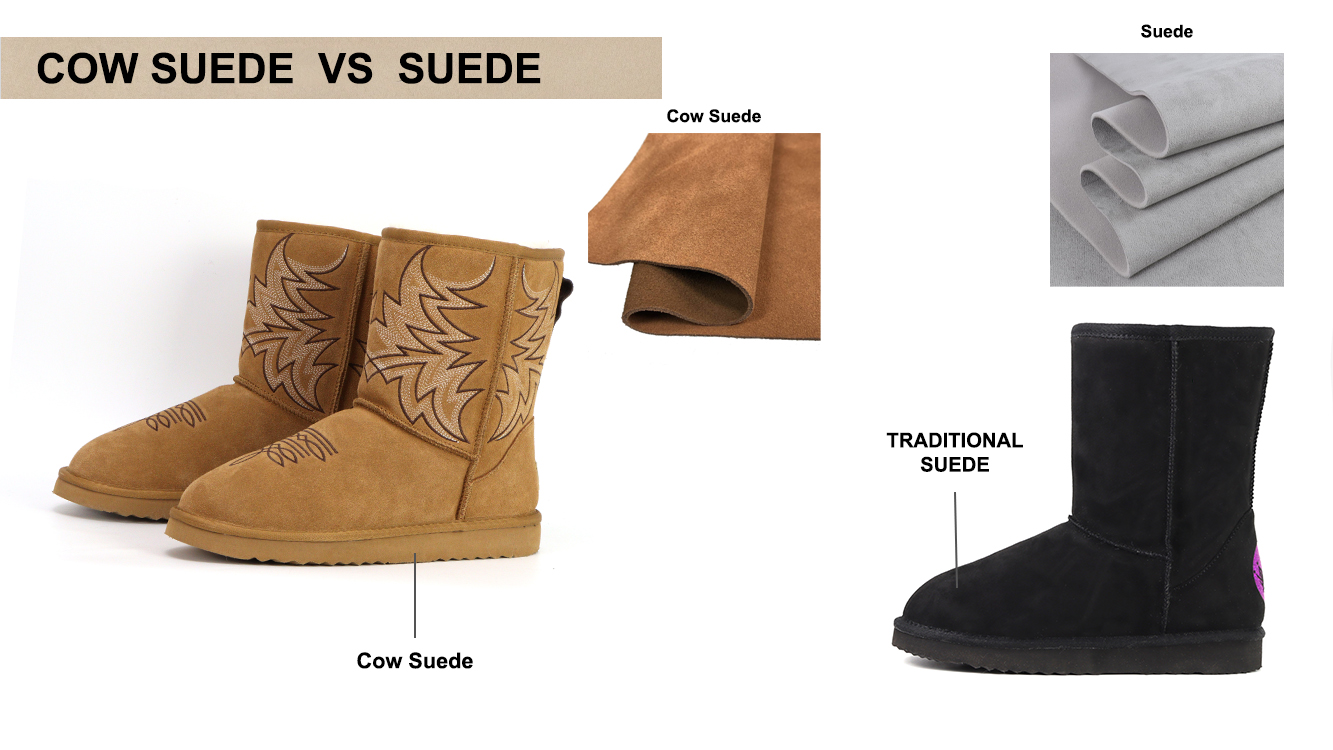
Different suede materials behave differently in footwear manufacturing. I often summarize the differences in a simple table when explaining options to buyers.
| Suede Type | Softness | Durability | Best Use |
|---|---|---|---|
| Cow suede | Medium | High | Boots and shoes |
| Lamb suede | Very soft | Low | Gloves and fashion items |
| Goat suede | Soft | Medium | Casual footwear |
| Pig suede | Rough | Medium | Budget footwear |
For custom boots, the structure of the material matters a lot. Boots require leather that can hold shape around the ankle and foot. If the material is too soft, the boot may collapse or wrinkle after repeated wear.
Cow suede performs well because it keeps a balance between softness and structure. It also works well with different boot designs such as desert boots11, Chelsea boots12, and fashion winter boots.
Another important factor is color and finishing. Suede absorbs dyes easily, which means brands can create deep, rich colors. This is why suede boots are often popular in fall and winter collections.
However, suede still requires some care. It absorbs water more easily than smooth leather. That is why many manufacturers recommend suede protector sprays13 or wax-treated suede for outdoor use.
When I help clients develop custom boots, I usually suggest testing several suede samples before finalizing the material. Small differences in thickness or finishing can greatly affect the final look and feel of the product.
Conclusion
Cow suede is simply suede made from cowhide3, but it is usually the best option for custom boots because it provides better strength, structure, and durability while maintaining the classic soft suede look.
Footnote
-
Cow suede is a type of suede made specifically from cowhide, often thicker and more durable than suede from smaller animals. ↩
-
Suede is a type of leather with a soft, napped finish that can come from multiple animals. ↩
-
Cowhide is the leather from cows, commonly used for durable leather products and footwear. ↩ ↩ ↩ ↩ ↩
-
Footwear factories specialize in producing shoes and boots, often handling custom orders with different materials. ↩ ↩
-
Leather is the processed hide of animals used in fashion, accessories, and footwear. ↩
-
Buffing is the process of sanding the leather surface to create suede's characteristic soft texture. ↩
-
Lamb hides are softer and thinner, often used for gloves and delicate fashion items. ↩
-
Goat hides provide a soft and flexible leather, commonly used for casual footwear. ↩
-
Pig hides produce durable but rougher leather, often used for budget footwear items. ↩
-
The meat industry produces cowhide as a byproduct, making it widely available for leather manufacturing. ↩
-
Desert boots are ankle-length boots originally made of suede leather, popular for casual wear. ↩
-
Chelsea boots are close-fitting, ankle-high boots with elastic side panels, often made of suede or leather. ↩
-
Suede protector sprays help resist water and stains, prolonging the life of suede footwear. ↩