I used to think slippers were just basic items. Then I saw brands struggle to stand out. Plain designs get ignored. That problem is real for buyers.
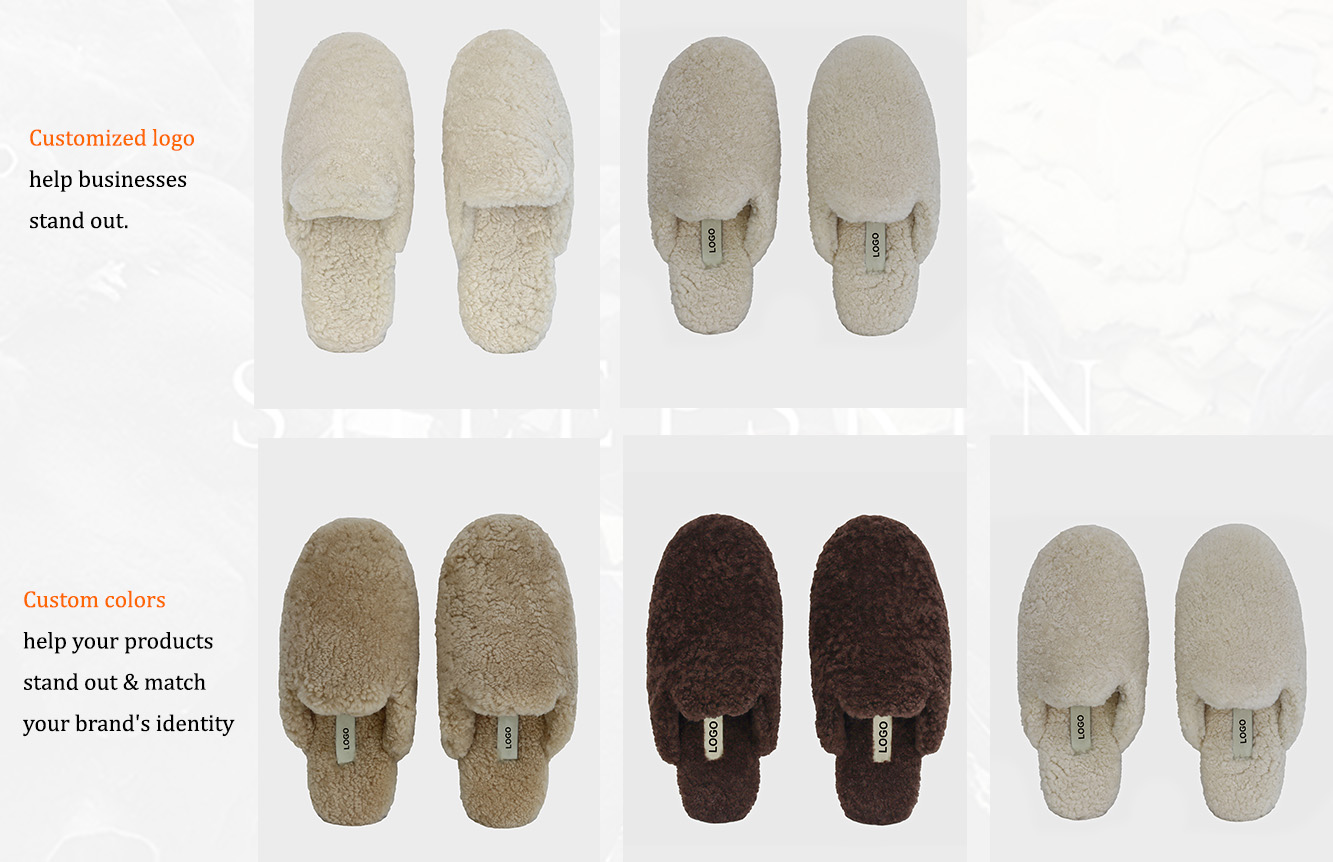
Custom colors and logos turn simple slippers into branded products. They help businesses stand out, build brand identity1, and connect emotionally with customers through design and personalization.
I started noticing how small changes made big differences. A simple logo or color shift can change how people feel about a product. That is where real value begins.
Why Do Custom Colors Matter More Than You Think?
I once worked with a client who kept choosing neutral colors. Their products looked clean, but sales stayed flat. The issue was not quality. It was lack of identity.
Custom colors help products stand out and match brand identity. They create emotional connections and improve recognition, which leads to better customer recall and higher sales potential.
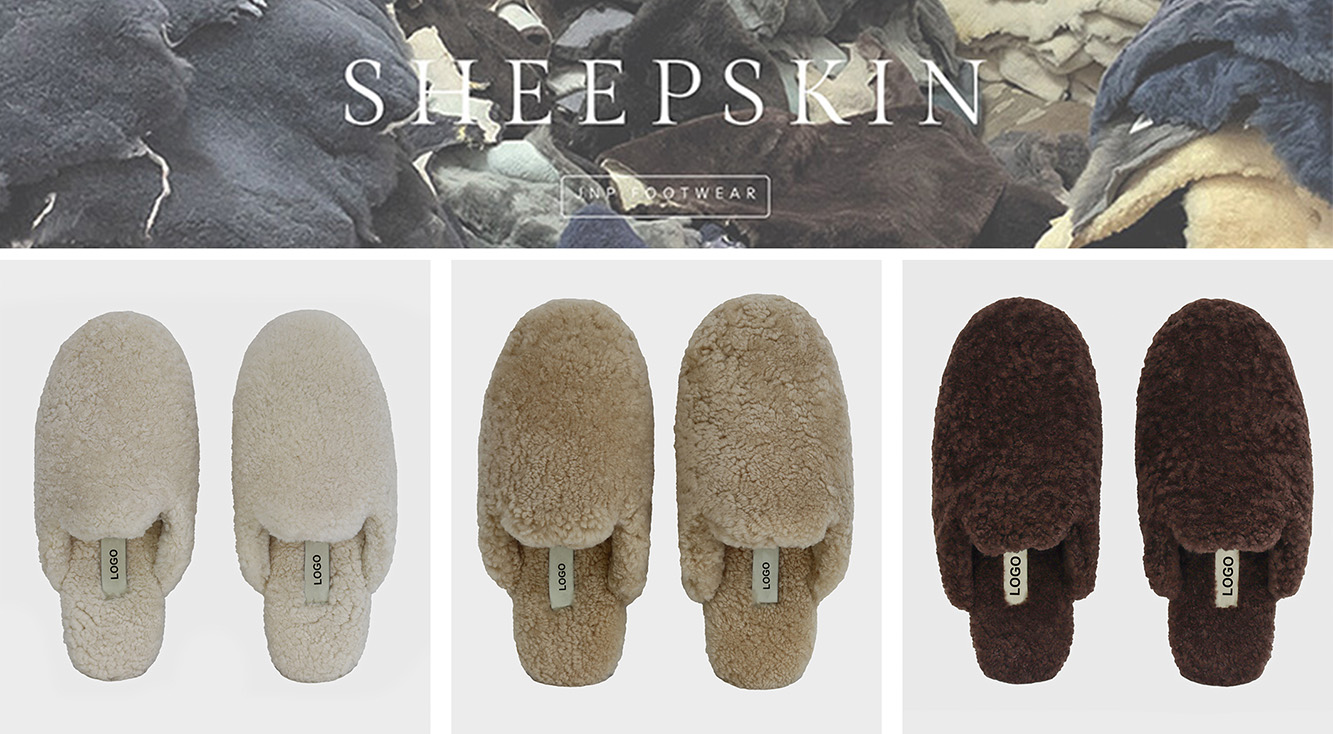
When I look deeper, color is not just about looks. It shapes perception. This is closely related to color psychology2, where different tones influence how customers feel. Different markets respond to different tones. For example, soft beige and cream tones work well in Europe and Australia. Bright colors perform better in younger markets.
I break it down like this:
| Factor | Impact of Color Choice |
|---|---|
| Brand Identity | Builds recognition instantly |
| Target Audience | Aligns with age and lifestyle |
| Market Trends | Keeps product relevant |
| Seasonal Demand | Drives repeat purchases |
I also learned that offering multiple color options increases SKU flexibility. My client Amelie often needs many variations. Color is the easiest way to expand a product line without changing structure.
From production side, we match colors using fabric dyeing or material sourcing. That depends on MOQ and material type. I always suggest starting with 2–3 core colors, then expanding based on sales data.
How Does A Custom Logo Change Product Value?
I remember a client who sold trendy slippers online. The design was good. But without a logo, customers forgot the brand. That was the real problem.
Adding a custom logo transforms slippers into branded products. It increases perceived value, supports private label branding3, and helps customers remember and trust the product.
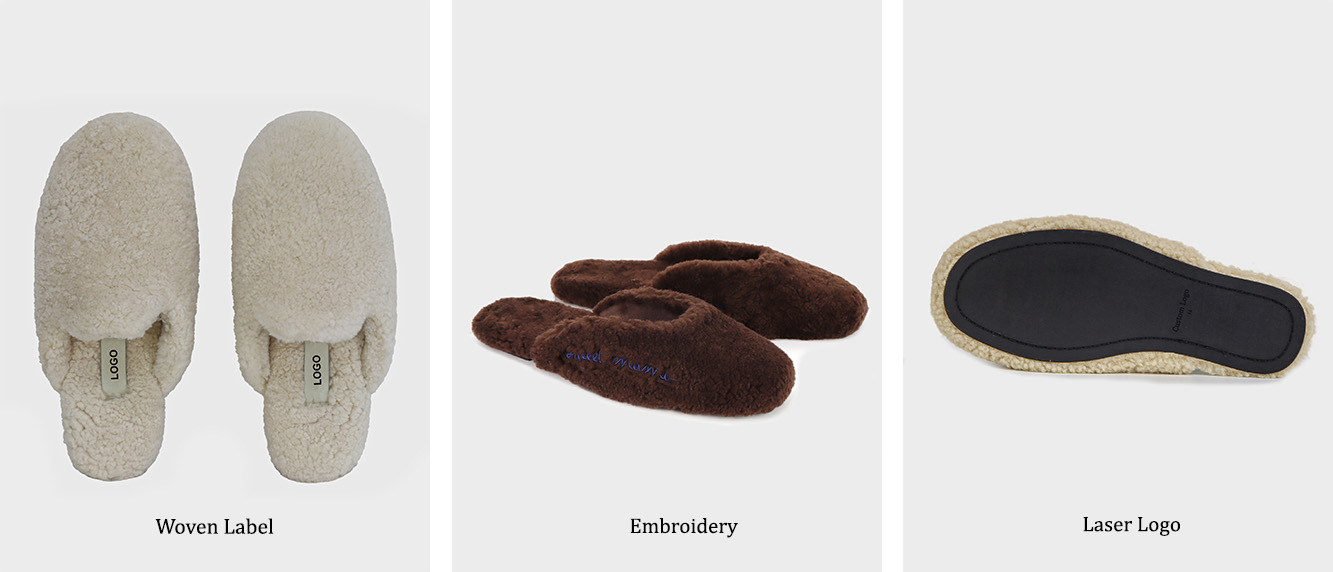
When I analyze this deeper, logo placement matters a lot. It is not just about adding a tag. It is about balance and visibility.
Here are common logo methods I work with:
| Logo Type | Best Use Case |
|---|---|
| Woven Label | Soft slippers, cozy styles |
| Embroidery | Premium look, strong branding |
| Outsole Laser Logo | Strong brand visibility and long-term use |
Each option connects to different logo application methods4, and has cost and MOQ differences. For small brands, I often suggest woven labels. They are flexible and cost-effective.
I also guide clients on placement. A visible but clean position works best. Too big looks cheap. Too hidden loses purpose.
One client from the US increased repeat customers after adding a simple side label. That small detail made the brand memorable.
Can Small Custom Changes Really Impact Sales?
Many buyers ask me this question. They think customization is expensive and risky. I used to think the same at the beginning.
Yes, small custom changes can significantly impact sales. Even minor updates like color variation or logo addition can improve product appeal, brand recall, and customer loyalty.
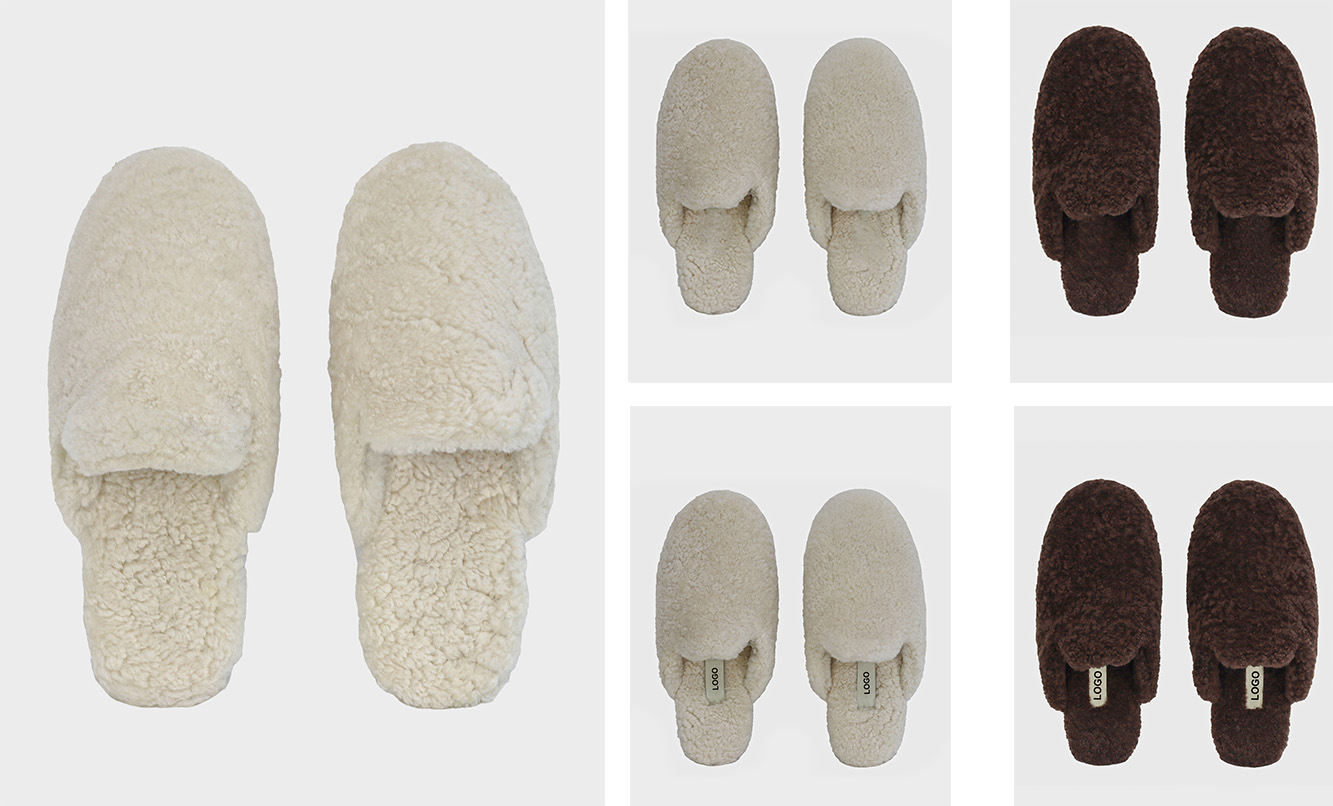
From my experience, the impact comes from product differentiation5. In wholesale markets, many products look the same. Customization breaks that pattern.
I usually explain it in three layers:
| Level | Change | Result |
|---|---|---|
| Basic | Add logo | Brand recognition |
| Medium | Change color | Visual differentiation |
| Advanced | Full customization | Unique product identity |
For small and medium brands, starting small works best. My client “Rural” began with just logo customization. Then they added new colors based on trend data. Their sales improved because products felt more “theirs”.
Also, low MOQ (Minimum Order Quantity)6 options make this easier now. We support small batch production. That reduces risk and helps testing.
From supply chain side, I coordinate factories based on complexity. Simple logo jobs go to flexible factories. Complex designs go to experienced partners. That balance keeps cost and quality stable.
What Should You Consider Before Customizing Slippers?
I often see buyers jump into customization too quickly. Then they face delays or cost issues. That is avoidable with the right planning.
Before customizing slippers, you should consider MOQ, target market, material compatibility, and branding goals. Clear planning ensures smooth production and better results.
When I guide clients, I focus on four key areas:
| Consideration | Why It Matters |
|---|---|
| MOQ | Affects cost and feasibility |
| Material | Impacts logo method |
| Target Market | Defines design direction |
| Budget | Controls customization level |
For example, wool slippers have limits on logo methods. Embroidery works better than printing. Furry slippers need careful label placement.
I also look at logistics. Custom products may take longer. So I always suggest planning at least one season ahead.
My long-term clients benefit from this approach. We align design, production, and delivery early. That avoids last-minute stress.
Conclusion
Custom colors and logos turn simple slippers into strong brand assets. Small changes create big impact when done with clear strategy and market understanding.
Footnote
-
Brand identity refers to the visual and emotional elements (such as logos, colors, and design) that distinguish a brand and make it recognizable to customers. ↩
-
Color psychology explains how different colors influence human emotions and purchasing decisions, helping brands connect with target audiences. ↩
-
Private label branding allows businesses to sell products under their own brand name, increasing control over branding and customer loyalty. ↩
-
Logo application methods include techniques like embroidery, printing, and labels, each affecting product appearance, durability, and cost. ↩
-
Product differentiation is a strategy where businesses make their products unique to stand out from competitors and attract customers. ↩
-
MOQ (Minimum Order Quantity) is the smallest number of units a supplier is willing to produce per order, impacting cost and production planning. ↩