
Many buyers want custom sheepskin boots1 but feel overwhelmed by production details. If the sole, packing, or logo is not planned well, the final product may look cheap or ship inefficiently.
To customize sheepskin boots successfully, I focus on three key elements: the right sole structure for comfort, smart packing for safe shipping, and a clear logo method for branding. These decisions directly affect product quality, cost, and brand image.
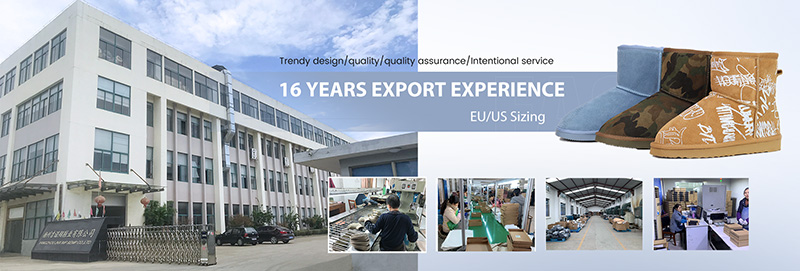
When I work with brand buyers, I often see that design ideas come first but production details come later. This order can create delays and extra costs. So I guide clients to decide the sole type, packing method, and logo placement early. These three areas shape both the product experience and the logistics process.
Which Sole Type Should You Choose for Sheepskin Boots?
Many people focus only on the sheepskin upper. They forget that the sole defines comfort, durability, and how customers use the boots.
The most common soles for sheepskin boots are EVA sole2, TPR sole3, and rubber sole4. EVA is lightweight and soft. TPR gives better grip and flexibility. Rubber provides strong traction for outdoor winter use.

Understanding Sole Materials
When I help brands develop boots, I always explain that the sole determines whether the product feels like an indoor slipper or a true outdoor winter boot.
| Sole Type | Features | Best Use |
|---|---|---|
| EVA | Lightweight, soft, flexible | Indoor slippers or casual wear |
| TPR | Durable, anti-slip, flexible | Daily outdoor walking |
| Rubber | Heavy duty, strong grip | Snow and cold environments |
I remember helping a young online brand launch their first winter boot. They wanted a soft EVA sole because the price was lower. After we discussed their customers, we changed the sole to TPR. Their audience wanted boots they could wear outside. The product quickly became one of their best sellers.
Sole thickness also changes the look of the boot. Thick soles make the style feel more like winter footwear. Thin soles make the boot look lighter and closer to indoor slippers.
Factories also need to confirm whether a sole mold already exists. If a brand requests a completely new outsole mold5 design, a mold fee may apply.
So I always advise buyers to consider the usage scenario, the target price, and the style direction before choosing the sole.
What Packing Options Work Best for Sheepskin Boots?
Packing is often ignored during product design. But it strongly affects shipping cost, protection, and brand presentation.
The most common packing methods for sheepskin boots include standard shoe box packaging6, branded gift boxes, and polybag packaging7 for bulk shipments. The right choice depends on sales channels and shipping methods.
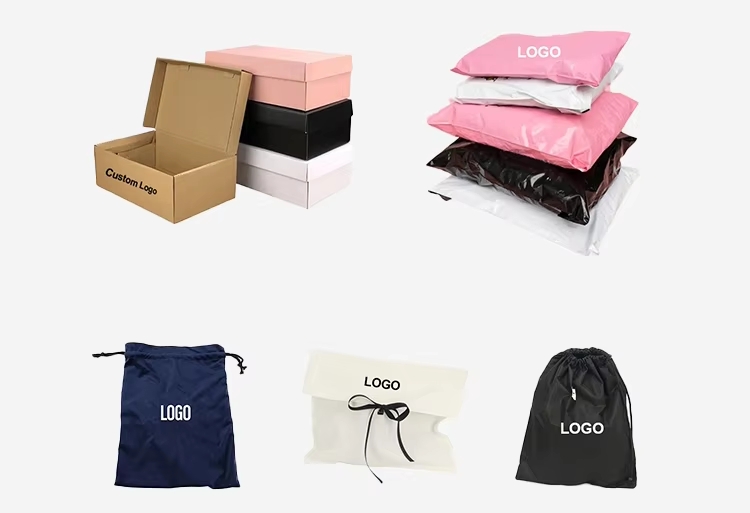
Comparing Packing Solutions
From my experience working with many brands, the packing method usually depends on how the boots will be sold.
| Packing Type | Advantages | Best For |
|---|---|---|
| Standard Shoe Box | Good protection, easy stacking | Retail and wholesale |
| Branded Gift Box | Strong brand image | Premium brands |
| Polybag Packing | Saves space and shipping cost | Bulk wholesale orders |
One distributor client from New Zealand once asked us to reduce their shipping costs. Their boots were packed in thick rigid boxes. We redesigned the box structure and reduced the size slightly. The container capacity increased and the freight cost per pair dropped.
Another client selling online wanted a stronger unboxing experience. They added a branded box with tissue paper and logo printing. This helped them create better product photos and social media content.
When designing packaging, I always consider three things: protection during shipping, container loading efficiency, and brand presentation.
Smart packing can reduce logistics cost while still protecting the boots.
How Can Logo Design Improve Brand Identity?
For many footwear brands, the logo is the most important branding detail. A simple logo placement can turn a generic boot into a recognizable product.
Logo embroidery logo8 is the most popular option for sheepskin boots because it looks premium and works well with small production quantities. Other options include woven labels9, leather patch logos10, and metal logo plates.
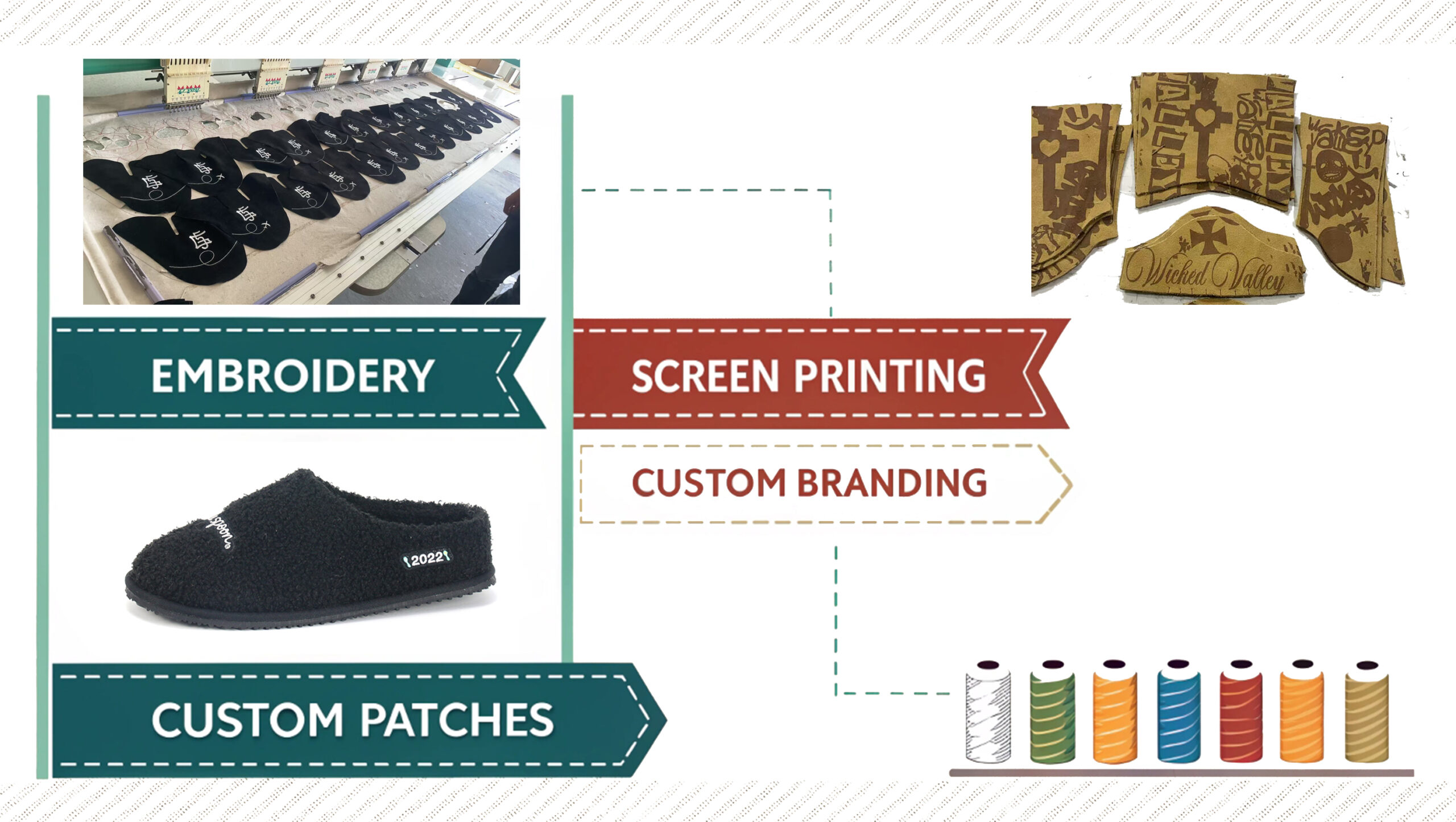
Choosing the Right Logo Method
Different branding methods create different visual effects and production costs.
| Logo Method | Benefits | Notes |
|---|---|---|
| Embroidery | Durable and premium | Most common for boots |
| Woven Label | Clear brand detail | Works well inside boots |
| Leather Patch | Natural appearance | Fits outdoor style |
| Metal Logo | Luxury look | Higher cost |
I often recommend embroidery for new brands because it balances cost and brand impact. The logo is usually placed on the outer shaft or near the heel.
One fashion brand I worked with used a small embroidered logo in a bright color. Their customers started recognizing the boots quickly on social media posts. That small detail helped build brand identity.
Logo size also matters. Large logos may look too commercial. Small and subtle logos usually feel more premium.
Before production begins, I always confirm the logo file in vector format and create embroidery samples. This step ensures the final result matches the brand design.
Branding details may seem small, but they help customers remember the product and the brand.
Conclusion
Choosing the right sole, packing solution, and logo method helps brands create successful custom sheepskin boots while controlling cost, improving logistics, and strengthening brand identity.
Footnotes
-
Readers can learn what sheepskin boots are, their natural insulation properties, and why they are popular winter footwear. This helps buyers understand the base material used in the product. ↩
-
This resource explains the characteristics of EVA soles such as lightweight cushioning and flexibility, helping readers understand why it is commonly used in slippers and casual footwear. ↩
-
This link explains Thermoplastic Rubber (TPR) soles, their anti-slip properties and flexibility, helping buyers understand why they are suitable for outdoor walking shoes. ↩
-
This resource explains why rubber soles provide strong traction and durability, which is important for winter footwear used on snow or wet surfaces. ↩
-
Readers can understand how shoe outsole molds are created in footwear manufacturing and why custom molds may require additional tooling fees. ↩
-
This resource helps readers understand common footwear packaging structures used in retail and wholesale logistics. ↩
-
This explains why polybags are used in bulk shipments and how they reduce shipping volume and cost. ↩
-
Readers can understand how embroidery logos are applied in footwear manufacturing and why they are durable and widely used for branding. ↩
-
This resource explains woven labels and why brands use them for product identification and branding. ↩
-
This link explains how leather patches are used in fashion branding and why they fit outdoor or heritage-style products. ↩