Are you struggling to find branded winter products that feel premium yet stay affordable? Many brands want cozy slippers with their logo, but factories often require high MOQ or limited customization.
Personalized faux shearling slippers with embroidered logos allow brands to create cozy, stylish products without developing a design from scratch. With flexible customization, brands can add logos, colors, and packaging while keeping costs manageable and maintaining strong brand identity.

I often see buyers searching for winter products that feel premium but are still practical for wholesale. Faux shearling slippers with embroidery logos solve this problem well. They combine comfort, branding, and scalable production. Let me walk through how brands can use them effectively.
Why Are Faux Shearling Slippers So Popular for Branding?
Many brands want winter products that customers will actually use. The problem is that many promotional products feel cheap or forgettable.
Faux shearling slippers are popular because they combine warmth, comfort, and visual appeal. Their soft texture and cozy look make them perfect for lifestyle brands, gift programs, and winter collections.
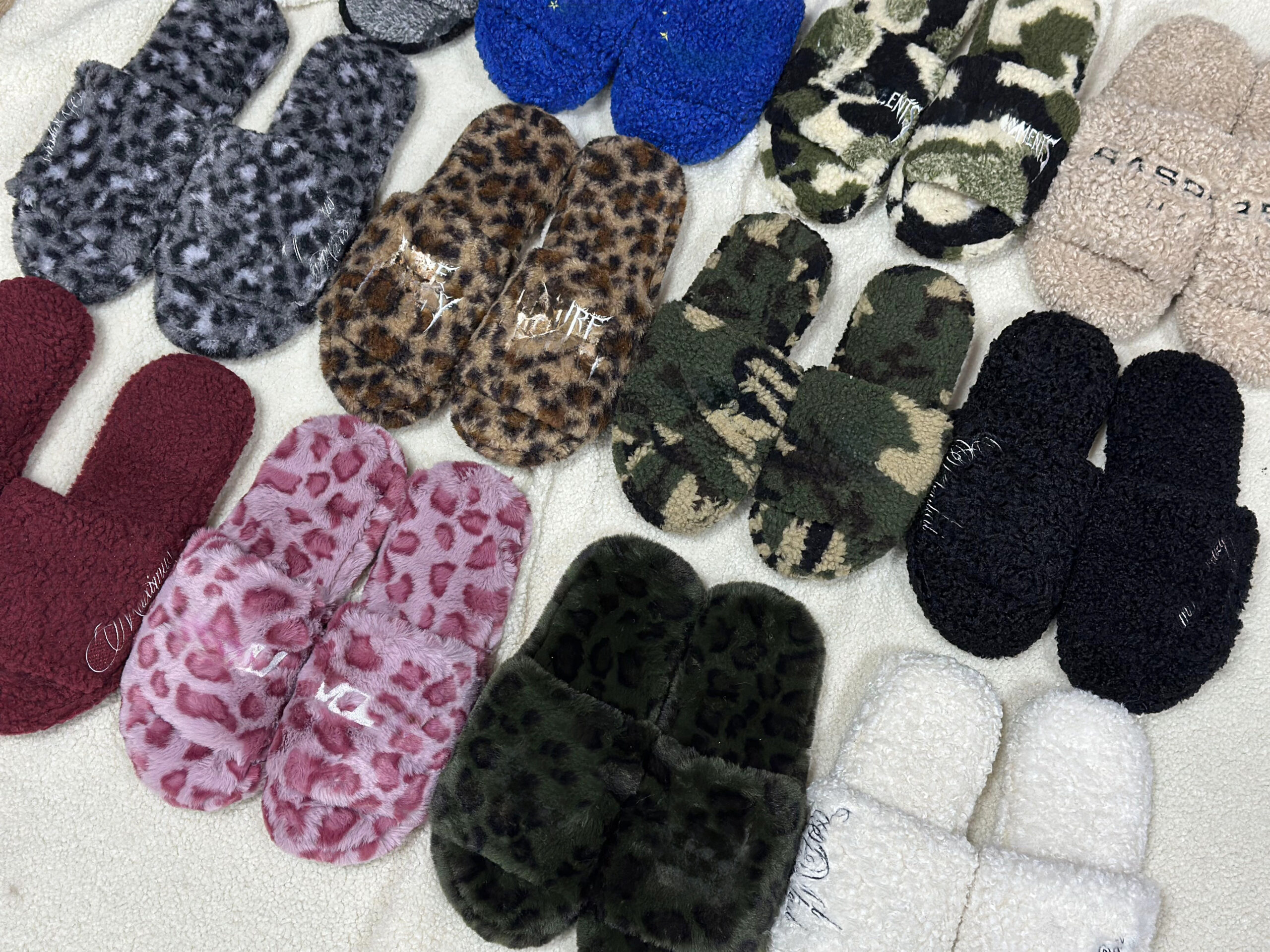
When I work with buyers, I often hear the same request: they want products that feel cozy and fashionable. Faux shearling slippers meet both needs. The material mimics real shearling but costs less and works well for mass production. You can learn more about faux shearling material1 and how it replicates the look of natural wool.
Key reasons brands choose faux shearling slippers
I usually explain the advantages to buyers in a simple way. The product is easy to sell, easy to brand, and easy to scale.
| Feature | Why It Matters for Brands |
|---|---|
| Soft faux shearling lining | Creates a premium winter feel |
| Lightweight sole | Comfortable for indoor use |
| Neutral color palettes | Easy to match with brand identity |
| Large upper surface | Perfect area for embroidery logos |
The upper part of the slipper works well for embroidery. Logos look clean and professional on the soft surface. I once helped a small lifestyle brand add a minimal logo to beige slippers. The result looked simple but very high-end.
Faux shearling also fits current consumer trends. Many customers now prefer cruelty-free materials. Compared with real wool, faux shearling vs real shearling2 shows why synthetic alternatives are becoming more popular in fashion products.
For wholesale buyers, this product also performs well across markets. I have seen strong demand from the USA, Australia, and Europe during fall and winter seasons. The slippers work as retail items, brand merchandise, or even hotel gift products.
How Does Embroidery Logo Customization Work?
Many buyers worry that custom logos will make production complicated. I understand this concern because some factories make customization slow or expensive.
Embroidery logo customization usually involves digitizing the logo, selecting thread colors, and applying the design to the slipper upper during production. This method creates a durable and professional brand appearance.
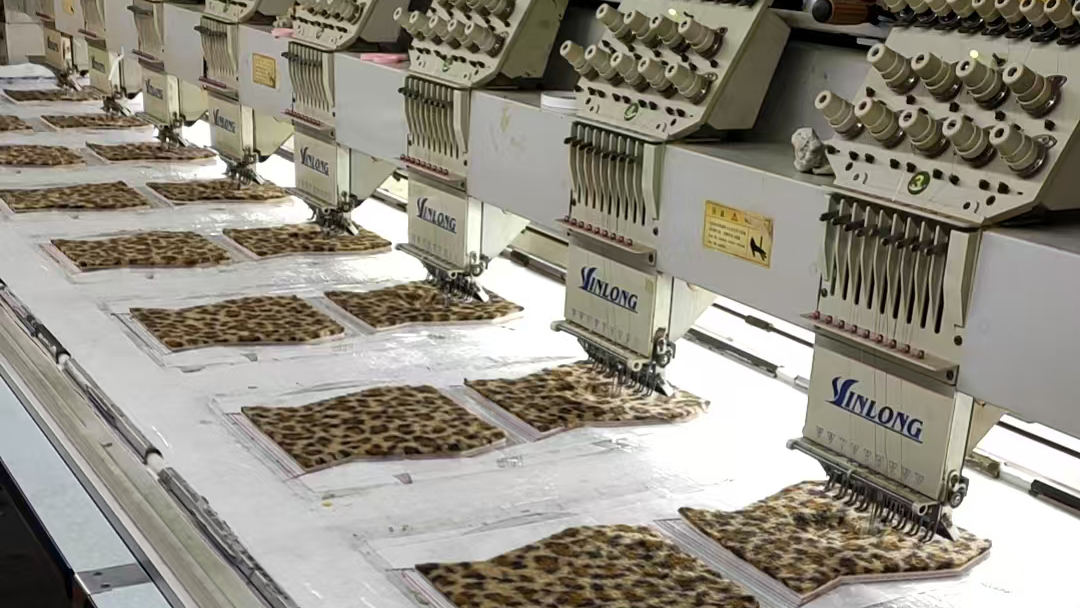
When I guide clients through the process, I break it into a few clear steps.
Typical embroidery customization process
| Step | What Happens |
|---|---|
| Logo file submission | Client sends AI, PDF, or high-resolution logo |
| Digitizing | Embroidery machine program is created |
| Sample production | A prototype slipper with logo is made |
| Client approval | Buyer confirms size, color, placement |
| Bulk production | Factory starts mass production |
The most technical step is the embroidery digitizing process3, where the artwork is converted into a format that embroidery machines can read.
Embroidery has several advantages compared with printing. The logo does not fade easily. The thread creates a textured look that feels more premium. Compared with other branding methods like printing, embroidery vs screen printing durability4 shows why embroidery is often preferred for long-lasting logos.
One designer client I worked with preferred subtle branding. She asked for a small tonal logo. We matched the thread color to the slipper fabric. The logo became visible only when viewed closely. This approach created a luxury feel without making the branding too loud.
Placement also matters. Most brands choose one of these locations:
| Placement | Visual Effect |
|---|---|
| Upper center | Strong brand visibility |
| Side upper | Subtle branding |
| Heel area | Minimalist logo placement |
From my experience, embroidery works best with simple logos. Fine details can sometimes get lost in the thread pattern. When buyers send complex artwork, we usually simplify the design slightly.
The result is a product that feels like a real branded item rather than a generic slipper.
What Custom Options Are Available for Wholesale Buyers?
Many buyers assume customization only means adding a logo. In reality, slippers can be customized in many ways.
Wholesale buyers can customize faux shearling slippers through logo embroidery, color selection, sole materials, packaging design, and sizing options. These choices help brands create unique products without designing everything from scratch.
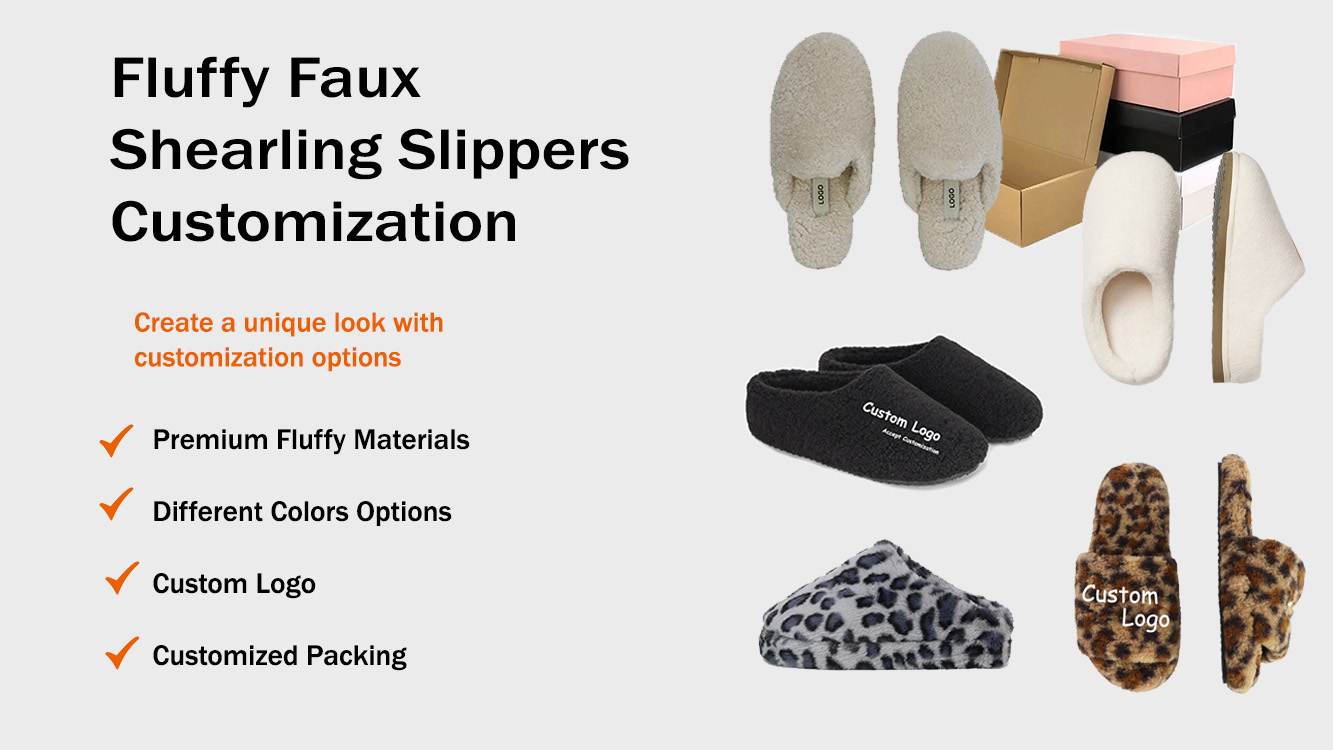
In my work with different brands, I often see buyers combine several custom features to build a complete product identity. This approach is often referred to as private label product customization5, where brands personalize products produced by manufacturers.
Common customization options
| Custom Element | Available Choices |
|---|---|
| Upper material | Faux shearling, suede fabric, fleece |
| Colors | Neutral tones or seasonal colors |
| Logo method | Embroidery, patch, woven label |
| Sole | EVA, rubber, or textile indoor sole |
| Packaging | Custom box, polybag, gift packaging |
For example, many indoor slippers use an EVA sole material6, which is lightweight and provides cushioning for comfortable home wear.
One online brand I worked with focused on trendy products for young consumers. They chose pastel-colored faux shearling slippers and added a playful embroidered logo. They also created Instagram-friendly packaging. The slippers became a strong seasonal seller.
Another distributor preferred classic wool-look slippers with minimal branding. Their focus was durability and comfort. They kept the design simple but used high-quality embroidery.
Customization also allows brands to test products with small batches. Some factories now offer lower MOQs for trending styles. This helps new brands test market demand without huge inventory risk.
For wholesale buyers, this flexibility is very valuable.
Conclusion
Personalized faux shearling slippers with embroidery logos help brands create cozy, stylish products that strengthen brand identity while keeping production flexible and cost-effective for wholesale markets.
Footnote
-
Faux shearling is a synthetic textile designed to mimic the appearance and warmth of natural shearling wool while being more affordable and cruelty-free. ↩
-
Comparing faux shearling and real shearling helps buyers understand differences in cost, ethical sourcing, durability, and manufacturing flexibility. ↩
-
Embroidery digitizing is the process of converting artwork into a digital stitch file that embroidery machines use to produce logos or patterns. ↩
-
Embroidery is often more durable than screen printing because stitched threads resist fading, peeling, and repeated washing. ↩
-
Private label product customization allows brands to sell manufacturer-produced products under their own brand name with custom logos, packaging, and design adjustments. ↩
-
EVA (ethylene-vinyl acetate) is a lightweight foam material commonly used in footwear soles for cushioning, flexibility, and shock absorption. ↩