Cold feet ruin winter days. I used to buy generic boots that looked nice but felt wrong. They never fit my style or comfort needs.
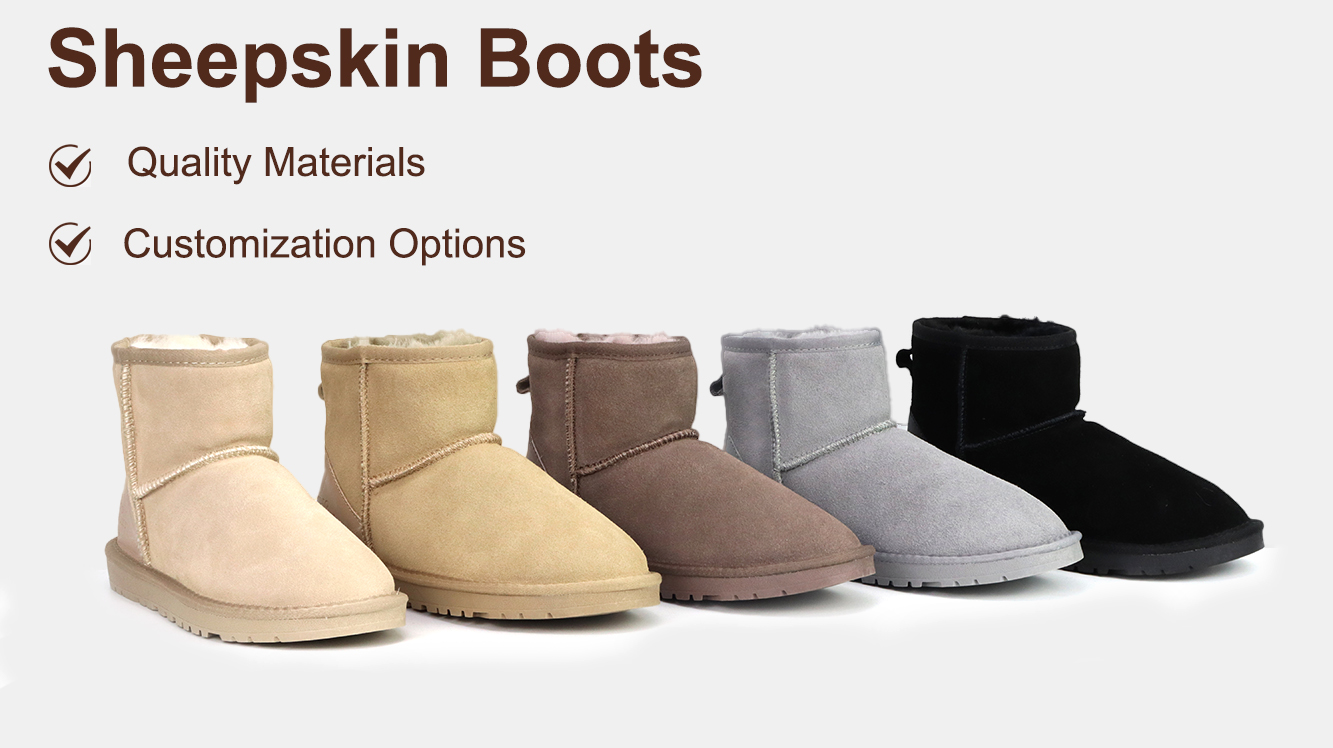
Custom sheepskin1 boots give you warmth, fit, and personal style in one product. You can choose materials, colors, soles, and branding to match your exact needs and market demand.
I learned this after years of trial and error. I saw how the right customization changed both comfort and business results. So I kept digging deeper.
Why Choose Custom Sheepskin Boots Over Standard Options?
Standard boots often fail. They do not fit well. They lack identity. I felt frustrated when I saw customers return products again and again.
Custom sheepskin boots solve these issues. They offer tailored fit, better material choices, and strong brand identity, which improves user satisfaction and reduces returns.
When I work with clients, I always start with the basics. I break the decision into clear parts. This helps avoid confusion and saves time later.
Key Differences
| Feature | Standard Boots | Custom Sheepskin Boots |
|---|---|---|
| Fit | Fixed sizing | Adjustable design |
| Material | Limited | Wide selection |
| Branding | None or generic | Fully customizable |
| Comfort | Average | High |
| Market Position | Low differentiation | Strong differentiation |
I noticed that many brands struggle because they follow trends blindly. They copy popular designs. This creates heavy competition. Customization gives a way out. It builds uniqueness. It also helps brands respond faster to niche demands.
From my experience, even small changes matter. A softer lining. A different sole. A custom logo. These small details create a better product story. Customers feel the difference. They are more likely to buy again.
What Can You Customize in Sheepskin Boots?
Many buyers think customization is limited. I used to think the same. I believed it was only about color or logo.
In reality, you can customize almost every part of sheepskin boots, including upper material, lining, outsole, shape, colors, and branding elements.
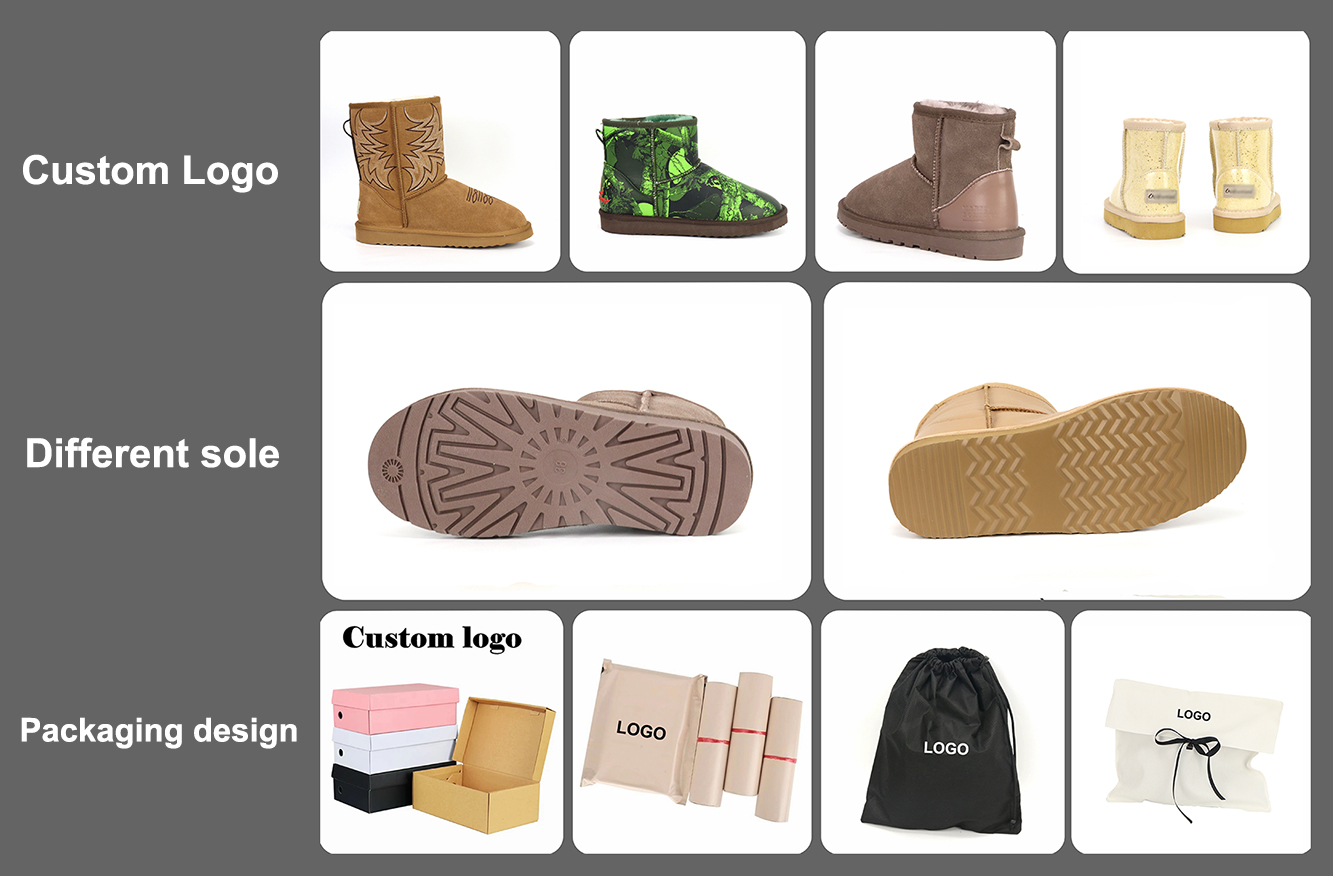
When I guide clients, I break customization into layers. This makes the process easier to manage.
Customization Breakdown
| Component | Options |
|---|---|
| Upper Material | Suede, leather, eco-friendly fabrics |
| Lining | Natural wool, synthetic wool |
| Sole | EVA2, rubber, TPR |
| Colors | Pantone matching3 |
| Logo | Embossed, printed, stitched |
| Packaging | Custom boxes, labels |
I always tell my clients to think about their target market first. A young brand may prefer bold colors and lightweight soles. A traditional market may prefer natural tones and thick wool.
I also learned that eco-friendly materials4 are becoming more important. Many buyers now ask for renewable materials. This is not just a trend. It is becoming a standard requirement in many regions.
Another key point is flexibility. Some clients need small batches. Others need large production. A good supplier must handle both. This is where experience matters. I have seen projects fail due to poor coordination between design and production.
How Does the Customization Process Work?
The process can feel complex. I remember my first custom order. It was confusing and slow. I made many mistakes.
The customization process usually follows clear steps: design confirmation, material selection, sampling, production, and quality control.

Over time, I developed a structured workflow. This helps reduce errors and improve speed.
Step-by-Step Process
| Step | Description |
|---|---|
| Design | العميل provides concept or reference |
| Material Selection | Choose fabrics and components |
| Sampling | Create prototype |
| Revision | Adjust based on feedback |
| Production | Mass manufacturing |
| Quality Check | Ensure standards |
| Shipping | Delivery to client |
I always emphasize communication. Many delays happen due to unclear details. For example, logo size or color mismatch can cause big problems.
From my experience, a good supplier acts like a project manager. They track every step. They confirm details multiple times. This avoids costly mistakes.
Understanding the footwear manufacturing process5 can also help buyers make better decisions and avoid unnecessary delays.
How to Choose the Right Supplier for Custom Sheepskin Boots?
Choosing the wrong supplier can ruin everything. I learned this the hard way. Poor quality and delays can damage a brand.
A good supplier should offer strong customization ability, stable factory partnerships, quality control, and flexible order quantities.
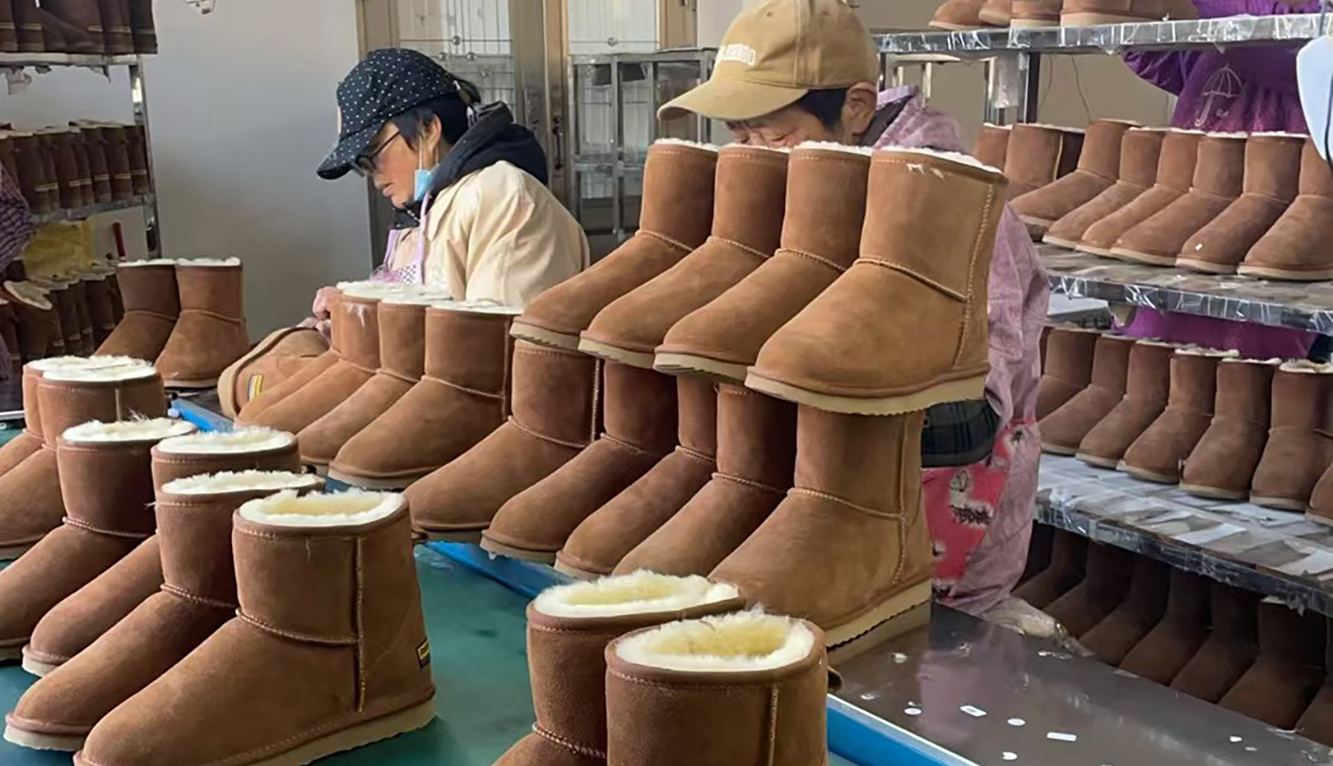
I always evaluate suppliers based on real experience, not just promises.
Supplier Evaluation Criteria
| Factor | What to Check |
|---|---|
| Experience | Years in footwear industry |
| Factory Network | Number and type of factories |
| Custom Ability | Range of customization |
| MOQ | Flexibility for small orders |
| Communication | Response speed and clarity |
| Compliance | Material and factory certifications |
I also pay attention to how suppliers handle problems. Issues always happen. What matters is how they respond.
If you're unsure where to start, learning how to choose a reliable supplier6 can significantly reduce sourcing risks.
From my work, I saw that long-term partnerships bring the best results. Factories that work together for years understand each other better. This improves consistency and efficiency.
Another key factor is organization. Complex orders need strong coordination. Without it, errors multiply. I always prefer suppliers who can manage details well.
Conclusion
Custom sheepskin boots offer better comfort, branding, and flexibility. I believe the right customization and supplier choice can turn a simple product into a strong market advantage.
Footnote
-
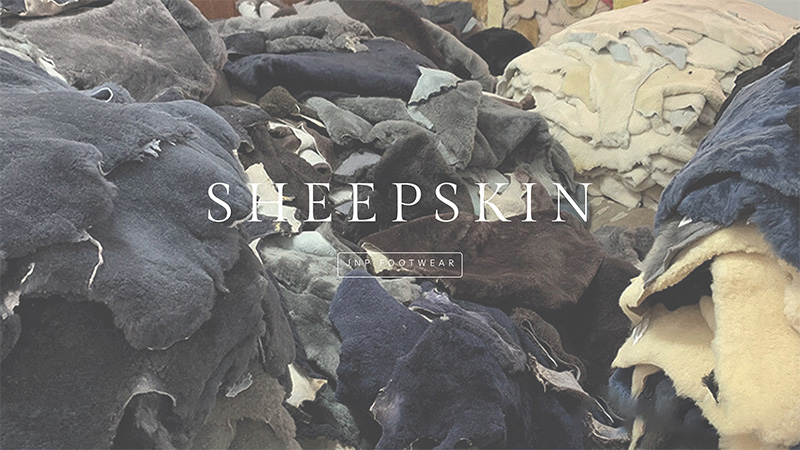
Sheepskin is valued for its natural insulation, breathability, and moisture-wicking properties, making it ideal for winter footwear. ↩
-
EVA, rubber, and TPR are common outsole materials, each offering different levels of flexibility, durability, and weight. ↩
-
Pantone matching is a standardized color system that ensures consistency across materials and production batches. ↩
-
Eco-friendly materials help reduce environmental impact and meet growing global sustainability standards. ↩
-
Understanding the footwear manufacturing process helps buyers manage timelines, costs, and quality expectations. ↩
-
Knowing how to evaluate suppliers helps reduce risks, ensure product quality, and build long-term partnerships.