
Finding the right size for fuzzy slippers1 can feel tricky, especially since they are soft and cozy but sometimes run small or large.
To choose the right size for fuzzy slippers, always measure your foot length2, check the brand’s size chart3, and consider whether you’ll wear them barefoot or with socks.
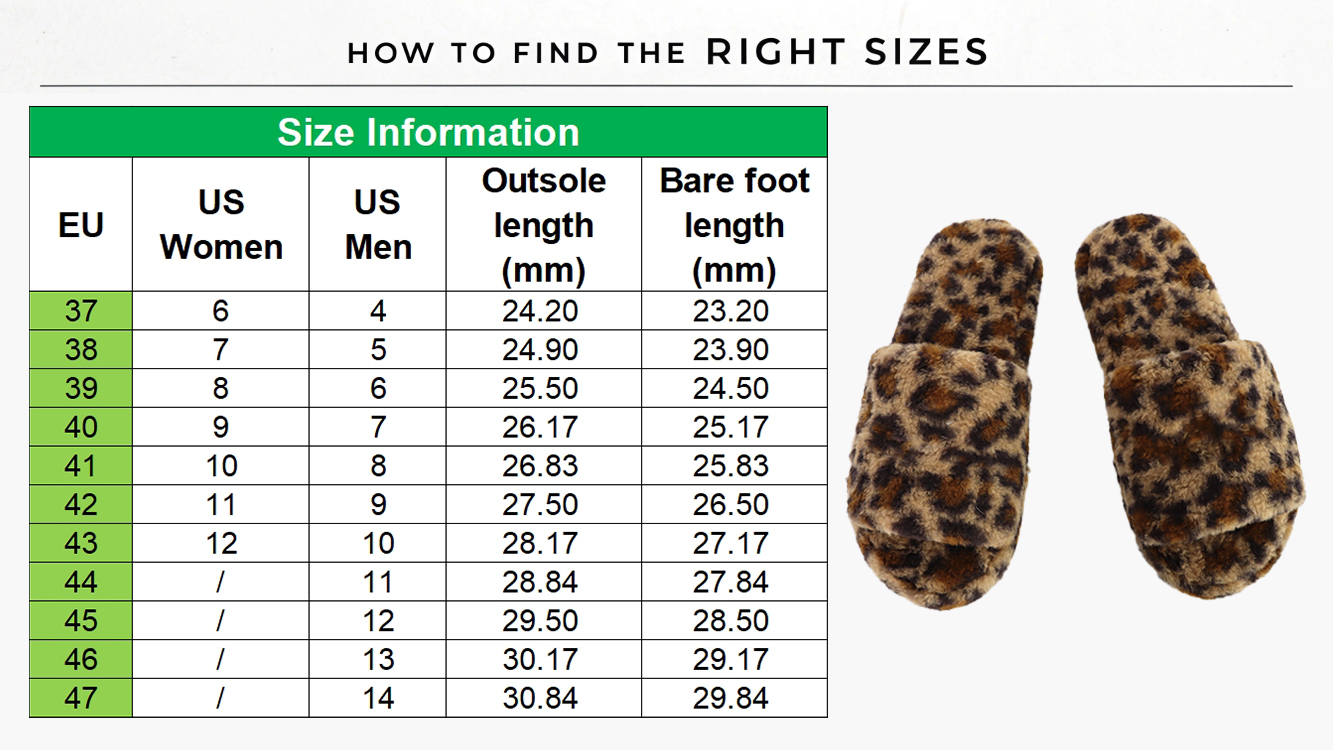
Many buyers make mistakes when picking slipper sizes. Some go one size bigger thinking of extra comfort, while others underestimate the fluff and end up with a tight fit. I learned this the hard way when I ordered slippers online and they felt like walking on clouds but squeezed my toes. To save you the same mistake, let’s break down the sizing step by step.
Should I size up or down for fuzzy slippers?
Sometimes fuzzy slippers feel tight at first, which confuses buyers.
If you’re between sizes, choose one size up4 for fuzzy slippers, since the fluffy lining takes up space and slippers should not squeeze your toes.
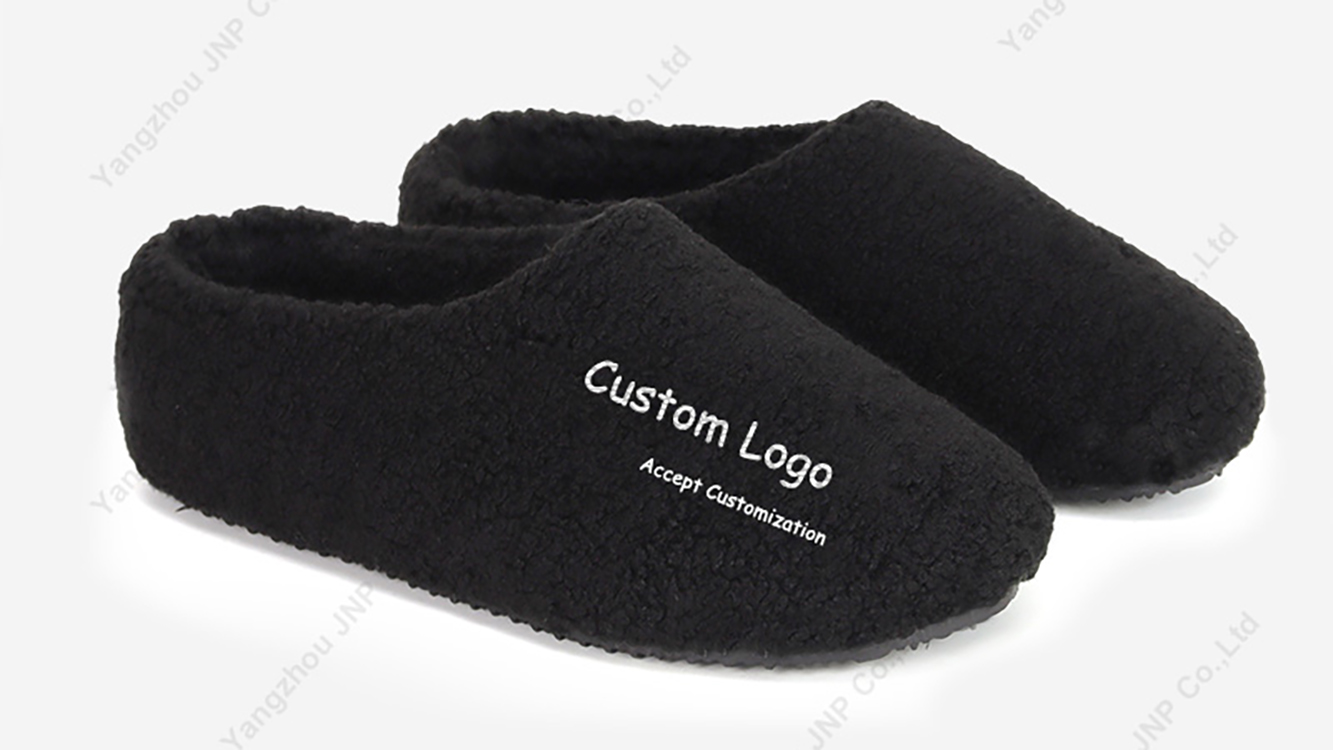
When I first ordered fuzzy slippers for winter, I thought my regular shoe size would work. But the fluffy lining made them snug, especially with socks. Going up half or one size gave me more comfort and room for movement. Here’s how to think about it:
Key points to decide:
| Situation | Best Choice |
|---|---|
| Barefoot use only | True size |
| With thick socks | Size up |
| Narrow feet | True size or half size down |
| Wide feet | Size up |
So, think about your daily habits before picking your size.
How do I measure my foot for slippers?
People often rely only on their normal shoe size, which can lead to mistakes.
To measure your foot for slippers2, place your heel against a wall on a piece of paper, mark your longest toe, and measure the length in centimeters.
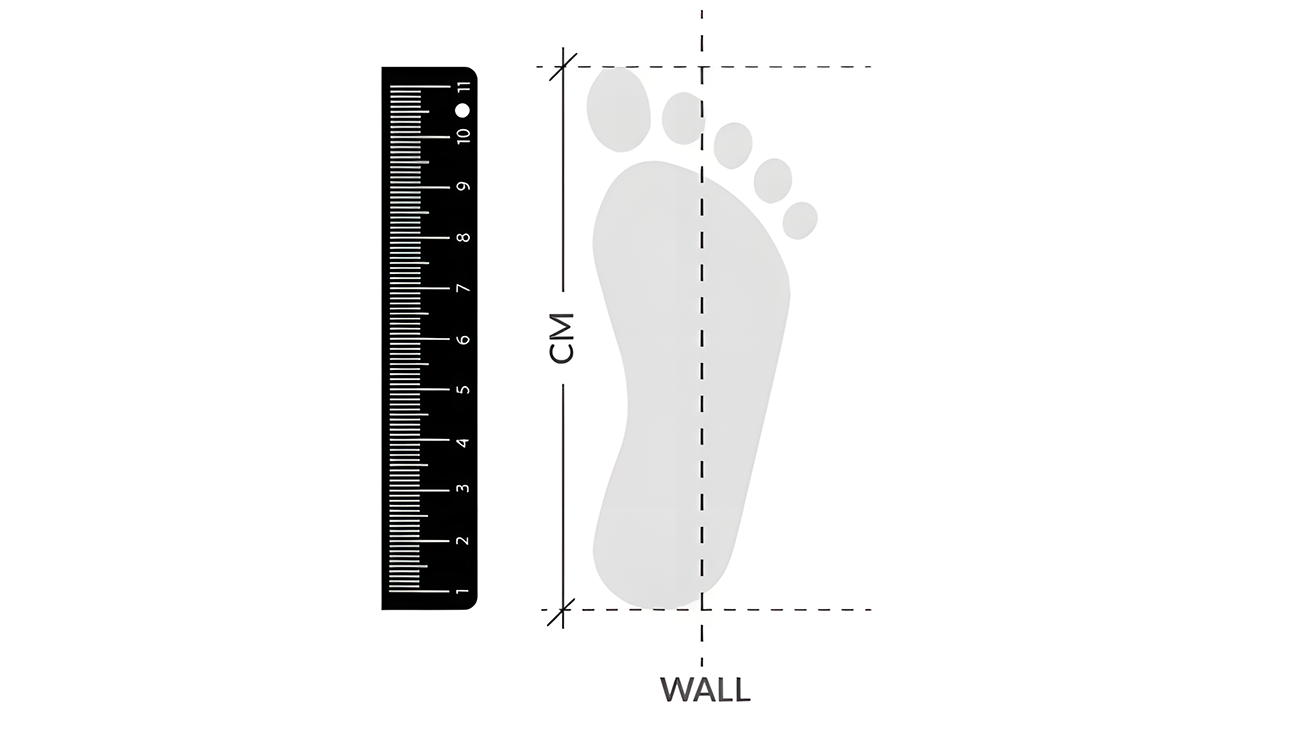
I once had a customer who always ordered based on “I’m usually a size 38.” But different factories have slight differences. Measuring once gave her more accurate results. When you have your measurement, check it against the brand’s size chart. For wholesale buyers like my clients, I always recommend asking for the inner sole length5 from the supplier. That way, the fit matches expectations, especially when ordering large batches.
Foot measuring tips:
- Measure both feet, pick the longer one.
- Measure in the evening when feet are slightly larger.
- Add 0.5–1 cm to your measurement for comfort.
This method saves a lot of time and reduces returns.
Do slipper sizes vary between brands?
It can be confusing when slippers of the same size feel different across brands.
Yes, slipper sizes vary between brands6, because factories use different molds, materials, and design structures. Always check the size chart before ordering.
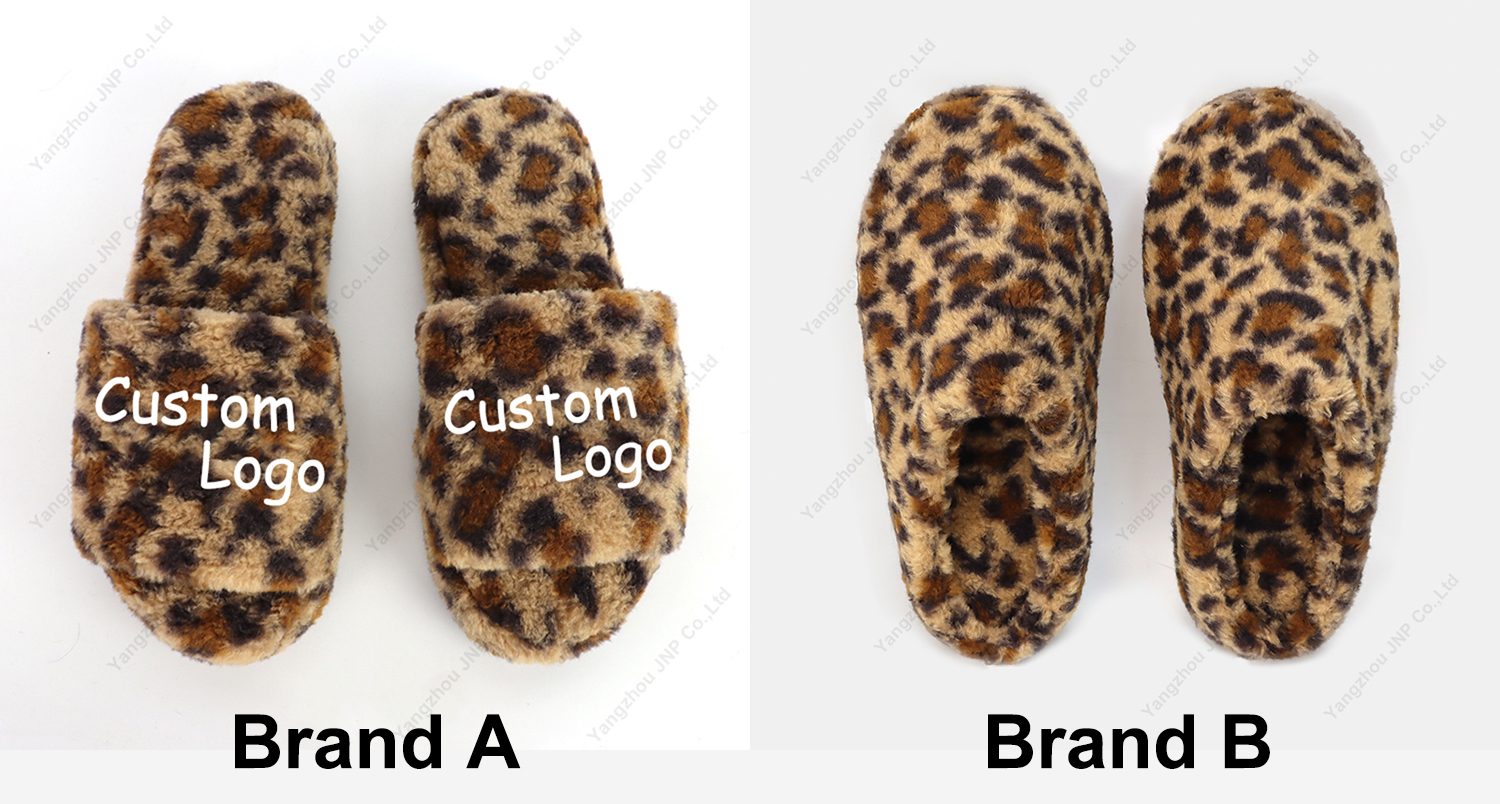
In my experience working with different factories, one size 40 slipper could measure 25.5 cm inside, while another might be 26 cm. That small difference makes a big change in comfort. Some brands also design their slippers tighter for a “snug fit,” while others give more space. Wholesale buyers often request custom molds to ensure consistency. For personal buyers, I suggest checking customer reviews7, since many customers mention if a slipper runs small or large.
Why sizes differ:
| Factor | Effect |
|---|---|
| Mold design | Changes inner length |
| Material thickness | Fluff takes space |
| Target market | Asian sizes may differ from US/EU |
| Factory standard | Slight production variation |
Knowing this saves you frustration when switching brands.
Conclusion
Choosing fuzzy slippers is simple: measure your feet, check the chart, and consider socks and brand differences for the best fit.
Footnotes
-
Fuzzy slippers are a type of indoor footwear designed for warmth and comfort, often lined with plush or faux fur. ↩
-
Measuring your foot length correctly ensures that you choose the most accurate slipper size, avoiding returns and discomfort. ↩ ↩
-
Brand size charts help you match your foot length to the correct slipper size, since sizing standards vary across manufacturers. ↩
-
Sizing up gives extra room for socks and accommodates the fluffy lining, ensuring slippers don’t feel too tight. ↩
-
Knowing the inner sole length helps buyers—especially wholesalers—match their expected fit across large orders. ↩
-
Sizes vary by brand due to molds, materials, and production standards, so double-checking prevents fit issues. ↩
-
Customer reviews provide real feedback about whether a slipper runs small, large, or true to size, guiding smarter purchases. ↩