Today's retail market is crowded, making it harder than ever to grab attention and win customer loyalty.
Custom furry slippers1 boost retail success by offering unique styles2, low MOQs3, and branding opportunities4, helping retailers capture trending markets and build stronger brand recognition.

In my experience running Yangzhou JNP Imp. & Exp. Co., Ltd., I’ve seen how fast-changing trends5 create both opportunities and challenges. Custom furry slippers1 are a simple product that solves real problems for retailers: how to stand out, drive impulse sales, and build a loyal customer base. Let’s explore why they work—and how you can use them too.
Why Are Customizable Slippers a Game-Changer for Brand Identity?
Trendy products fade fast, but building brand identity6 takes time. Retailers need products that tell their story.
Customizable slippers7 give retailers a blank canvas to showcase their brand style8, logo, and values, helping them connect emotionally with their customers.
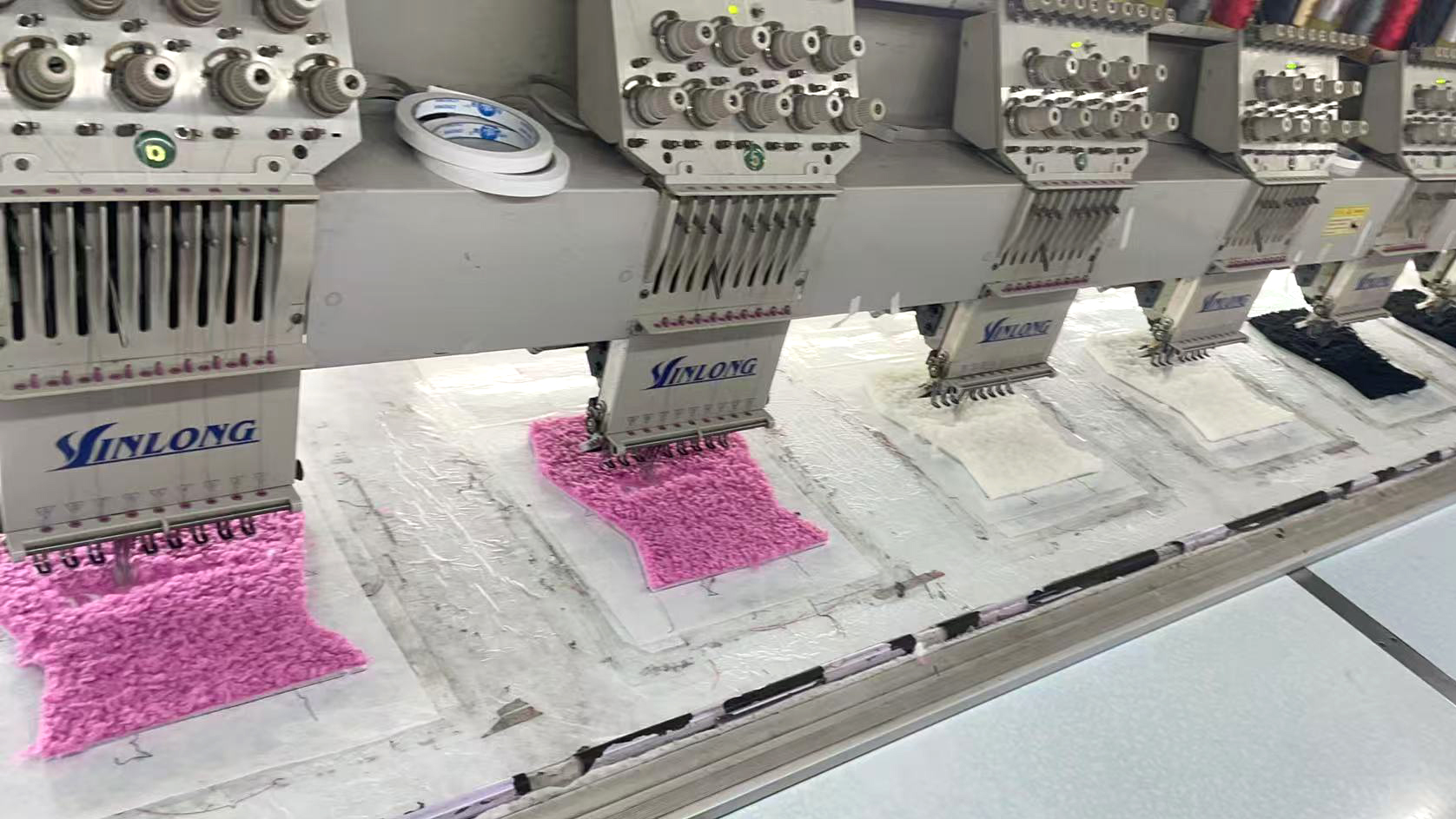
Dive deeper: How exactly do custom slippers enhance a brand’s identity?
I work with both luxury brands9 and small trendy retailers10. They all care about the same thing—telling their story. Custom furry slippers1 help them do that in three key ways:
| Brand Strategy | How Custom Slippers Help | Example |
|---|---|---|
| Visual Identity6 | Add logos, brand colors, or unique designs | A US fashion brand uses pastel colors + logo |
| Product Storytelling | Express brand personality through quirky styles | A youth-focused brand creates animal designs |
| Customer Loyalty Programs | Limited-edition designs for VIP customers | Holiday-themed slippers for members-only offers |
Slippers11 are simple, but they make your brand feel present in your customer’s home. Every step they take reminds them of your brand’s comfort and creativity.
Can Small Order Customization Really Work for Retailers?
Retailers often struggle to find suppliers12 willing to do small batch production3. Most factories want big orders.
Yes, small order customization3 works, especially for retailers testing new trends. Our low MOQs and flexible production help brands quickly bring ideas to market.

Dive deeper: Why do small batch custom orders help retailers grow faster?
I’ve worked with trendy online brands10 who order only 100–300 pairs of a new design. If it sells out, they reorder fast. If it flops, they switch styles. Here’s why small MOQs3 matter:
| Challenge for Retailers | Small Batch Customization Solves It |
|---|---|
| Fear of unsold inventory | Order just enough to test the market |
| Fast-changing trends5 | Launch new styles every season or holiday |
| Budget limits | Invest small to try new designs without big risks |
| Brand experiments | Test new logos or colors without a full rebrand |
This is how new brands grow fast online. They learn by doing, and small batch slippers3 help them move at the speed of social media trends.
How Do Custom Slippers Help Retailers Stay on Top of Fashion Trends?
Trends5 change overnight. Retailers who can’t react quickly get left behind.
Custom furry slippers1 follow seasonal and viral trends, letting retailers offer fresh designs their customers love—on time and in style.

Dive deeper: How do we help retailers capture trends on time?
Our product development process13 follows fashion and homeware trends14 across the USA, Europe, and Asia. Here’s how we help brands keep up:
| Step | What We Do for Retailers |
|---|---|
| Trend Spotting15 | Track colors, themes, and shapes trending online |
| Quick Sampling | Produce samples within 1–2 weeks for testing |
| Flexible Factories | Allocate orders to factories specializing in each style |
| Fast Production | Complete small batch production quickly |
| Seasonal Launch Support | Align new launches with holidays and gifting seasons |
This process works. Our customers launch Valentine’s Day slippers16, back-to-school collections, and even TikTok-inspired17 animal shapes—all on schedule. Trends5 don’t wait, and neither do we.
Why Should Retailers Choose Eco-Friendly Custom Slippers?
Sustainability18 is no longer optional. Customers expect it, and brands that ignore it fall behind.
Eco-friendly custom slippers19 use renewable materials, helping retailers meet sustainability goals while still offering stylish, comfortable products.

Dive deeper: What makes our custom slippers eco-friendly?
Many of our partner brands, especially in the US and Europe, prioritize sustainability18. Here’s how we help them:
| Eco-Friendly Feature | What It Means for Retailers |
|---|---|
| Renewable Materials20 | Use wool, recycled fabrics, and bio-based soles |
| Certified Factories21 | Partner with audited factories with eco-reports |
| Compliance Testing22 | Pass EU and US environmental and safety standards |
| Customizable Packaging23 | Offer recycled, minimal packaging |
For one of my US designer brand9 clients, we helped them launch a recycled wool slipper line. It matched their brand values and became a top-seller in their eco-friendly winter collection.
Conclusion
Custom furry slippers1 help retailers stand out with branded designs, follow trends quickly, and meet eco-friendly goals—all while keeping their customers happy.
Footnotes
-
Custom furry slippers are footwear products designed with soft, furry materials, customizable for branding and fashion trends. ↩ ↩ ↩ ↩ ↩
-
Unique styles help retailers differentiate their products from competitors in a crowded market. ↩
-
Low MOQs (Minimum Order Quantities) allow retailers to test the market without over-investing in inventory. ↩ ↩ ↩ ↩ ↩
-
Branding opportunities enable companies to add their logo and colors, enhancing brand recognition. ↩
-
Fast-changing trends refer to the rapid evolution of consumer preferences, especially in fashion and lifestyle sectors. ↩ ↩ ↩ ↩
-
Brand identity represents the visual and emotional attributes that define a company and make it recognizable to consumers. ↩ ↩
-
Customizable slippers are products that can be tailored with logos, colors, and styles unique to the brand. ↩
-
Brand style refers to the consistent visual elements (such as colors and typography) that represent a brand's personality. ↩
-
Luxury brands are high-end companies offering premium products with exclusive designs and materials. ↩ ↩
-
Small trendy retailers are independent stores or e-commerce brands targeting niche or youth markets with fast fashion products. ↩ ↩
-
Slippers are comfortable, casual footwear typically worn indoors. ↩
-
Suppliers are manufacturers or distributors who provide retailers with products for resale. ↩
-
Product development process is the series of steps from product design to manufacturing and market launch. ↩
-
Fashion and homeware trends indicate what is popular in clothing, accessories, and household items at a given time. ↩
-
Trend spotting involves tracking emerging consumer interests and aesthetics through social media, trade shows, and reports. ↩
-
Valentine’s Day slippers are themed footwear designed specifically for the holiday market. ↩
-
TikTok-inspired designs refer to products that reflect popular styles and aesthetics trending on the TikTok platform. ↩
-
Sustainability refers to practices that reduce environmental impact and promote ethical sourcing and production. ↩ ↩
-
Eco-friendly custom slippers are designed to minimize environmental footprint using sustainable materials and processes. ↩
-
Renewable materials such as wool and recycled fibers reduce dependency on virgin synthetic inputs. ↩
-
Certified factories have passed audits confirming compliance with ethical and environmental standards. ↩
-
Compliance testing ensures products meet safety and environmental standards in target markets like the EU and US. ↩
-
Customizable packaging uses recycled or minimal materials, reducing environmental waste. ↩